Budgeting, emergency fund, strategic debt, insurance protection, and long-term investing for wealth.
You want a simple roadmap that works in real life. The 5 foundations in personal finance give you that map. I’ve coached people through messy budgets, high-interest balances, and shaky savings. I’ve seen what sticks. This guide breaks down the 5 foundations in personal finance with clear steps, real examples, and tools you can use today.

The 1st Foundation: Budget and Cash Flow Mastery
A budget is your money GPS. It tells every dollar where to go before it disappears. Of the 5 foundations in personal finance, this one sets the tone for all the others.
What works best is simple:
- Track last month’s spending to set a baseline.
- Use a zero-based or 50/30/20 plan. Pick one and stick to it.
- Automate bills, savings, and debt payments.
- Review weekly. Adjust fast when life changes.
Helpful paths:
- Zero-based: Income minus expenses equals zero. Every dollar has a job.
- 50/30/20: 50% needs, 30% wants, 20% saving and debt.
- Rule of thumb: If your wants grow too big, cap them and bump savings.
Personal note: In my first job, I used a 50/30/20 plan and a free app. I found $180 in monthly leaks. Coffee, fees, and unused subscriptions. I redeployed that to savings and hit my first $1,000 fund in 90 days.
Quick tips:
- Pay yourself first. Automate savings on payday.
- Keep a tiny “fun” line. Budgets fail when they feel like a diet.
- Use alerts for low balances or large charges.
The 2nd Foundation: Build a Right-Sized Emergency Fund
Emergencies are not a matter of if, but when. A cash buffer keeps surprise bills from becoming debt. It is the shock absorber of the 5 foundations in personal finance.
Targets to aim for:
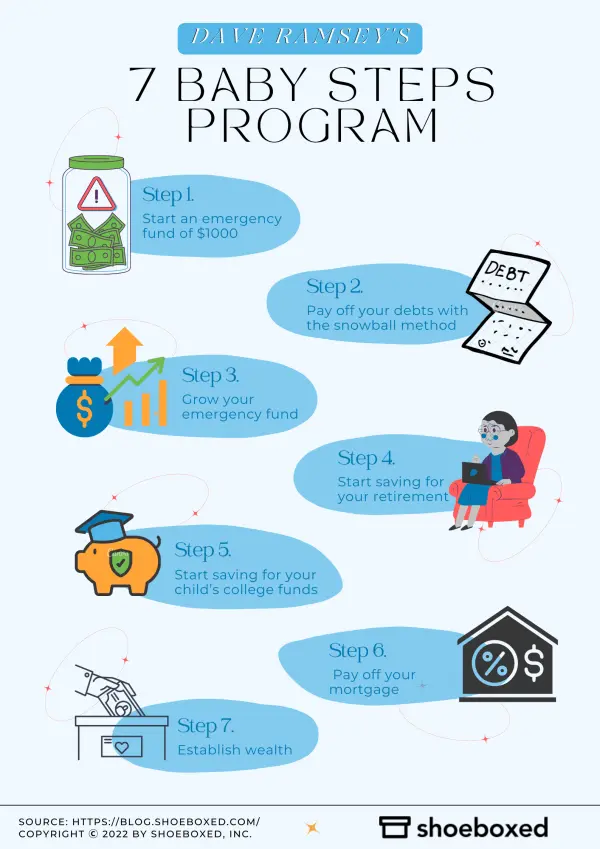
- Starter fund: $1,000 to handle small surprises fast.
- Core fund: 3 months of expenses if your job is stable.
- Extended fund: 6 to 12 months if income is variable.
Where to keep it:
- High-yield savings. FDIC or NCUA insured when possible.
- Separate from daily checking to avoid “accidental” spending.
Refill it with intent:
- Send windfalls and tax refunds to your fund first.
- After using it, rebuild it right away.
Evidence and context:
- National surveys show many adults would struggle to cover a $400 surprise bill.
- A dedicated emergency fund lowers money stress and reduces credit card reliance.
Personal note: My car repair once wiped out half my fund. I paused extra investing for two months and refilled it. That one move kept interest charges off my card.

The 3rd Foundation: Debt Strategy and Credit Health
Debt can be a tool or a trap. This part of the 5 foundations in personal finance is about lowering interest and raising your credit score.
Pick a payoff plan:
- Avalanche: Pay highest interest first. Saves the most money.
- Snowball: Pay the smallest balance first. Builds quick wins.
Do this right now:
- List every debt with balance, rate, and minimum.
- Automate all minimums. Focus extra cash on one target debt.
- When a debt is gone, roll that payment to the next one.
Protect your credit:
- Pay on time. Payment history matters most.
- Keep credit use under 30%, and under 10% if you can.
- Do not close old accounts without a reason. Age of credit helps.
Reduce future debt:
- Build your fund before big buys.
- Shop rates and fees. Use prequalification when possible.
- Avoid store cards unless benefits are clear and you pay in full.
Personal note: I once chose avalanche for a 22% store card. That fast move saved hundreds in interest and boosted my confidence to tackle the rest.
The 4th Foundation: Insurance and Risk Protection
You work hard to build your plan. Insurance protects it. This is the safety net part of the 5 foundations in personal finance.
Cover the big risks first:
- Health insurance to avoid large medical debt.
- Term life insurance if anyone depends on your income.
- Disability insurance. Your income is your biggest asset.
- Auto and homeowners or renters insurance for common losses.
- Umbrella insurance for extra liability coverage if you have assets.
Smart moves:
- Choose term life over whole life in most cases. It is cheaper and clear.
- Set deductibles you can handle. Match them to your emergency fund size.
- Review coverage once a year or after life changes.
Personal note: A client added disability coverage and later faced a sudden injury. That one policy saved their plan. Without it, savings would have vanished.

The 5th Foundation: Investing for the Future
Investing is how your money works while you sleep. This last of the 5 foundations in personal finance turns time and compounding into wealth.
Start simple:
- Use low-cost index funds for broad market exposure.
- Focus on long-term goals. Avoid timing the market.
- Automate monthly contributions.
Order of operations:
- Get the employer match in your 401(k). It is free money.
- Build your emergency fund.
- Pay high-interest debt.
- Max your IRA or HSA if eligible.
- Increase 401(k) to hit your goal rate.
How much to invest:
- New saver: Start at 10%. Increase 1% every quarter.
- Solid path: 15% of income for retirement is common.
- Catch-up: Aim for 20% or more if you started late.
Helpful notes:
- Stocks have returned about 10% per year on average over long periods. Returns vary.
- Keep fees low. Lower costs often mean better long-term results.
- Rebalance once or twice a year. Stay in your risk zone.
Personal note: I auto-raised my savings by 1% after each raise. I did not feel the difference. But five years later, my balance did.
Bringing it together:
- The 5 foundations in personal finance build on each other.
- Use a rhythm. Budget, save, crush high-interest debt, protect, invest, repeat.
Practical Playbook: Put The 5 Foundations In Personal Finance Into Motion
Here is a week-by-week plan you can follow. It ties the 5 foundations in personal finance to real steps.
Week 1:
- Track every expense.
- Build a simple budget.
- Open a high-yield savings account.
Week 2:
- Fund your starter emergency fund.
- List all debts with rates and minimums.
- Automate all minimum payments.
Week 3:
- Choose avalanche or snowball.
- Send all extra to your target debt.
- Review insurance basics and fill major gaps.
Week 4:
- Get your workplace match.
- Set up automatic investing into index funds.
- Schedule monthly money dates to review and adjust.
Ongoing:
- Raise savings 1% every quarter.
- Rebalance investments twice a year.
- Recheck insurance at renewal or life changes.
- Keep your emergency fund topped up.
Frequently Asked Questions of 5 foundations in personal finance
What are the 5 foundations in personal finance?
They are budgeting, an emergency fund, debt strategy, insurance, and investing. These core steps support a stable and growing money plan.
How much should I keep in an emergency fund?
Aim for 3 to 6 months of expenses. If your income is variable, stretch toward 9 to 12 months.
Which debt payoff method is best?
Avalanche saves the most interest, while snowball helps you stay motivated. Choose the one you will stick with.
How do I invest if I am a beginner?
Start with low-cost index funds and automate monthly contributions. Get your employer match first, then build from there.
What insurance do I need first?
Start with health insurance and term life if you have dependents. Add disability, auto, renters or homeowners, and umbrella as needed.
Can I work on all five foundations at once?
Yes, but keep it simple. Automate basics and focus your energy on one main target at a time.
How often should I review my plan?
Do a quick check monthly and a deeper review twice a year. Adjust after big life changes.
Conclusion
You now have a clear path: budget with intent, build a cash buffer, attack debt, protect your plan, and invest for tomorrow. The 5 foundations in personal finance are simple, but they work when you do. Start with one small win today, then stack another.
Make your first move now. Set up a weekly money check, automate one transfer, or list your debts. Want more tips like this? Subscribe, share this guide, or leave a question and join the conversation.