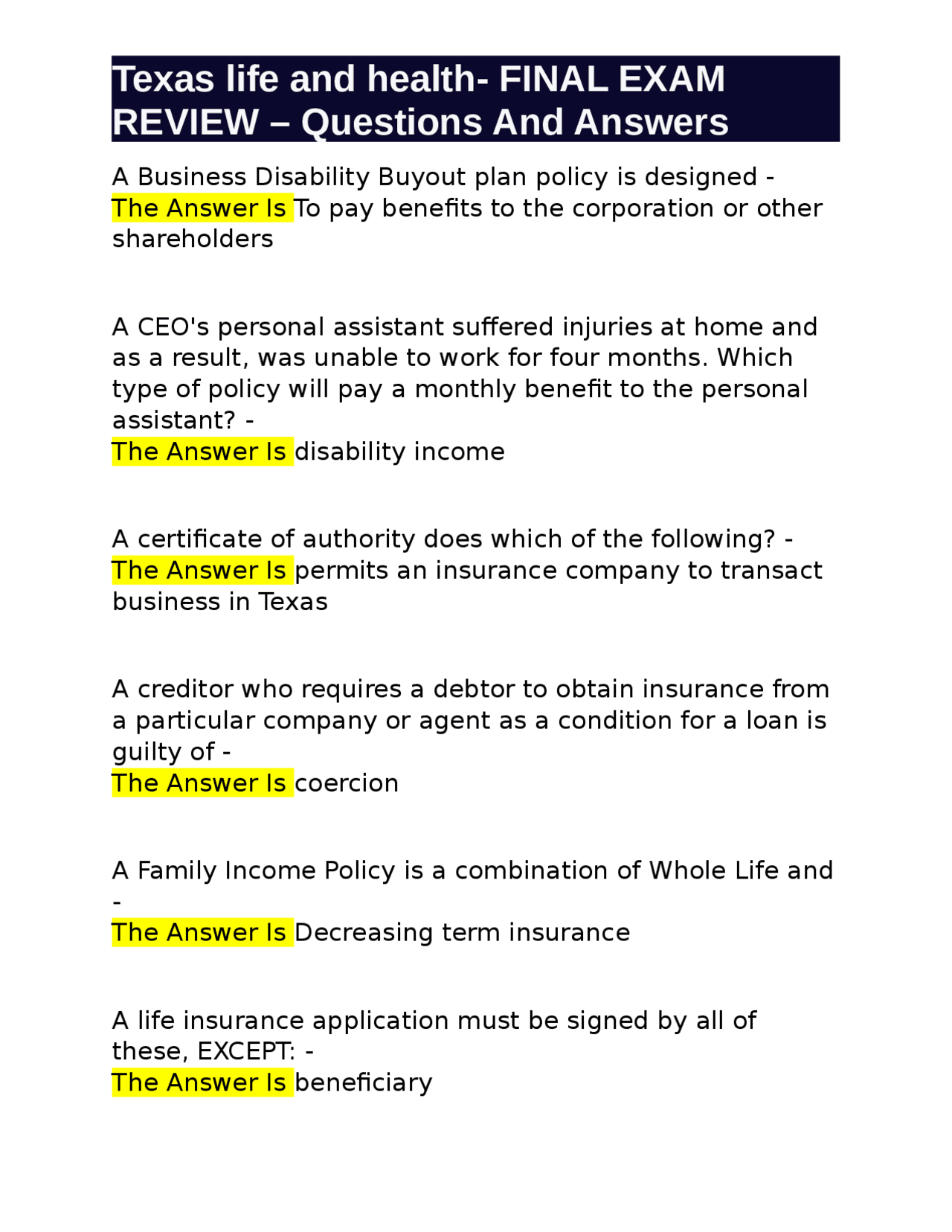
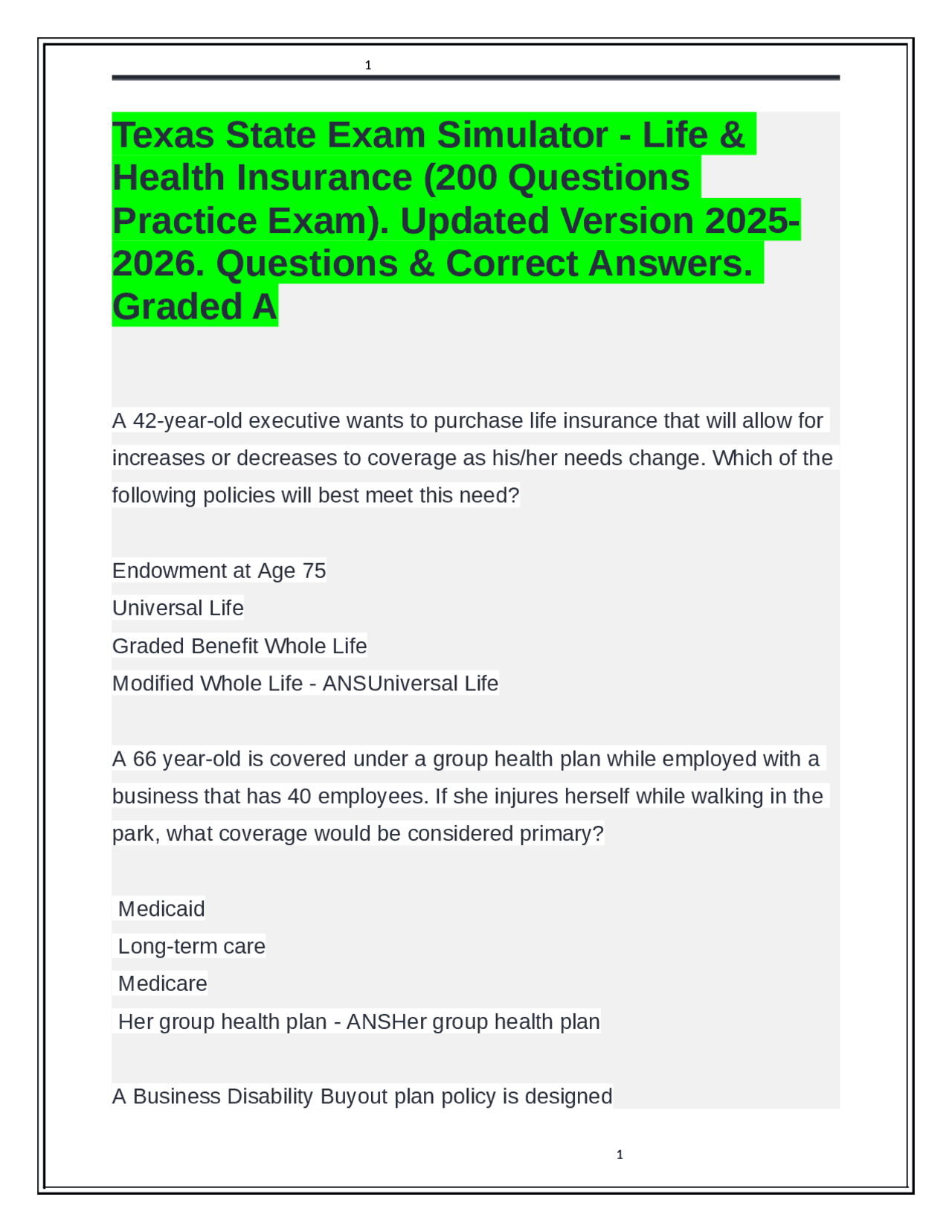
It funds a disabled owner’s buyout to protect business continuity and value.
If you run a company with partners, you need a plan for “what if.” A business disability buyout plan policy is designed to fund a fair buyout if a co-owner cannot work long term. I have helped many owners set up these plans. In this guide, I explain how they work in plain language, with steps, examples, and tips you can use today.

What a business disability buyout plan policy is designed to do
A business disability buyout plan policy is designed to solve one hard problem. What happens when a co-owner is alive but cannot return to work. Without a plan, temp fixes break fast. You get stalled votes, cash strain, and family stress. The policy adds cash when you need it most, so the buy-sell agreement can work.
Here is the core idea. You and your partners agree on how to value the company. You also agree on what “disability” means and how long it must last. If that event happens, the policy pays a lump sum or set payments. Those funds buy the disabled owner’s shares at a fair price.
Why it matters:
- It keeps control clear and smooth during hard times.
- It gives the disabled owner a clean exit and fair value.
- It shields jobs, clients, and lender trust.
- It keeps cash in the company for key needs.
In short, a business disability buyout plan policy is designed to protect people and the business. It turns a messy risk into a clear process the team can follow.

How the policy works step by step
A business disability buyout plan policy is designed to tie to your buy-sell agreement. The legal plan sets the rules. The policy funds those rules.
Typical steps:
- Draft or update your buy-sell agreement. Set the method to value the company.
- Define disability. Use clear medical and time tests.
- Choose a benefit type. Pick a lump sum, installments, or a mix.
- Set the elimination period. Many pick 12, 18, or 24 months.
- Apply for coverage. Owners go through medical and financial review.
- If a claim is approved, the policy pays. The funds buy the disabled owner’s shares.
- Ownership shifts. The business keeps moving with clear control.
Common benefit designs:
- Lump sum at claim approval. Fast and simple for clean buyouts.
- Installments over 3 to 5 years. Helps control premiums.
- Hybrid. A partial lump sum with set monthly benefits.
Quick example from my work: Three owners ran a $9 million firm. One had a stroke. The elimination period was 18 months. At claim approval, the policy paid a lump sum. The two active owners used it to buy his shares at the set value. No debt scramble. No family fight. Work went on.
Ownership structures and who holds the policy
Your legal structure shapes who owns and gets paid. A business disability buyout plan policy is designed to fit one of these models.
Cross-purchase
- Each owner holds a policy on the others.
- Each owner receives benefits and buys shares directly.
- Pro: Buyers get a higher tax basis in the shares.
- Con: More policies if many owners.
Entity purchase (stock redemption)
- The company owns the policy on each owner.
- The company receives benefits and redeems shares.
- Pro: Simple for many owners.
- Con: No basis step-up for remaining owners.
Trustee or partnership approach
- A trustee or LLC owns and manages all policies.
- Pro: Cleaner admin for large groups.
- Con: More legal setup.
In my experience, firms with two to four partners often use cross-purchase. Larger groups lean to entity or trustee setups.
Key terms, riders, and definitions to get right
A business disability buyout plan policy is designed to work only if terms are clear. Focus on these items.
- Disability definition. It should match the role and duties of an owner. Most use total disability tied to material and substantial duties.
- Elimination period. Longer periods lower cost but delay payment. Many choose 18 to 24 months.
- Valuation clause. Use a formula, appraisal, or fixed value with regular updates.
- Benefit type and cap. Set a limit that matches expected share value.
- Recovery and refund features. Some policies adjust if an owner comes back.
- Change-of-ownership options. Helpful if partners enter or exit.
- Non-compete and consulting terms. Align with the buy-sell so the exit is clean.
Pro tip: Sync the buy-sell agreement and the policy. Gaps cause claim delays. I once saw a claim stall six months due to mismatched definitions.

Tax and legal basics you should know
This is general guidance. Always speak with your tax and legal team. A business disability buyout plan policy is designed to work within sound tax rules.
- Premiums are usually not tax deductible.
- Policy proceeds are generally received tax free if premiums were not deducted.
- Cross-purchase often gives remaining owners a higher basis in the acquired shares.
- Entity purchase may not change the basis for remaining owners.
- Keep the buy-sell current and signed by all owners.
- Set the valuation method in writing and update it each year.
Well-drafted agreements cut audit risk and reduce disputes. Keep minutes of annual valuation updates. Store them with your policy.
Cost drivers and underwriting checklist
A business disability buyout plan policy is designed to price risk with care. Plan ahead for these factors.
What drives cost:
- Owner age, health, and tobacco use.
- Occupation duties and industry risk.
- Company value and each owner’s share.
- Elimination period and benefit type.
- Riders and policy features.
What carriers ask for:
- Medical history and exams.
- Financials to support the benefit size.
- The signed or draft buy-sell agreement.
- Cap table and ownership percentages.
- Job duties for each owner.
Ways to manage premiums:
- Use a longer elimination period if you have reserves.
- Blend a smaller lump sum with installments.
- Update value yearly to avoid over-insuring.
- Improve wellness. Better health often lowers rates.
Real-world scenarios and lessons learned
From my advisory work, here are patterns I see. A business disability buyout plan policy is designed to remove stress when life gets hard.
Case one: The slow decline
- An owner with a progressive illness stayed on payroll for a year.
- No plan existed. Partners paid cash as they could and took on debt.
- Result: Missed growth, broken trust, lower final buyout price.
Case two: The clean exit
- Owners set a clear definition and 18-month elimination period.
- They chose a hybrid benefit. A lump sum plus 36 monthly payments.
- Result: The exit was smooth. The team kept key staff and clients.
What I learned:
- Update values every year. Markets change fast.
- Set the definition to the role, not a generic job.
- Document duties and decision rights for each owner.
- Test cash flow under stress. Debt is costly when you are under pressure.
Implementation roadmap for owners and advisors
A business disability buyout plan policy is designed to be simple to run once set up. Use this roadmap.
- Map risks. Who are key owners and what duties do they hold.
- Align the buy-sell. Confirm valuation, disability definition, and timelines.
- Pick the structure. Cross-purchase, entity, or trustee.
- Size the benefit. Match to current value and growth plans.
- Choose terms. Elimination period, lump sum, installments, and riders.
- Apply and underwrite. Share medical and financial data.
- Fund and store. Place policies, set EFT, and keep copies in shared files.
- Review yearly. Update value, roles, and coverage amounts.
Keep a one-page summary for lenders and your CPA. It speeds questions and renewals.
Common mistakes to avoid
A business disability buyout plan policy is designed to prevent conflict, but only if you avoid these traps.
- Vague disability terms. This leads to fights and delayed claims.
- Outdated valuation. Old numbers create unfair payouts.
- Mismatch between policy and buy-sell. Claims stall when terms differ.
- Too short an elimination period. Costs rise and cash may not be needed yet.
- Ignoring tax basis. This can surprise the remaining owners later.
- No onboarding for new partners. Coverage gaps appear when people join.
Fix these now. It is far cheaper to prevent a dispute than to win one.
Who needs it and when
A business disability buyout plan policy is designed for companies with two or more owners. It matters most when the owners drive sales, ops, or client trust.
Good candidates:
- Professional firms. Medical, dental, legal, engineering, and wealth teams.
- Skilled trades. Construction, HVAC, and specialty shops.
- Agencies and studios. Marketing, design, and tech boutiques.
- Any firm with concentrated key person risk.
Best time to act:
- After a new partner joins.
- When you raise funding or take on a big loan.
- After a major jump in revenue or valuation.
- During annual buy-sell reviews.
If the business relies on a few people, you need this now.
Frequently Asked Questions of a business disability buyout plan policy is designed:
What is the difference between disability income insurance and a disability buyout?
Disability income replaces a person’s paycheck. A business disability buyout plan policy is designed to fund the purchase of an owner’s shares, not income.
How long is the typical elimination period?
Most policies use 12 to 24 months. Pick a timeline that fits your cash reserves and risk tolerance.
Are premiums tax deductible?
Usually no. Because premiums are not deducted, benefits are often received tax free, but confirm with your tax advisor.
How do we set the right benefit amount?
Tie it to the buy-sell valuation and each owner’s share. Review and adjust each year as the business grows.
Can we add or remove owners later?
Yes. Many carriers allow changes with evidence of insurability and updated ownership records.
What if the disabled owner recovers after the buyout?
Some policies have recovery provisions. Your buy-sell should state what happens if recovery occurs after a sale.
Can lenders require this coverage?
Sometimes. Lenders like clear succession plans and stable control if an owner becomes disabled.
Conclusion
A business disability buyout plan policy is designed to turn a risky “what if” into a clear, funded path. It protects owners, families, staff, and clients. It keeps the work you built on track when life throws a hard curve.
Start now. Review your buy-sell, set the right definitions, and size your coverage with care. Talk with your legal, tax, and insurance team. If you found this helpful, share it with your partners, subscribe for more guides, or reach out with your questions.