Talk, read, sing, and play every day; respond, repeat, and expand simple words.
If you want to know how to build early language skills, you’re in the right place. I’ve coached hundreds of families and educators, and I’ve seen small daily choices spark big gains. In this guide, I’ll break down proven steps, real-life routines, and practical tools that make talking and learning feel natural and fun.
Why early language skills matter
Strong early language skills predict later reading, writing, and school success. They shape attention, memory, and problem-solving. They also build social skills and self-control because kids can name needs and feelings.
The brain is most flexible in the first five years. Rich talk turns this window into lasting gains. When adults respond and expand, children’s brains form thick, efficient networks for words and meaning.
That is why learning how to build early language skills is one of the best gifts you can give. It helps now and sets up a strong start for life.
The science behind how kids learn to talk
Babies learn language through serve-and-return. A child looks, points, or babbles. You respond with words, tone, and eye contact. This loop wires the brain for communication and trust.
Parentese helps. That is the warm, sing-song voice with clear words and slow pace. Studies show it holds attention and supports sound learning.
Kids need shared focus. Point to the object your child sees and name it. Repeat the word in short, clear phrases. These moves are the core of how to build early language skills because they match how young brains take in words.
Key milestones to watch (0–5 years)
Milestones are guides, not strict rules. Use them to notice patterns.
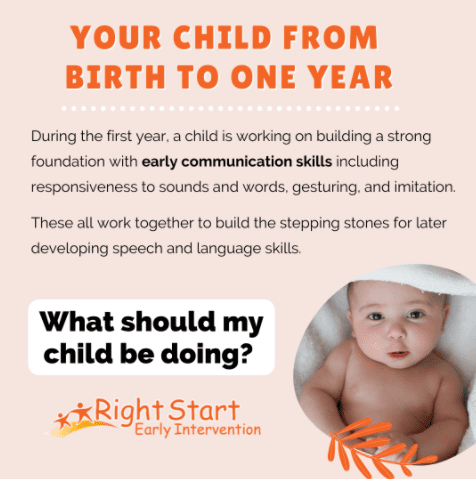
- 0–6 months: Turns to voice, coos, smiles, and laughs. Watches faces.
- 6–12 months: Babbles, copies sounds, understands “no,” waves, and says a first word.
- 12–24 months: Adds words fast, points to body parts, and uses two-word phrases.
- 2–3 years: Uses short sentences, asks simple questions, and follows two-step directions.
- 3–5 years: Tells little stories, uses grammar better, and is understood most of the time.
If a child misses several markers or loses skills, act early. Getting help is part of how to build early language skills with care and speed.

Core strategies: how to build early language skills every day
These moves are simple, fast, and backed by research. You can use them during any routine.
-
Tune in and respond
- Follow your child’s lead. Talk about what they see or do.
- Wait. Let them take a turn, even with a look or a sound.
- Match energy. Mirror their sound and pace.
-
Narrate your day
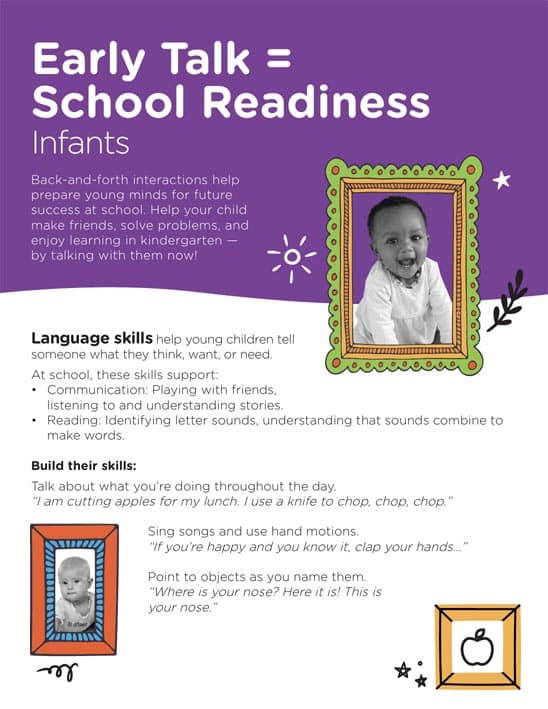
- Describe steps in daily tasks. “Socks on. Shoes on. Ready to go.”
- Keep sentences short and clear. Use the same words often.
- Name actions as you do them.
-
Label and expand
- Child: “Dog!” You: “Big dog. The dog runs.”
- This adds one or two new words. It grows ideas and grammar.
- Expansion is a top way to learn how to build early language skills.
-
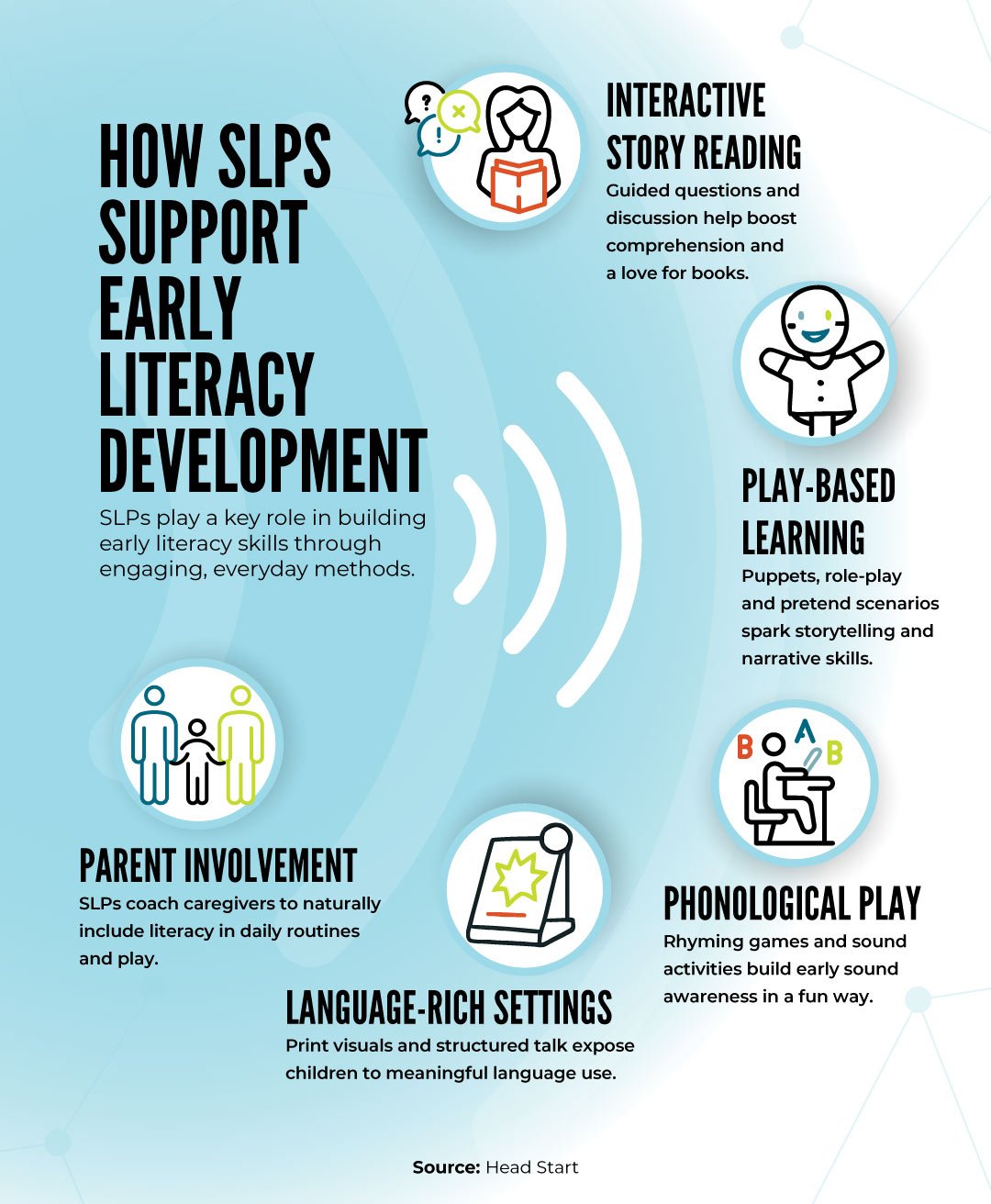
Read, the dialogic way
- Point to pictures and ask, “What’s that?” “What happens next?”
- Connect to real life. “We saw a bus like this.”
- Reread favorites. Kids learn more on each read.
-
Sing, rhyme, and clap
- Songs build sound skills and memory.
- Rhyme helps with later reading.
- Add claps or taps to mark beats.
-
Use gestures and simple signs
- Wave, point, and nod. These boost early words.
- Signs for more, all done, help reduce frustration.
-
Play on the floor
- Pretend play builds story skills.
- Take turns and add words to play.
- Let kids lead the plot.
-
Grow feelings words
- Name emotions. “You’re proud!” “You look sad.”
- Offer words plus a fix. “Mad. Let’s take a breath.”
-
Make space for quiet
- Pause often. Leave room for a response.
- Slow pacing helps words stick.
When families ask how to build early language skills with limited time, I point to these moves. They fit in minutes you already have.

A day-in-the-life plan you can copy
Use this sample to sprinkle talk into your day. Keep it light and playful.
Morning
- Name steps. “Wash hands. Brush teeth. Shirt on.”
- Offer choices. “Blue cup or red cup?”
- Expand. Child: “Milk.” You: “Cold milk in the red cup.”
Commute or walk
- Point out sounds. “Hear the bird? Tweet tweet.”
- Play I Spy with colors or shapes.
- Label feelings. “You’re excited to see Nana.”
Playtime
- Follow their lead. Add one new word per turn.
- Use pretend scripts. “The teddy is sleepy. Shh, night-night.”
- Rotate toys to spark new words.
Meals
- Talk textures and tastes. “Crunchy carrot. Sweet apple.”
- Ask simple wh- questions. “What do you want next?”
- Model sentences. “I want more rice, please.”
Bath and bedtime
- Name body parts. “Elbow, wrist, ankle.”
- Read, sing, and cuddle. Reread hits.
- Recap the day. “We saw a big truck. You waved.”
This routine is a blueprint for how to build early language skills in real life. Adjust to your family. Keep it warm and fun.
Bilingual or multilingual homes
Bilingual input does not delay speech. Kids can learn two languages from birth. They may mix words, and that is normal and smart.
Use clear patterns if it helps your family. One person, one language works for some. Others use one language at home and another outside. The best plan is the one you can keep.
Tips that support how to build early language skills in two languages:
- Give lots of input in each language.
- Read and sing in both.
- Let kids answer in any language; respond with a model in the target one.
- Keep ties to your heritage language. It supports identity and school success.

Source: magnetaba.com
Smart use of screens and tech
Young kids learn best from real people. Live talk beats any app. When you use screens, be picky and present.
Guidelines that align with how to build early language skills:
- Co-view and talk about what you see.
- Pick slow, simple shows with clear words.
- Turn on captions for older toddlers and preschoolers.
- Use video chat to connect with far family.
- Keep devices off during meals and the hour before bed.
If screen time reduces talk time, cut back. The goal is real back-and-forth.
Red flags and when to seek help
Trust your gut. Early help works best and is part of how to build early language skills.
Watch for:
- No babbling by 9 months, no pointing or waving by 12 months.
- Few or no words by 16–18 months.
- No two-word phrases by 24 months.
- Hard to understand most of the time after age 3.
- Loss of words or social interest at any age.
Also check hearing after ear infections or if your child turns the TV up. Ask your pediatrician for a speech-language evaluation. Free early intervention is often available.

Tracking progress without stress
Make tracking a game, not a test. You want momentum, not pressure.
- Keep a word jar. Add a sticky note for each new word.
- Do a weekly five-minute check. What new words or gestures showed up?
- Celebrate effort. Cheer for tries and close sounds.
- Rotate books and toys to nudge new ideas.
- If growth stalls for weeks, adjust input or seek advice.
This calm approach is a simple way for how to build early language skills while keeping joy in the process.
Frequently Asked Questions of how to build early language skills
How early should I start if I want to know how to build early language skills?
Start at birth. Talk, sing, and respond to sounds and looks. Early input lays the base for later words.
How many words should my child say at 18 and 24 months?
By 18 months, many children say around 10–50 words. By 24 months, many use two-word phrases and have 50+ words.
Do baby sign and gestures help or slow speech?
They help. Signs and gestures reduce stress and often lead to more spoken words.
What are the best books for how to build early language skills?
Choose sturdy books with big pictures and few words. Pick familiar topics, animals, trucks, family, and daily routines.
Is it okay to use two languages at home when learning how to build early language skills?
Yes. Use both with pride. Keep talk rich and responsive in each language.
How long should we read each day for how to build early language skills?
Aim for 10–20 minutes total, split across the day. Short, joyful reads beat long, forced sessions.
Are educational apps useful for how to build early language skills?
Some can support, but only with you beside your child. Real conversation matters most.
Conclusion
Small, steady steps build strong talkers. If you focus on serve-and-return, clear models, rich books, and daily play, you will master how to build early language skills without extra time or stress. Follow your child’s lead, add a few new words, and celebrate every try.
Use one idea from this guide today. Then stack one more next week. Want more tools and examples? Subscribe for fresh routines, download the free checklist, or leave a question, and I’ll help you tailor a plan.