Model curiosity, ask open questions, use play, and scaffold challenges daily.
You’re here to learn how to build early problem solving skills, and you’re in the right place. I’ve coached parents, teachers, and caregivers for over a decade, helping children turn small challenges into big wins. This guide breaks down what works, why it works, and how you can use it today. Read on for clear steps, real examples, and research-backed ideas that make problem solving part of everyday life.
Why early problem solving skills matter
Early problem solving shapes how children think, learn, and act. When kids meet small challenges early, they build focus, memory, and self-control. These skills form the base for reading, math, and social growth.
Research shows that play with goals builds planning and flexible thinking. It also helps kids manage stress and make better choices. This is why learning how to build early problem solving skills is one of the best things you can do for a child.
You also get calmer days. Kids who can think through steps need less rescue. They try, adjust, and try again. That confidence moves from home to school to life.

The core principles behind how to build early problem solving skills
You do not need fancy tools. You need the right habits. Here are the core ideas that make skill growth fast and lasting.
- Start with a growth mindset. Say, you can learn this, instead of you are smart.
- Use wait time. Count to ten before you jump in. Let the child think.
- Scaffold, do not rescue. Offer one small hint, not the solution.
- Keep problems real. Use daily tasks like zippers, snacks, and clean up.
- Make thinking visible. Say your steps out loud as a model.
- Reflect after. Ask, what worked, what did not, and what next.
In my work, the biggest shift comes from language. When adults switch from telling to asking, children lead. That is the heart of how to build early problem solving skills.

Age-by-age plan: how to build early problem solving skills from 0–8
You can teach problem solving from birth. Use play, warmth, and simple steps. Match the level to the child, not the age on the box.
Ages 0–2: explore and persist
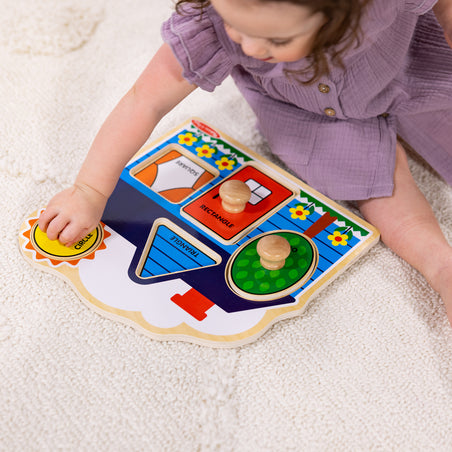
- Offer safe, simple puzzles like shape sorters and stackers.
- Use everyday barriers, like a toy under a cloth, to spark search.
- Narrate steps. Say, you pulled, then you looked, now you found it.
- Celebrate effort. Smile, clap, and label the try.
Ages 3–5: plan, test, and talk
- Add two-step tasks. For example, set the table with two items.
- Ask open questions. What else could we try?
- Use stories. Pause and ask, how can the hero solve it?
- Start simple routines. First try, then ask for help.
Ages 6–8: discuss strategies and reflect
- Use real-life projects. Build a fort with a supply limit.
- Introduce basic plans. Ask for a plan A and a plan B.
- Keep a small journal. Write or draw how you solved a tough task.
- Teach peer help. Coach how to give a hint, not the answer.
Across all ages, small wins stack up. This is the most practical way to learn how to build early problem solving skills at home and in class.
Daily routines that build problem solving
You can turn any routine into a mini lab. Keep it short and playful.
- Morning: Ask, what should we pack first, and why?
- Mealtime: Give two tools and ask which one fits the job.
- Bath time: Set a goal, like sink four boats with three cups.
- Errands: Plan the aisle route with a simple map.
- Outdoor play: Create a path with rules, like step only on rocks.
Use the same prompts each day. Patterns help kids think with less stress. A few minutes per routine is enough when you are learning how to build early problem solving skills.

Play, toys, and tools that work
You do not need more toys. You need toys that do more.
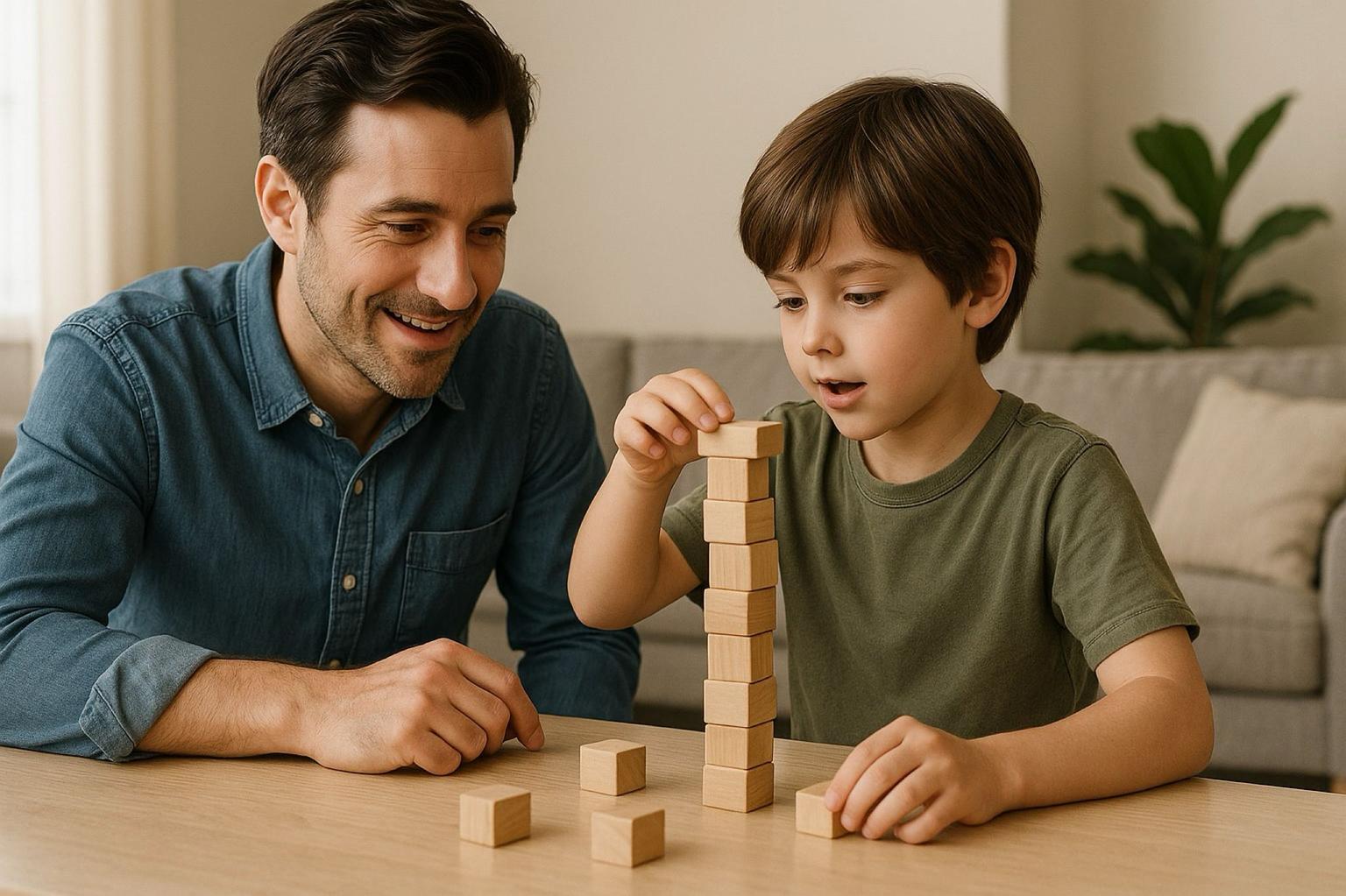
- Open-ended toys: Blocks, magnets, and loose parts invite many solutions.
- Puzzles and logic games: Start easy. Increase one notch at a time.
- Real materials: Tape, string, boxes, clips, and cloth help build plans.
- Books and stories: Pause and predict, then check the result.
- Tech, with care: Pick apps with slow pace and clear goals. Keep time short.
Rotate items each week. Fewer choices mean more focus. This is a simple but strong step in how to build early problem solving skills.

Coaching moves for adults: language that sparks thinking
Your words guide the work. Use prompts that shift power to the child.
- Not yet prompts: What is your first step? What else could work?
- Compare prompts: How is this like what you did yesterday?
- Evidence prompts: What makes you think that will work?
- Reflection prompts: What would you change next time?
Sample scripts you can use today:
- I see you tried pulling. What is another way to move it?
- Do you want a hint or more time?
- Tell me your plan out loud first.
These small lines change habits fast. This is a core part of how to build early problem solving skills that lasts.

Common mistakes and how to avoid them
Avoiding a few traps speeds growth and cuts stress.
- Jumping in too fast: Give time. Use the ten-second pause.
- Solving for them: Offer one hint. Step back again.
- Asking yes/no questions: Ask open questions that invite ideas.
- Pushing the right answer: Praise the process, not the outcome.
- Too many choices: Limit materials. Focus on one goal at a time.
I learned this the hard way as a new coach. I used to give three hints at once. Kids stopped thinking. When I gave one hint and waited, they found a path. That shift is key in how to build early problem solving skills.

Tracking progress and keeping motivation high
If you do not track it, you miss wins. Keep it simple.
- Use a weekly checklist. Track try time, number of ideas, and calm talk.
- Take photos of steps, not just the final build.
- Celebrate effort. Share one win at dinner each day.
- Set tiny goals, like one extra minute of try time this week.
Progress is not a straight line. Expect dips when the task is new. Staying steady is part of how to build early problem solving skills over time.
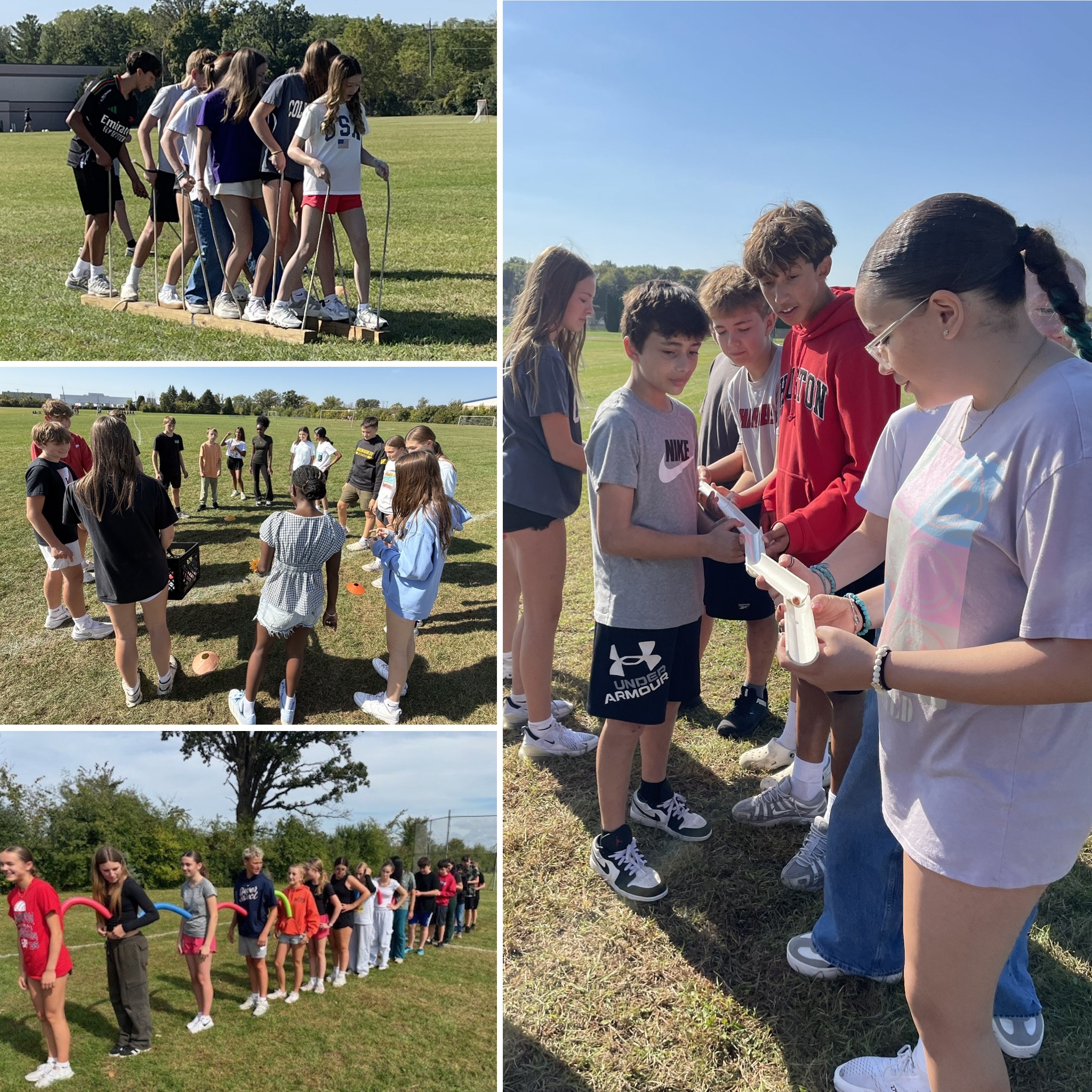
Home and school partnership
Kids learn best when adults align. Share what works and ask for tips.
- Tell the teacher which prompts click at home.
- Ask for tasks you can mirror, like sorting, planning, or mapping.
- Create a family problem bank with fun challenges.
- Post shared language on the fridge for all caregivers.
When home and school sync, gains grow. That unity accelerates how to build early problem solving skills for every child.
Frequently Asked Questions of how to build early problem solving skills
What age should I start teaching problem solving?
Start now, even with infants. Use simple games that build explore, wait, and try again habits.
How long should practice sessions be?
Keep sessions short and often. Five to ten minutes, many times a day, works well.
What if my child melts down when stuck?
Stay calm and keep the task small. Offer one choice or one hint, then pause.
Are screens good for problem solving?
Some apps can help, but limit time. Real play with hands and people is still best.
How do I motivate a reluctant child?
Offer choice and voice. Let them pick the tool or the first step, and praise effort.
What toys give the best results?
Open-ended sets like blocks, magnets, and loose parts help most. They allow many plans and solutions.
Conclusion
You now have a clear, simple plan. Use daily routines, smart language, and tiny steps to grow big skills. Keep tasks real, give wait time, and celebrate effort. That is the most reliable way to master how to build early problem solving skills.
Start today with one routine and one prompt. Track a small win this week. If you found this helpful, subscribe for more guides, share with a friend, or leave a question so we can help you take the next step.