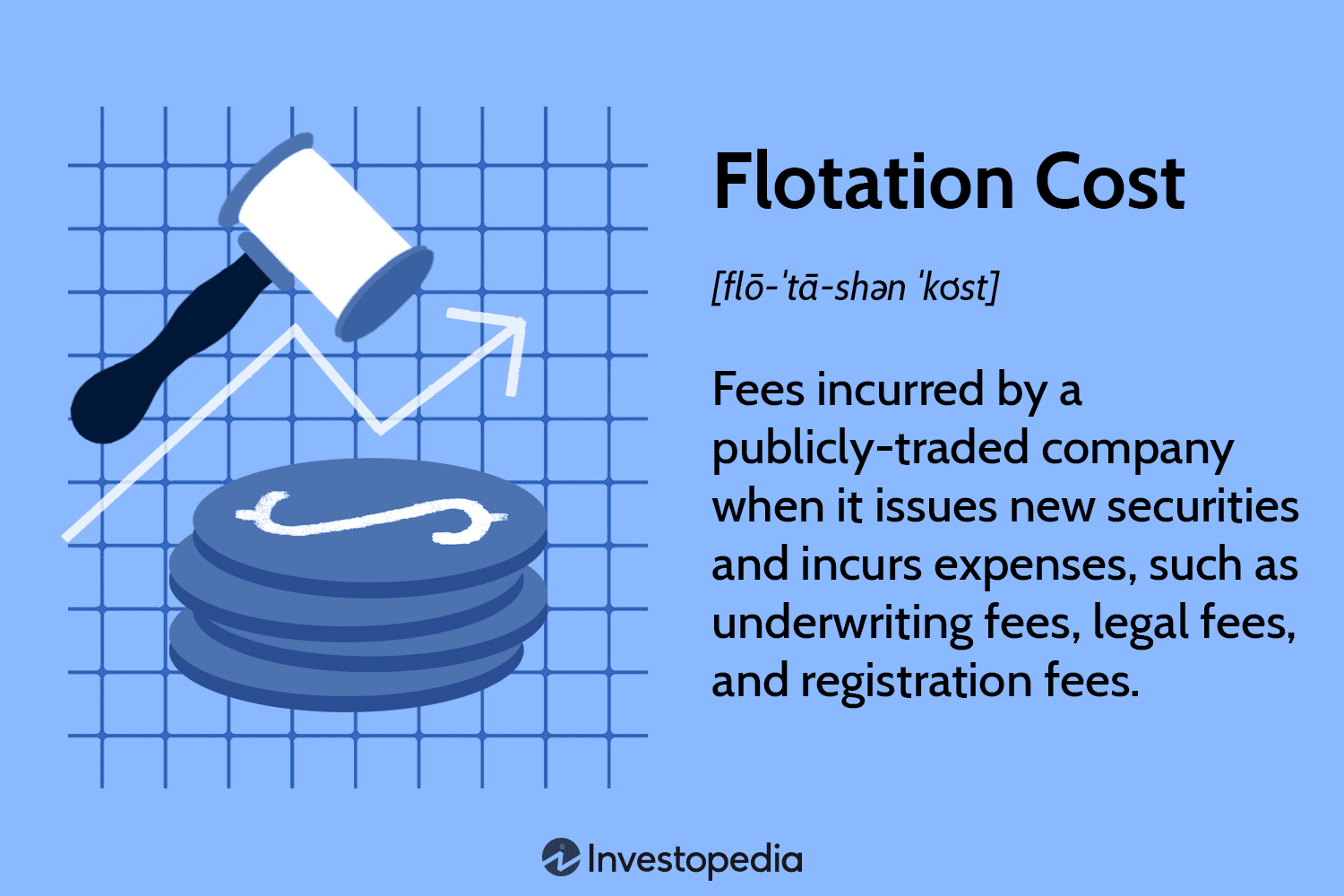
Legal fees in a fund raise are either expensed or netted against proceeds.
If you are planning a seed, Series A, or an IPO, getting accounting for legal fees in fund raise right can save pain later. I have helped founders and CFOs through fast closings, messy cap tables, and tight audits. This guide explains accounting for legal fees in fund raise in clear steps, with examples you can use today. Read on to avoid restatements, tax traps, and audit surprises.
What counts as legal fees in a fund raise
Legal fees cover more than your final closing invoice. They include work that is incremental and directly tied to raising capital. That line matters for accounting for legal fees in fund raise.
Typical items include:
- Term sheet review, charter updates, and stock purchase agreements
- Convertible note, SAFE, or warrant docs and opinions
- Due diligence responses and disclosure schedules
- State filings, blue sky, and agent agreements
- Bank loan negotiations, security filings, and legal opinions
Some legal spend looks similar but is not an offering cost. Strategy advice, general governance, or unrelated litigation does not qualify. Keep good scopes and invoices so you can split costs cleanly.
:max_bytes(150000):strip_icc()/TermDefinitions_DebtIssue-fdf52642e900457b866f2b1710958034.jpg)
Core accounting model under US GAAP
Here is the short map for accounting for legal fees in fund raise under US GAAP.
- Equity issuance costs. Costs that are incremental and directly related to issuing equity reduce the proceeds. Record them as a reduction to additional paid-in capital. If the equity raise fails, expense them in the period.
- Debt issuance costs. Capitalize and present as a direct deduction from the debt balance. Amortize over the life of the debt using the effective interest method. For revolving lines, present as an asset and amortize over the commitment period.
- Mixed instruments. For convertibles or warrants, allocate costs to the liability and equity components based on relative fair values when required. Amortize the liability portion; reduce APIC for the equity portion.
- Success vs abort. If the raise closes, defer allowable costs until closing, then record as above. If the raise is abandoned, expense all related amounts to operating expense.
Useful references include ASC 835-30 for debt issuance costs, SEC guidance on equity offering costs, and ASC 340/ASC 720 for cost deferral and expensing principles.

IFRS snapshot
Under IFRS, the logic is similar but the labels differ. This helps when accounting for legal fees in fund raise across jurisdictions.
- Equity costs. IAS 32 requires costs directly attributable to issuing equity to be deducted from equity, net of tax.
- Debt costs. IFRS 9 treats transaction costs as an adjustment to the initial carrying amount of the financial liability. They are amortized via the effective interest method.
- Convertible instruments. Allocate transaction costs to the liability and equity components in line with the split of the instrument.
If a raise is aborted, expense the costs when it is clear the transaction will not happen.

Capitalization vs expense: the decision tree
Use this simple test each time you code an invoice. It keeps accounting for legal fees in fund raise consistent.
- Is the legal cost incremental and would it have been avoided but for the raise?
- Is it directly tied to a specific raise or instrument?
- Did the raise close?
If yes to 1 and 2:
- If the raise closed, defer then net against equity or capitalize as debt costs.
- If the raise failed, expense immediately.
If no to 1 or 2:
- Expense as incurred, often as G&A or professional fees.
Document your answers. Auditors will ask for them.

Classification and presentation
Getting placement right is as important as measurement for accounting for legal fees in fund raise.
- Balance sheet. Equity offering costs reduce APIC. Debt issuance costs reduce the debt balance; for revolving credit facilities, show as an asset.
- Income statement. Debt issuance cost amortization runs through interest expense. Equity offering costs do not go through the P&L if the raise closes.
- Cash flows. Cash paid for offering costs is a financing cash outflow. Amortization is a noncash reconciling item in operating cash flows.
Label your accounts clearly. It helps close the books fast.

Stage-by-stage guidance
Legal costs come in waves. Here is how I tag them during a live raise to keep accounting for legal fees in fund raise clean.
- Early exploration. Strategy calls or investor intros are usually expensed. They are not incremental to a specific raise.
- Term sheet to signing. Drafting and negotiating definitive documents is usually incremental. Defer to an offering costs account by instrument.
- Closing. On closing, move deferred equity costs to APIC and record debt costs against the debt. Allocate by instrument if you closed more than one.
- Post-close clean-up. Costs that fix closing deliverables can still be incremental if clearly tied. Late general advice after close is usually expensed.
Ask your counsel to split invoices between offering costs and other work. Most firms will help if you ask up front.

Special instruments and edge cases
Not all raises are straight common stock. These points can change accounting for legal fees in fund raise.
- SAFEs. If equity-classified, deduct costs from APIC when the SAFE is issued or when it converts, based on your policy and legal form.
- Convertible notes. Treat as debt. Capitalize and amortize the legal costs over the note term. If the note converts, any unamortized costs reduce APIC at conversion.
- Warrants. If issued with debt, allocate costs by relative fair value. If issued for equity financing, reduce APIC.
- Lines of credit. Capitalize costs as an asset and amortize over the commitment period.
- IPOs and direct listings. Only costs that are incremental and directly related to the offering are deferred. If the IPO is delayed beyond a reasonable period, consider expensing until plans restart.
When terms are complex, involve your auditors early. It saves rework.
Journal entries and real-world examples
Clear entries make audits smooth. These samples show accounting for legal fees in fund raise under common cases.
Example 1: Successful equity round
- Dr Deferred equity offering costs 100,000
- Cr Cash 100,000
At close: - Dr APIC 100,000
- Cr Deferred equity offering costs 100,000
Example 2: Term loan with fees
- Dr Cash 9,800,000
- Dr Debt issuance costs 200,000
- Cr Notes payable 10,000,000
Monthly amortization: - Dr Interest expense 3,333
- Cr Debt issuance costs 3,333
Example 3: Aborted equity raise
- Dr Professional fees (P&L) 75,000
- Cr Cash 75,000
These entries handle the core cases cleanly.
Tax and audit tips
Tax rules differ from book rules. Plan both while handling accounting for legal fees in fund raise.
- Equity costs. Often not deductible for tax. They reduce paid-in capital. Some organizational costs may be amortizable; work with your tax advisor.
- Debt costs. Usually deductible over the life of the debt for tax, similar to book.
- Documentation. Keep engagement letters, itemized invoices, and a cost allocation memo. Auditors want a clear link from cost to raise.
Set a policy and stick to it. Consistency builds trust.
Process, controls, and documentation
Tight process beats last-minute scrambles. This workflow has worked well in busy closes when accounting for legal fees in fund raise.
- Tag spend. Use unique cost centers or tags per raise and per instrument.
- Pre-approve scopes. Ask counsel to split scopes and invoices between offering and non-offering work.
- Defer in a staging account. Use separate GL accounts for equity and debt deferrals.
- Reconcile monthly. Tie your deferrals to open invoices and cash paid. Resolve old balances fast.
- Close memo. Summarize what was deferred, what was expensed, and why. Include ASC references.
I once inherited a Series B close with six firms billing. Tags and weekly reconciles cut our audit tie-out time in half.
Common pitfalls and how to avoid them
Avoid these traps that often derail accounting for legal fees in fund raise.
- Expensing equity offering costs in error. Check invoices before coding.
- Capitalizing general legal advice. Only incremental, directly related costs qualify.
- Forgetting to allocate between instruments. Use relative fair values when needed.
- Misclassifying line of credit costs. Present as an asset, not as a contra-liability.
- Ignoring aborted raises. Expense promptly and document the decision date.
A short checklist before close can catch most of these.
Frequently Asked Questions
Are legal fees for an equity raise expensed or capitalized?
If the raise closes, legal fees that are incremental and directly related reduce APIC. If the raise fails, expense them in the period. This is the core rule for accounting for legal fees in fund raise.
How do I treat legal fees for a revolving credit facility?
Capitalize and present them as an asset. Amortize over the commitment period as interest expense.
What if an invoice mixes offering work and general advice?
Ask counsel to split the bill or provide a written allocation. Expense general advice and defer only the incremental offering costs in line with accounting for legal fees in fund raise.
How do I handle unamortized debt costs when debt is refinanced?
Write off the old unamortized costs to interest expense if the debt is extinguished. If it is a modification, adjust and continue amortization under the new terms.
Are IPO legal fees treated differently?
The same principle applies. Defer only incremental, direct offering costs and net them against equity at close. If the IPO is abandoned, expense them.
Do convertible notes change the accounting?
Treat legal fees as debt issuance costs and amortize over the note term. On conversion, remaining costs reduce APIC.
How should I present cash flows related to offering costs?
Classify cash paid for offering costs as financing cash outflows. Amortization is noncash and appears only in the reconciliation.
Conclusion
Handled well, legal fees become part of a clean story to investors and auditors. Use clear tests, tight tagging, and simple entries to master accounting for legal fees in fund raise. Put a short policy in place today, and you will close faster with fewer surprises.
Ready to go deeper? Subscribe for more guides, or drop a comment with your scenario and questions.