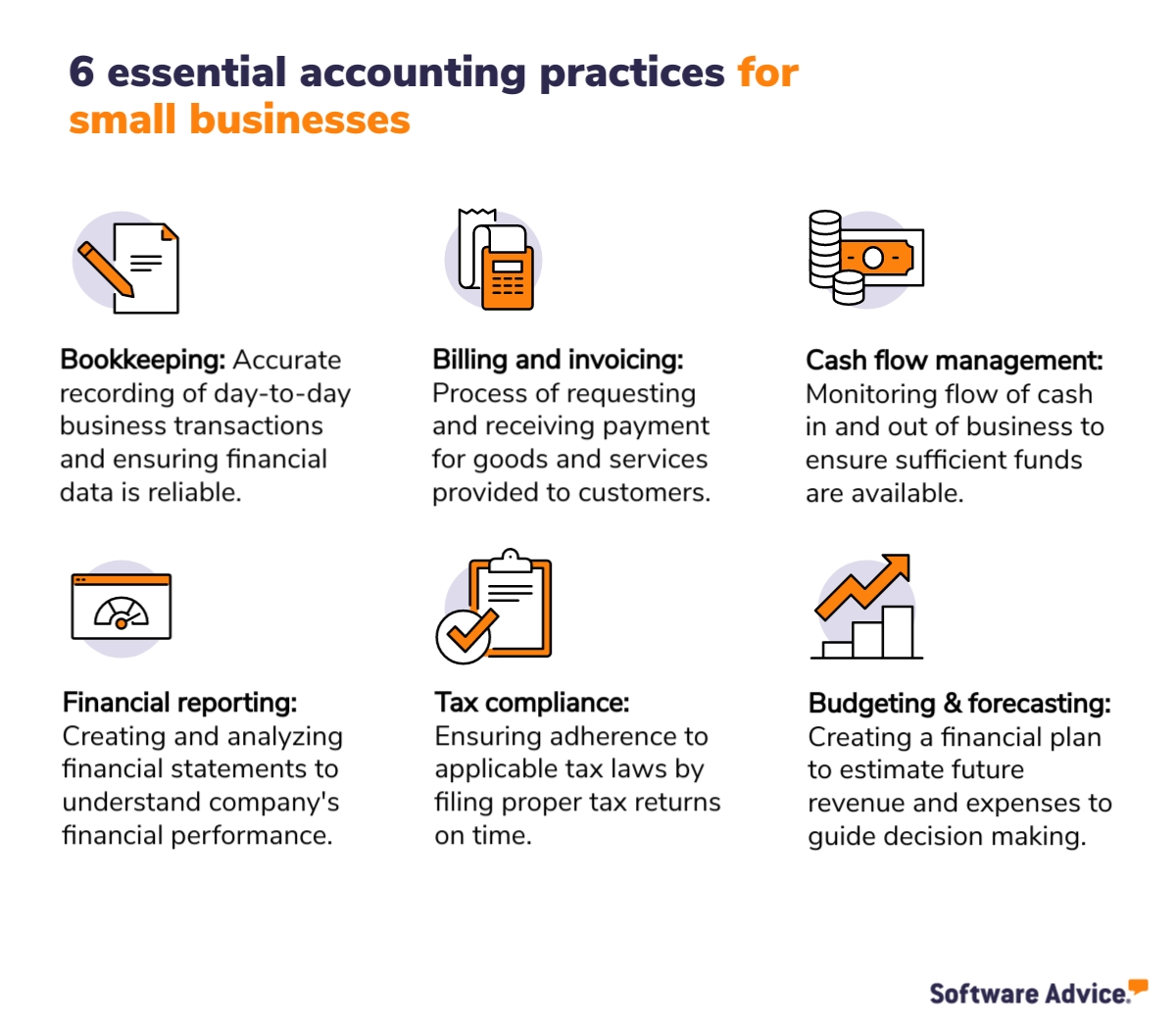
Set up books, track cash daily, invoice fast, pay bills, reconcile, and file taxes.
You wear many hats. Money is the one that keeps the lights on. I help founders and owners build clean books, clear reports, and smart habits. In this guide, we unpack the accounting tasks for small business step by step. You will see checklists, real tips, and tools that work in the real world.
The core accounting tasks for small business
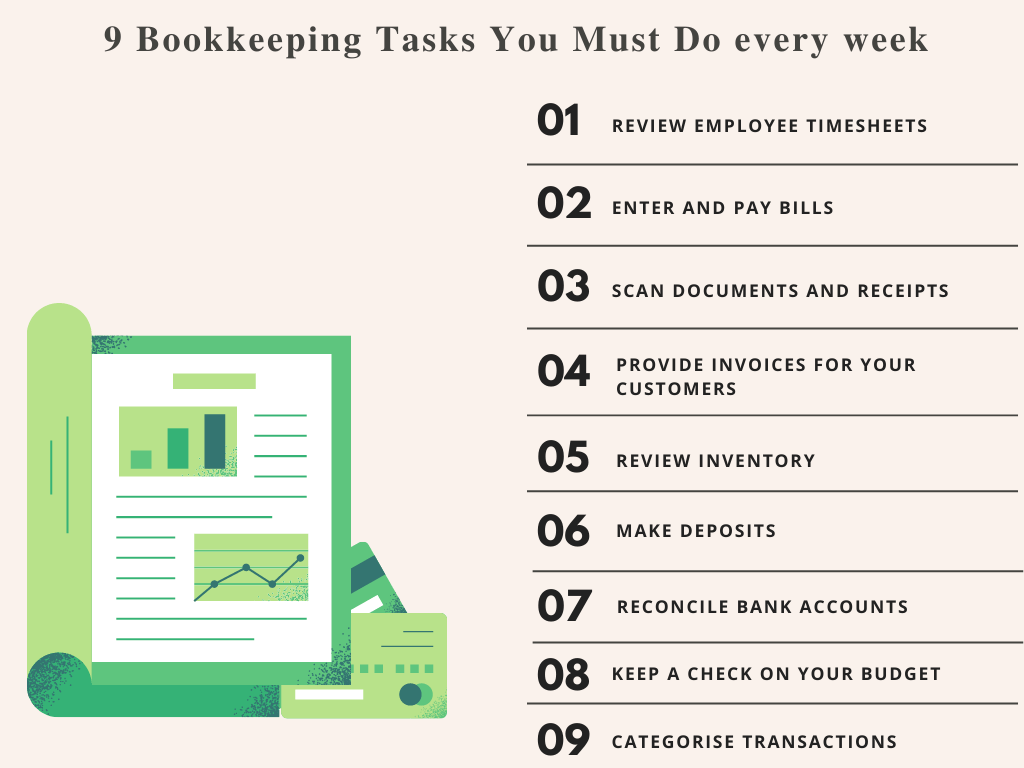
Every small firm has the same money flow. Cash comes in. Cash goes out. Your system should track each step with care and speed. These are the key accounting tasks for small business that keep you in control.
- Capture income and send invoices on time
- Record bills and plan payments
- Reconcile bank and card accounts
- Run payroll and pay taxes
- Track sales tax, 1099s, and permits
- Close the books each month and year
- Read reports and act on the story
From my work with shops and startups, one rule stands out. If you do the basics each week, big shocks fade. The accounting tasks for small business do not need to be hard. They need to be steady and clear.
Set up your accounting system the right way
A strong setup saves hours each month. It also trims stress. You can start simple and grow with ease.
- Choose cash or accrual. Cash shows money when it moves. Accrual shows money when you earn or owe it. Many small firms start with cash and then switch later.
- Build a clean chart of accounts. Keep names short. Group by type. Do not add new accounts for every small thing.
- Use one bank for the business. Open a main account and a tax stash. Use a separate card. Do not mix with your own cash.
- Pick software made for small firms. Bank feeds, rules, and mobile scans help. They cut manual work and errors.
- Create a file plan. Save bills, receipts, and contracts. Store them by year and vendor. Keep digital copies.
When I set up a cafe book, we cut the accounts list in half. We tied bank rules to vendor names. Recs went from two hours to 20 minutes. That is the power of clean setup in the accounting tasks for small business.

Daily, weekly, monthly, and quarterly accounting tasks
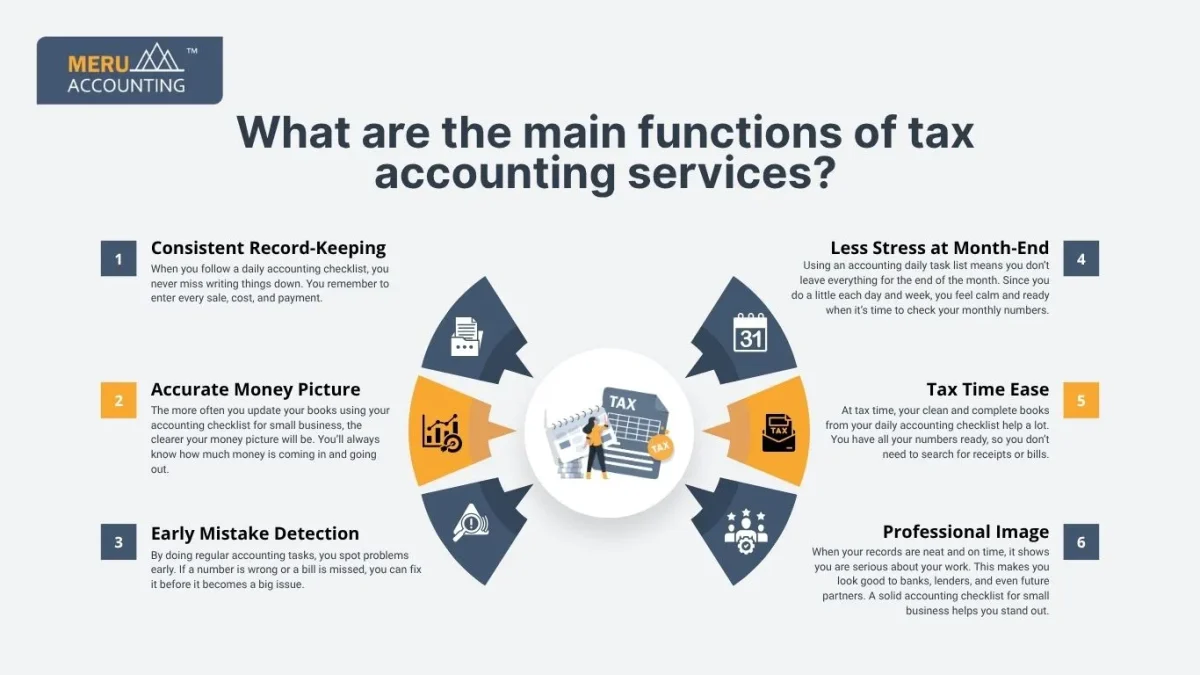
A simple rhythm keeps your books fresh. Short, firm steps work best. Use this checklist as your base.
Daily
- Send invoices for shipped work
- Record sales and deposits
- Scan and store new receipts
- Check bank feeds for odd items
Weekly
- Reconcile bank and card feeds
- Review unpaid invoices and call late payers
- Enter and approve bills
- Update your cash plan for the next four weeks
Monthly
- Reconcile all accounts to statements
- Record payroll, loan interest, and fixed assets
- Review the profit and loss and the balance sheet
- Close the month by day five with notes on key moves
Quarterly and annual
- Pay estimated taxes if due
- File sales and payroll returns as needed
- Review budget vs actuals and adjust targets
- Do a simple year-end close and prep for your CPA
Stick to this plan to win at the accounting tasks for small business. Short bursts beat long catch-up marathons. Your stress will drop and your cash will rise.
Invoicing, accounts receivable, and collections
Cash is oxygen. Your invoicing flow must be fast and clear. Small tweaks can speed cash by weeks.
- Set terms that fit your work. Net 7 or Net 15 beats Net 30 for many firms.
- Invoice the same day you deliver. Use simple, plain words and item lines.
- Offer easy pay links. Card and ACH cut delays.
- Send friendly reminders at 3, 7, and 14 days late.
- Track an aging report each week. Call, then email, then pause service if needed.
I once helped a design shop cut days sales outstanding from 54 to 21. We set auto reminders, asked for deposits, and offered ACH. That one change funded growth. Strong A/R is a key part of the accounting tasks for small business.

Bills, accounts payable, and cash flow control
Pay vendors on time, not early. Keep cash in your hands while you stay fair. A small plan can do a lot.
- Enter bills as they arrive
- Approve with a second set of eyes for big spends
- Batch payments once a week
- Use due dates, not bill dates, to plan cash
- Keep a 13-week cash flow sheet
A 13-week cash view helps you see bumps ahead. It guides choices on buying, hiring, or pricing. It is a core habit in the accounting tasks for small business.

Payroll and contractor payments
People matter most. Small errors here hurt trust and risk fines. Keep the rules tight and simple.
- Classify people right. W-2 for staff. 1099-NEC for true contractors. Get a W-9 from each contractor.
- Run payroll on the same day each period
- Fund payroll taxes on time
- Track benefits, PTO, and wage laws in your state
- Issue W-2s and 1099s each January
Use a payroll tool that files forms for you. It can withhold, remit, and file state returns. This reduces risk in the accounting tasks for small business.
Taxes and compliance basics for small businesses
Keep tax work light by doing small steps each month. You will thank yourself at year end.
- Pay estimated income taxes if needed. Many owners must pay four times per year.
- Track sales tax nexus by state. Register and file where you must.
- Keep mileage, home office, and asset records
- Save copies of filed returns and notices
- Follow IRS and state rules on record life
IRS, GAAP, and SBA guides are clear on many points. Use them as your source of truth. Good records are the spine of the accounting tasks for small business.
The three financial statements you must understand
Reports tell the story of your firm. Read them each month and note changes.
- Profit and loss shows money made and spent in a time frame
- Balance sheet shows what you own and owe at a point in time
- Cash flow statement shows how cash moved through the firm
Key checks help. Look at gross margin, net margin, and cash runway. Do a break-even check by unit or by hour. These simple reads boost the value of accounting tasks for small business.
Budgeting, forecasting, and KPIs that matter
A small budget is a big edge. It guides daily calls and bigger bets. Keep it lean and live.
- Start with last year. Adjust for price, volume, and costs
- Forecast revenue by channel or product
- Plan hiring and big buys by quarter
- Review each month and tweak
Track a short list of KPIs:
- Cash runway in weeks
- Days sales outstanding
- Days payable outstanding
- Gross margin percent
- Revenue per employee
- Customer acquisition cost and lifetime value if you sell online
These tools make the accounting tasks for small business more than record work. They turn data into clear moves.
Tools, automation, and internal controls
Software can cut clicks and errors. Controls protect you from loss. Both matter at any size.
- Use bank feeds and auto rules to code common spend
- Scan bills and receipts with OCR to avoid manual entry
- Set payment approvals over a set dollar limit
- Lock prior months after close
- Restrict user roles in your tools
Pick tools that play well with each other. Think about support, uptime, and export options. Good tools and controls raise trust in your accounting tasks for small business.
Common mistakes and how to avoid them
Small slips add up fast. Here are traps I see a lot, and fixes that work.
- Mixing personal and business cash. Fix by using one business bank and card only.
- No monthly close. Fix by setting a day five close with a checklist.
- Late invoices. Fix by invoicing the same day and using auto reminders.
- No backups. Fix by storing files in the cloud with version history.
- No notes in the books. Fix by using memos for odd items to help your future self.
These fixes are simple. They also pay back. They will smooth the accounting tasks for small business.
When to hire a bookkeeper or CPA
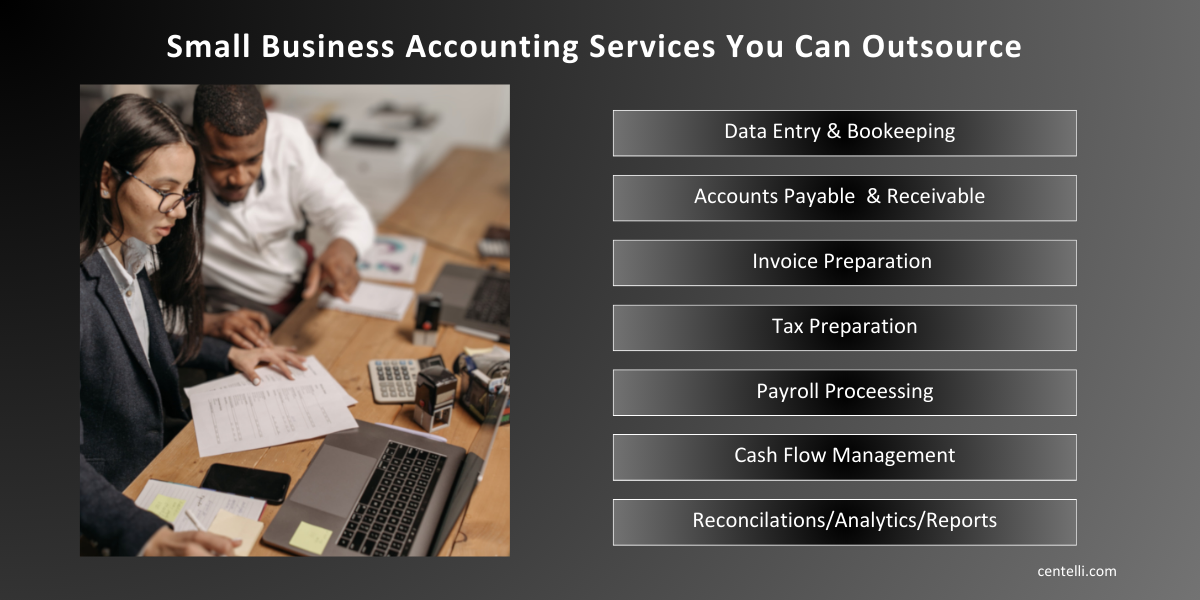
You do not need to do it all. Help can cost less than one bad error.
- Hire a bookkeeper when you spend more than four hours a week on books
- Bring in a CPA when you have investors, loans, or new tax needs
- Ask for a monthly close, a set of reports, and a brief recap call
Outsource the parts that drain you. Keep the parts that guide your vision. That balance lifts the value of the accounting tasks for small business.
A simple 90-day implementation plan
You can build a clean system in three months. Take it step by step.
- Weeks 1–2: Pick software, open a tax stash account, set a chart of accounts, and import bank feeds
- Weeks 3–4: Set invoice terms, build item lists, and add bill scan tools
- Weeks 5–8: Create the daily, weekly, monthly checklist and run two full closes
- Weeks 9–12: Build a 13-week cash plan, a simple budget, and set KPI targets
Do a short retro each month. Note wins and gaps. This habit locks in strong accounting tasks for small business.
Frequently Asked Questions of accounting tasks for small business
What are the first accounting tasks for a new small business?
Open a business bank account and pick software. Set a chart of accounts and start a simple monthly close.
How often should I reconcile bank accounts?
Do quick reviews each week and full reconciles each month. This keeps errors small and cash clear.
Do I need accrual accounting as a small firm?
Cash works for many small firms. Switch to accrual when you have inventory, complex terms, or investors.
What receipts should I keep, and for how long?
Keep all tax-related records, payroll, and key contracts. Many owners keep records for at least seven years.
When should I hire a bookkeeper?
Hire one when books take more than four hours per week. Also hire when you see repeated errors or late closes.
How do I handle sales tax in different states?
Track where you have nexus due to sales or staff. Register, collect, and file by each state’s rules.
What KPIs should I track each month?
Start with cash runway, gross margin, and DSO. Add revenue per employee and DPO as you grow.
Conclusion
Strong money habits start small and stick with time. Build a clear setup, follow a steady checklist, and read your reports each month. These simple moves turn the accounting tasks for small business into a growth edge.
Pick one change to make this week. Maybe it is a five-day close or auto reminders on invoices. Keep going, one clean process at a time. Want more guides like this? Subscribe, share your top challenge, or leave a comment with your next step.