Use a reputable antivirus that scans external drives automatically and blocks USB-borne threats.
If you move files on USB or portable drives, you need protection. I’ve spent years securing mixed Windows, macOS, and Linux fleets. In this guide, I’ll show how an antivirus for external hard disk works, what features matter, and how to stay safe without slowing down your day.
Why external drives are a big target
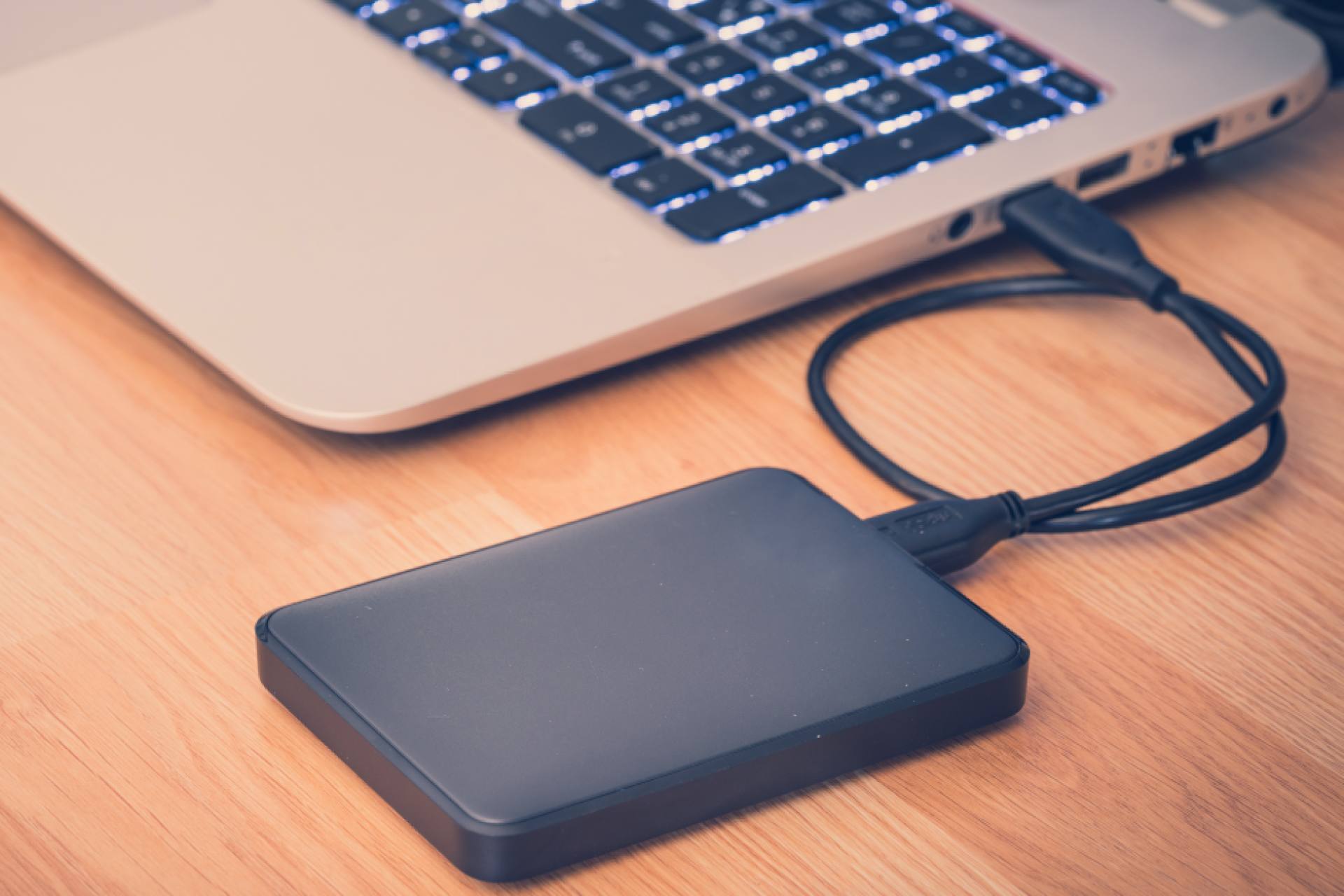
External hard disks move between homes, offices, and friends. That mobility makes them a favorite attack path. One bad file can hop from a café PC to your work laptop in seconds.
USB malware spreads fast. It often hides in archives, scripts, or fake documents. Some strains try to auto-run when you connect a disk. Others wait and launch later to dodge simple checks.
I have seen ransomware jump from a shared drive to three laptops in one afternoon. Everyone had antivirus, but none set rules for removable media. An antivirus for external hard disk closes that gap with the right settings.
Attackers also target firmware and partitions. They may create hidden volumes or booby-trapped shortcuts. That is why deep scanning and device control are key.

How an antivirus for external hard disk works
Good tools protect at connect time. They watch new devices, scan new or changed files, and stop threats before they copy.
They use several layers:
- Signature checks match known malware fast.
- Heuristics and behavior rules catch new or changed threats.
- Machine learning can flag risky files by traits, not just names.
- Cloud lookups improve accuracy without huge updates.
Real-time protection is your seatbelt. On-demand scans are your tune-up. You need both when you rely on an antivirus for external hard disk.
Many tools also block autorun and script abuse. They can scan archives before you unzip. Some add ransomware controls that watch for mass file edits.
Features to look for in an antivirus for external hard disk
Pick tools that treat removable media as a first-class risk. These features help most:
- Auto-scan on connect Scan starts the second your drive mounts.
- Removable media policy Set rules by device type, user, or network.
- Write protection Assist with OS policies or prompt for read-only access.
- Archive and script scanning Inspect ZIP, RAR, ISO, LNK, and macro files.
- Ransomware rollback Restore changed files if something slips through.
- Device control Allow only approved drives or block unknown devices.
- Cross-platform support Use one policy for Windows, macOS, and Linux.
- Low impact Fast scans and smart caching for big drives.
- Offline updates Keep protection when you travel or work air-gapped.
- Clear logs and alerts Easy to see what was blocked and why.
An antivirus for external hard disk should also support scheduled deep scans. You can run those at night or when the drive is idle.

Smart habits that boost your protection
Tools help, but habits seal the deal. These steps have saved me more than once.
- Enable scan on connect in your antivirus settings. This makes every new drive get checked.
- Use read-only or write-protect toggles when importing files. Many external SSDs and USB sticks offer it in software.
- Keep firmware and drivers up to date. Old USB controllers can cause scan errors.
- Use encryption like BitLocker To Go or VeraCrypt. If a drive is lost, your data is still safe.
- Follow 3-2-1 backups. Three copies, two media types, one off-site or cloud.
- Don’t run files from the drive. Copy, scan, then open.
- Turn off OS autorun and autoplay. It shuts down a classic attack path.
- Label drives and keep an inventory. Shadow drives cause shadow problems.
I once found a worm on a client’s archive disk. We paused, cloned the drive, scanned the clone, and recovered clean data. That plan avoided panic and data loss. An antivirus for external hard disk plus calm steps made the day.

Real-world testing you can do at home
You do not need a lab to test defenses. A few safe checks go a long way.
- Use the EICAR test file. It is a harmless test file that should trigger a clean alert.
- Create a “honey” folder. Drop known safe but varied files to test scan speed and depth.
- Time scans on small and large drives. Note impact on CPU, RAM, and battery.
- Check logs for detail. You want clear reasons for each block.
- Track false positives. Good tools let you whitelist clean files fast.
If your tool misses the EICAR test on a removable drive, fix settings at once. Your antivirus for external hard disk should pass that check.

Recommended setups for different users
I’ve set up many stacks for home, creators, and small teams. These mixes work well:
For Windows users
- Use built-in Microsoft Defender with removable media scanning on.
- Add a second-opinion on-demand scanner for monthly deep scans.
- Use BitLocker To Go for encryption on portable drives.
For macOS users
- Use a reputable macOS AV with USB auto-scan and archive scanning.
- Disable autoplay and restrict new USB accessories.
- Use FileVault and scan Time Machine drives before restore.
For Linux users
- Run a known Linux scanner for on-demand checks of external drives.
- Use udev rules to trigger scans on mount.
- Mount unknown drives read-only first.
For small businesses
- Choose an endpoint suite with device control and central policy.
- Enforce scan on connect and block unknown USB by default.
- Keep a clean-room PC for risky imports and recovery.
Keep it simple and clear. Your antivirus for external hard disk should fit your devices and your budget.
Troubleshooting common problems
Scan never starts when I plug in a drive
- Turn on removable media scanning in settings.
- Check that the antivirus service has device access rights.
- Update the antivirus and the OS.
Scanning is too slow on large disks
- Enable smart or cached scanning. It skips unchanged files.
- Break scans into folders. Start with recent or risky areas.
- Exclude large, known-safe archives you never run.
Drive shows clean, but threats return
- Reset autorun settings and remove hidden LNK files.
- Scan on another machine to rule out host infection.
- If needed, back up clean files, reformat, and restore.
Encrypted or Mac-formatted drives do not scan on Windows
- Install drivers for APFS or ext4 read-only access.
- Use a platform that can scan both file systems safely.
- Mount read-only, copy to a staging area, then scan.
Conflicts with another security tool
- Avoid two real-time engines at once. Keep one active.
- Use one for real-time and the other for on-demand checks.
These steps keep your antivirus for external hard disk working smoothly.
Privacy, performance, and safety trade-offs
Security should not spy on you or slow you down. A balanced setup helps.
- Review telemetry settings. Opt out of extra data where possible.
- Use exclusions for large, immutable folders. Keep them out of real-time scans.
- Turn on PUA/PUP detection to catch adware and risky tools.
- Schedule deep scans when you are away from the keyboard.
- Read the vendor’s transparency and audit reports if available.
Your antivirus for external hard disk should be clear about what it scans, what it shares, and how to control it.
Frequently Asked Questions of antivirus for external hard disk
Do I really need an antivirus for external hard disk if I’m careful?
Yes. Even careful users can plug into an infected device by mistake. An extra layer catches risks you cannot see.
Can I use free tools for external drive protection?
Yes, many free tools work well with proper settings. Add a second-opinion scanner and good habits to raise your safety.
How often should I scan an external hard disk?
Scan on every connect and run a deep scan weekly if you use it often. Before sharing the drive, run one more check.
Will antivirus slow down my external hard disk?
A little, but smart scanning reduces impact. Use cached scans, schedule deep scans, and exclude large, known-safe archives.
What if antivirus keeps deleting files I need?
Check the logs, then submit the file for review and whitelist if clean. Keep backups so you can restore without risk.
Can malware hide from scans on my external drive?
Some try with encryption or hidden partitions. Use deep scanning, disable autorun, and if needed, copy to a staging area and scan again.
Is encryption enough without antivirus?
No. Encryption protects data at rest, not against malware. You still need an antivirus for external hard disk to block threats.
Conclusion
External drives are handy, but they widen your attack surface. With the right antivirus for external hard disk, smart settings, and a few steady habits, you can move files with confidence. Start today: enable scan on connect, turn off autorun, and run a deep scan of your go-to drives. If you found this useful, share it with a friend, subscribe for more practical security guides, or leave a question and I’ll help you dial in your setup.