Have you ever wondered how SaaS software makes its way from a developer's desk to your fingertips? Understanding the distribution of Software as a Service (SaaS) can unlock a world of convenience and efficiency for your business or personal use.
Imagine accessing powerful software tools without the hassle of downloads, installations, or cumbersome updates. That's the magic of SaaS. But how does it work behind the scenes? We’ll unravel the mystery of SaaS distribution, showing you why this model is revolutionizing the way software is delivered and used.
How is SaaS software distributed? It’s delivered through the cloud, offering easy access, flexible subscriptions, and scalable solutions for businesses worldwide.
You’ll discover how it not only saves you time and resources but also empowers you to stay ahead in a rapidly evolving digital landscape. Get ready to see how SaaS software distribution can transform your interaction with technology, making it more seamless and intuitive than ever before.
Cloud-based Distribution
Cloud-based distribution has changed how SaaS software reaches users. It offers a flexible and scalable solution for businesses. Software is hosted on remote servers and accessed via the internet. This eliminates the need for physical storage or hardware installations. Let's explore the benefits of cloud platforms and major service providers.
Benefits Of Cloud Platforms
Cloud platforms offer several key advantages. Users can access software anytime, from anywhere. This flexibility supports remote work and mobile access. Automatic updates keep software current without user intervention. Scaling resources is easy and quick, matching business demands. Cost savings are significant. Businesses only pay for what they use, reducing expenses.
Major Cloud Service Providers
Several providers dominate the cloud service market. Amazon Web Services (AWS) is a leading choice. It offers a wide range of services and global reach. Microsoft Azure is another major player. It integrates well with existing Microsoft products. Google Cloud Platform (GCP) stands out for its data analytics capabilities. Each provider offers unique features and pricing models. Choosing the right one depends on business needs and goals.
Subscription Models
SaaS software is delivered through subscription models, allowing users to access applications online without installing them. This approach offers flexibility, ensuring users pay only for what they need. Subscription models simplify updates, providing automatic enhancements and security improvements.
The distribution of SaaS software often revolves around subscription models, which play a crucial role in how you access and use these digital services. Unlike traditional software that requires a one-time purchase, SaaS subscriptions offer flexibility and scalability, making them appealing to both businesses and individuals. But how do you choose the right plan for your needs? Let's dive into the different subscription models and see how they can fit into your workflow.
Monthly Vs. Annual Plans
Monthly and annual subscription plans are the most common options you’ll encounter. Monthly plans offer flexibility, allowing you to pay as you go and cancel whenever you decide the service no longer serves your needs. It’s perfect if you want to test a service without a long-term commitment. On the other hand, annual plans often come with a discount, saving you money in the long run. However, they require a commitment upfront. Which one aligns with your needs? If you're planning for a short-term project, monthly might be the way to go. But if you foresee a long-term use, an annual plan could be more cost-effective.
Freemium And Tiered Pricing
Freemium models offer a basic version of the software for free, allowing you to explore the core features at no cost. This can be a fantastic way to get a feel for the service before committing to a paid plan. But how much value can you derive from a free version? Often, advanced features are locked behind a paywall, encouraging you to upgrade once you’re hooked.
Tiered pricing, on the other hand, gives you options based on your needs and budget. You can start with a basic tier and move up as your requirements grow. It’s akin to choosing a mobile plan: do you need the basics, or are you looking for unlimited data? Assess your needs and budget carefully. The right tier can save you money while providing the necessary features to boost your productivity.
Choosing between these subscription models boils down to understanding your unique needs and how you plan to use the software. Are you ready to commit, or do you need flexibility to adapt as you grow? Each model has its benefits and drawbacks, and your decision can significantly impact how you leverage SaaS solutions.
Direct Sales Channels
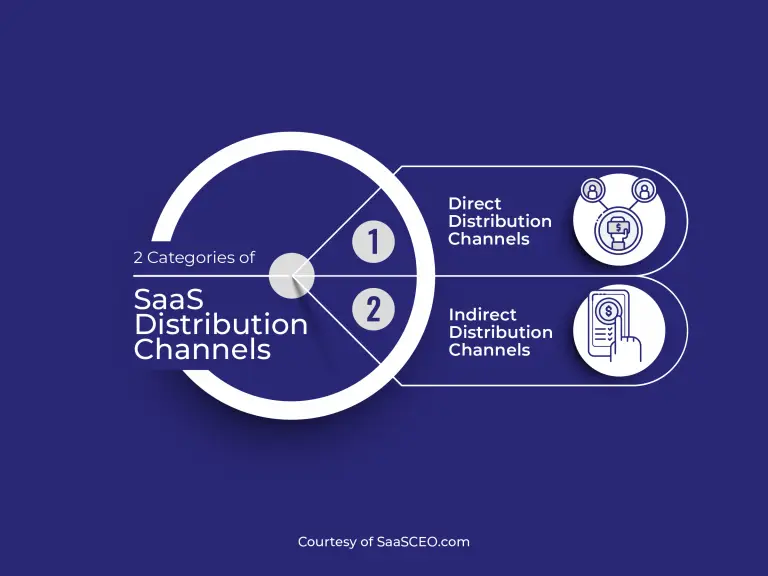
Direct sales channels are pivotal in the SaaS distribution landscape. They allow companies to engage directly with customers, providing personalized experiences and tailored solutions. These channels are crucial for building strong relationships and ensuring customer satisfaction. Let's dive into how SaaS providers utilize two main direct sales channels: online marketplaces and company websites.
Online Marketplaces
Online marketplaces are bustling hubs where SaaS products shine. Platforms like AWS Marketplace or the Shopify App Store offer a vast audience eager to discover new software solutions. Imagine browsing through a virtual store, where SaaS products are neatly categorized, making it easy for potential customers to find what they need.
These marketplaces provide excellent visibility, tapping into established customer bases. They often feature user reviews and ratings, which can be a powerful tool for gaining trust. You might be wondering, how do SaaS companies stand out in such a crowded space?
It’s all about strategic positioning. Clear product descriptions and unique selling points can make a significant difference. Companies often offer free trials or demos, enticing users to experience the software firsthand. This hands-on approach can lead to higher conversion rates.
Company Websites
Your company website serves as a digital storefront. It's the place where you have complete control over your brand narrative and customer interaction. A well-designed website can be a game-changer in attracting and retaining customers.
Think about your last visit to a SaaS provider's website. Did the layout and information keep you engaged? Websites should offer easy navigation, detailed product information, and clear call-to-action buttons. These elements guide potential customers smoothly through the decision-making process.
Additionally, integrating live chat support can enhance user experience, providing immediate assistance and answering queries. Ever found yourself stuck on a decision due to lack of information? A responsive support system can be the key to resolving those doubts and securing a sale.
What makes your website stand out among competitors? Consider adding customer testimonials or case studies. These not only build credibility but also showcase real-world applications of your SaaS products. Engaging content and visuals can transform your website into a powerful sales tool.
Direct sales channels are not just about selling; they are about connecting. How are you leveraging these channels to create meaningful interactions with your audience? The answer to this question can shape the future of your SaaS distribution strategy.

Credit: devsquad.com
Partner And Reseller Networks
Partner and reseller networks play a key role in SaaS distribution. These networks help extend a company's reach and enhance customer relationships. They act as intermediaries, making software accessible to diverse markets. Understanding the dynamics of these networks is crucial for businesses aiming to expand their presence.
Strategic Partnerships
Strategic partnerships involve collaboration between SaaS companies and other businesses. These partnerships enhance product offerings and reach wider audiences. By aligning with complementary businesses, SaaS providers can tap into new customer bases. They also benefit from shared resources and expertise, boosting efficiency.
Partnerships often include co-marketing and joint product development. These efforts lead to improved solutions for end-users. Trust and mutual benefits form the foundation of successful partnerships. Companies must choose partners wisely to ensure alignment of goals and values.
Value-added Resellers
Value-Added Resellers (VARs) take existing SaaS products and enhance them. They add unique features or services to meet specific customer needs. VARs offer customization, integration, and support services. This approach increases the product's appeal and usability.
Resellers often have in-depth knowledge of local markets. They understand customer preferences and can tailor solutions accordingly. This makes them valuable allies in SaaS distribution. By working closely with VARs, SaaS companies can provide better service and support.
Application Programming Interfaces (apis)
Application Programming Interfaces (APIs) play a crucial role in SaaS software distribution. They act as bridges between different software applications, enabling them to communicate seamlessly. APIs allow developers to integrate various functionalities without building everything from scratch. They simplify processes and enhance user experience by connecting different systems efficiently. APIs are essential for modern software solutions, making them vital for businesses seeking flexibility and scalability.
Integration With Third-party Tools
APIs facilitate integration with third-party tools easily. Businesses use various software applications to manage operations. APIs help connect these tools with SaaS solutions, ensuring smooth workflows. Integration reduces time spent switching between systems. It enhances productivity by automating tasks across platforms. APIs support diverse integrations, from marketing tools to payment gateways. This connectivity improves overall efficiency.
Custom Solutions For Enterprises
Enterprises often require custom solutions to meet unique needs. APIs provide the flexibility to tailor SaaS software accordingly. Companies can develop specific functionalities using APIs. This customization ensures software aligns with business objectives. APIs enable enterprises to create bespoke applications. They adapt quickly to changing demands, offering scalable solutions. This adaptability is key for enterprise growth.
Mobile App Distribution
In today's digital age, mobile app distribution is a key component of SaaS software distribution. You might wonder how your favorite apps appear on your phone or tablet. The process is complex yet fascinating, ensuring that apps reach users seamlessly. Let's dive into the world of mobile app distribution and discover how apps are optimized and made available across multiple platforms.
App Store Optimization
App Store Optimization (ASO) is crucial for making your app visible to potential users. Just like you might optimize a website to rank higher in search engine results, apps need to be fine-tuned to stand out in app stores. This involves using keywords effectively, crafting engaging descriptions, and choosing the right icons.
Imagine scrolling through an app store; what makes you click on one app over another? A catchy title and compelling visuals play a major role. You can improve your app's ranking by focusing on user reviews and ratings. Encourage users to leave positive feedback, as this can influence new users to download your app.
Think about your favorite app. Was it easy to find? ASO is the strategy behind that accessibility. It's a continuous process, requiring regular updates and monitoring to keep your app relevant and visible.
Cross-platform Availability
Cross-platform availability means your app can be used on various devices and operating systems. Consider how convenient it is to access the same app on both your Android phone and iPad. This flexibility is essential for reaching a wider audience.
Developers often use tools like React Native or Flutter to build apps that work seamlessly across platforms. This ensures that you, the user, have a consistent experience, regardless of the device you're using. It also reduces development time and costs, making it easier to update and maintain the app.
Have you ever switched from one device to another and expected your favorite app to function the same way? That's the power of cross-platform availability. It fosters user loyalty by offering a seamless experience, encouraging users to stay engaged with the app.
Consider how many apps you interact with daily. Have you ever thought about the journey they take to reach you? Understanding mobile app distribution helps you appreciate the effort behind each app's presence on your device.
Security And Compliance Considerations
Security and compliance are crucial considerations when distributing SaaS software. With the growing reliance on cloud-based solutions, safeguarding data and adhering to regulations have become paramount. You must ensure that your software is not just functional but also secure and compliant. This involves implementing robust data protection strategies and ensuring regulatory compliance.
Data Protection Strategies
Protecting data is a top priority. Think about encryption as your first line of defense. Encrypt sensitive information both in transit and at rest. This way, even if data is intercepted, it remains unreadable.
Access control is another vital strategy. Implement role-based access controls to ensure users only have access to necessary data. It's like having a key to specific rooms in a house, ensuring privacy and security.
Regular audits can help you identify vulnerabilities. They act as a health check for your software, ensuring that your security measures are effective and up-to-date. Have you ever been surprised by a minor issue that turned out to be crucial during an audit?
Regulatory Compliance
Compliance is about following rules. Familiarize yourself with regulations like GDPR, HIPAA, or CCPA, depending on your target market. These regulations guide how you handle user data.
Documentation is essential. Maintain clear records of your compliance practices. This not only helps in audits but also builds trust with your users. Wouldn't you feel more secure knowing a company is transparent about its data practices?
Stay informed about changes in regulations. Compliance is not a one-time task but a continuous process. Subscribe to industry newsletters or join forums to keep yourself updated. How do you stay ahead of regulatory changes?
Security and compliance in SaaS are not just technical requirements; they're about building trust and confidence in your product. By prioritizing these aspects, you not only protect your users but also strengthen your business reputation. Are you ready to take your SaaS software to the next level?
Credit: www.saasceo.com
Customer Support And Engagement
Customer support and engagement play a crucial role in SaaS distribution. They ensure users have a smooth experience with the software. These elements help build trust and loyalty. Good customer support can set a SaaS provider apart from competitors.
User Training And Onboarding
Effective user training is essential for SaaS success. Training sessions help users understand the software's features. Onboarding introduces users to the platform step-by-step. This process reduces confusion and enhances user satisfaction. Clear guides and tutorials can make a big difference.
Feedback And Continuous Improvement
User feedback is vital for SaaS providers. It helps identify areas for improvement. Providers should actively seek feedback from users. This can be through surveys or direct communication. Continuous improvement keeps the software relevant and efficient. Listening to user needs ensures long-term success.
Credit: www.binadox.com
Frequently Asked Questions
Is Saas Software Distributed?
Yes, SaaS software is distributed through cloud-based platforms. Users access it via the internet, eliminating the need for physical distribution. This allows for easy updates and scalability, ensuring users always have the latest version. SaaS models offer flexibility and efficiency, appealing to businesses of all sizes.
What Is Distribution In Saas?
Distribution in SaaS refers to delivering software services over the internet. Providers host applications on their servers, allowing users to access them online. This model eliminates the need for physical installation, offering flexibility and scalability. Efficient distribution ensures seamless user experiences, boosting customer satisfaction and retention.
What Is The 3 3 2 2 2 Rule Of Saas?
The 3 3 2 2 2 rule of SaaS prioritizes customer experience. It suggests three 3-second load times, two 2-hour response times, and two 2-day resolution times. This approach enhances user satisfaction by ensuring quick service delivery and efficient customer support, leading to better retention and engagement.
How Are Saas Products Deployed?
SaaS products are deployed via cloud-based platforms. Users access them through web browsers or dedicated apps. Providers handle updates, maintenance, and scaling. Deployment involves setup on cloud infrastructure, configuring settings, and integrating with existing systems. This ensures seamless user experience and efficient resource management.
Conclusion
SaaS software distribution simplifies access for users worldwide. It ensures convenience and efficiency. Users enjoy easy installation and seamless updates. Businesses save money on hardware and maintenance. Security is enhanced with regular updates. Collaboration becomes easier with cloud-based applications. This model adapts to different needs effortlessly.
It offers flexibility in scaling resources. SaaS supports growth without extra costs. Users benefit from a wide range of applications. It transforms how software is used and shared. Embracing SaaS can lead to improved productivity and innovation. Consider this model for its ease and accessibility.