Start early with warm talk, play, routines, and rich reading every day.
If you want to know how to build early academic foundation, start with daily habits that grow the brain. I coach families and teachers on how to build early academic foundation through simple, research-backed routines. This guide shares what works, why it works, and how to apply it at home and school in a calm, practical way.
Why the early years set the stage
A child’s brain grows fast in the first years. Strong ties, rich talk, and safe play shape this growth. Big studies show that early language, play, and steady care predict later reading and math. If you wonder how to build early academic foundation, you start by shaping the daily world around your child.
I have seen shy toddlers bloom when a parent adds five minutes of picture talk each night. It is not magic. It is many tiny steps done with care.

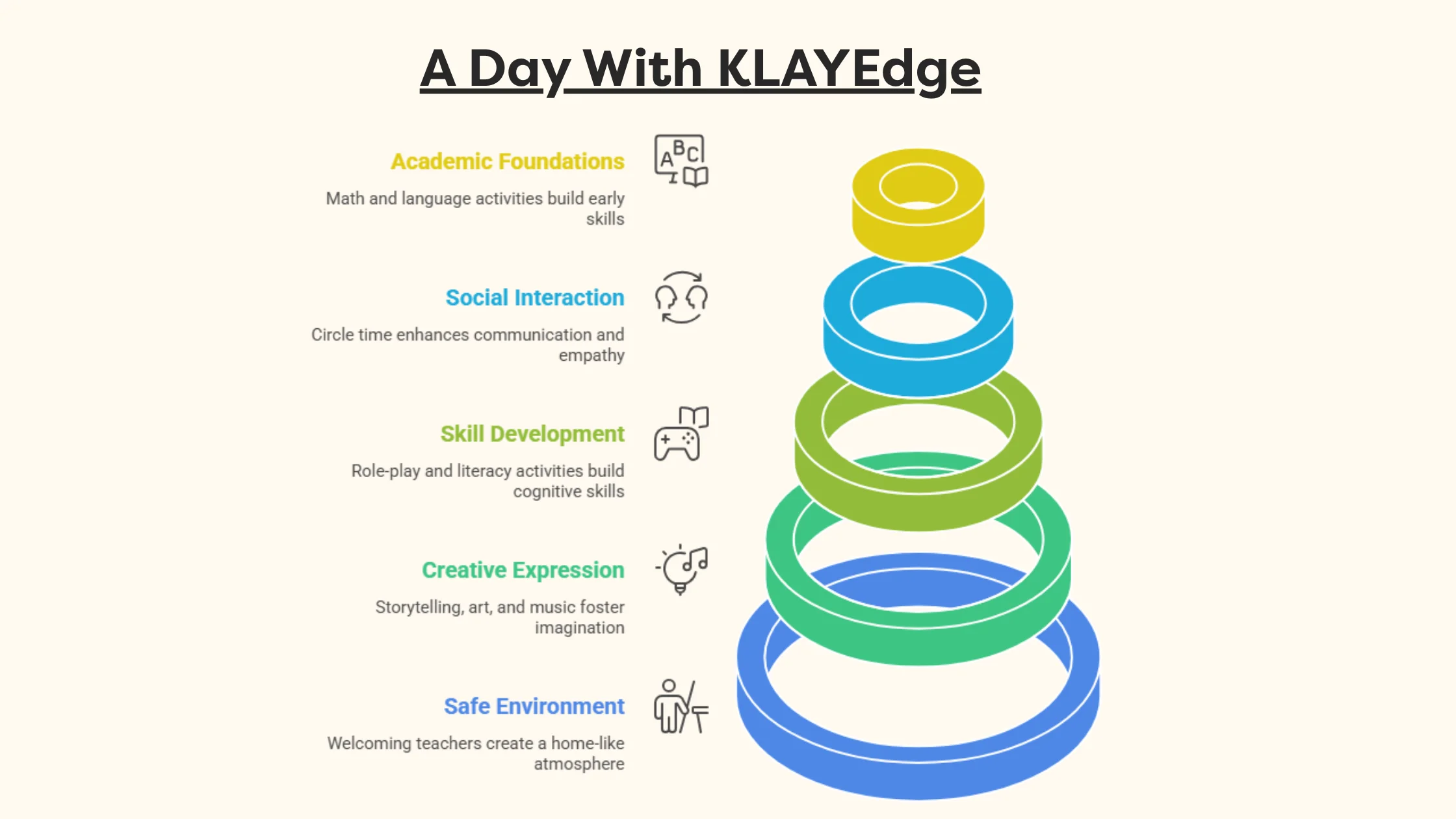
The core pillars of a strong foundation
Think of early learning like a sturdy table. Each leg matters.
- Warm relationships build trust and curiosity. Children learn more when they feel safe.
- Language and literacy skills grow through talk, songs, and many books.
- Early math blooms with sorting, counting, and shapes in daily life.
- Executive function helps kids plan, focus, and control impulses.
- Health, sleep, and movement fuel focus and memory.
- Play links it all. It turns ideas into hands-on skill.
When you ask how to build early academic foundation, focus on these pillars first. Build them bit by bit.
A simple step-by-step plan for home
Small, steady steps beat long, rare lessons. Here is a plan that fits real life.
Daily 15-minute habits:
- Morning chat: Ask one open question at breakfast. Wait and listen.
- Read aloud: Ten minutes, same time each day. Point to words and pictures.
- Math in life: Count steps, snacks, or socks. Talk about “more” and “less.”
- Move and reset: Two quick movement breaks. Jump, stretch, breathe.
- Clean up together: Sort toys by type or color. Name groups out loud.
Weekly boosts:
- Library trip: Let your child pick two books. Add one new topic.
- Game night: Play simple board games. Practice turn-taking and focus.
- Nature walk: Collect leaves or rocks. Compare size and shape.
- Create day: Build with blocks or boxes. Tell the story of the build.
If you want to know how to build early academic foundation without stress, protect these short blocks. They add up fast.

Language and literacy that stick
The heart of early learning is language. Rich talk feeds reading and writing later.
- Talk at eye level. Use simple words, then add one new word.
- Do dialogic reading. Ask who, what, where, and why as you read.
- Play with sounds. Clap syllables. Find words that rhyme.
- Build a print-rich home. Labels, lists, and a cozy book spot help.
- Tell family stories. Children learn sequence, cause, and meaning.
In my work, thirty days of nightly picture talk lifted a four-year-old’s word skills. If you ask how to build early academic foundation, start by turning every book into a warm chat.

Early math and logic made easy
Math grows in daily moments. You do not need a workbook.
- Count real things. Steps, peas, toy cars.
- Sort and compare. Bigger, smaller, heavier, lighter.
- Spot patterns. Stripe, dot, stripe, dot. What comes next?
- Use math words. First, next, last. More, fewer, equal.
- Play with shapes. Build with blocks. Rotate pieces to fit.
Board games support number sense and attention. This is a calm way to work on how to build early academic foundation through play.

Build focus and self-control (executive function)
Focus, memory, and self-control drive school success. You can train them like muscles.
- Play games that need waiting. Simon Says, Red Light Green Light.
- Use short, clear steps. “First shoes. Then backpack.”
- Try mindful breaths. Smell the flower. Blow the candle.
- Practice planning. Ask, “What do we do first?” Let your child lead.
- Give simple chores. They build working memory and pride.
In class visits, I have watched a two-minute breathing game settle a restless group. If you want how to build early academic foundation, add one small focus game each day.

The role of play and curiosity
Play is not a break from learning. It is the engine. Curiosity pulls skill like a magnet.
- Free play lets kids test ideas with low risk.
- Guided play adds a goal. “Let’s build a bridge that holds three books.”
- Pretend play builds language and empathy.
- Outdoor play boosts problem-solving and mood.
Avoid packing every minute with tasks. If you ask how to build early academic foundation, protect unstructured time. That is where deep thinking blooms.
Healthy body, ready brain: sleep, food, movement
Sleep locks in memory. Food fuels focus. Movement primes the brain.
- Sleep: Aim for a steady bedtime. Young children need many hours each night.
- Food: Offer protein, fiber, and healthy fats. Iron and omega-3s support growth.
- Water: Dehydration can look like poor focus.
- Movement: Several short bursts each day improve learning.
This is simple science and daily care. It also answers how to build early academic foundation from the inside out.
Smart screen use and tech literacy
Screens can help or harm. Use them with intent.
- Co-view when you can. Talk about what you watch.
- Choose active, high-quality apps. Create, not just swipe.
- Set clear limits. Protect sleep and play.
- Link screen ideas to real life. Try a recipe or a craft next.
My rule is show, do, tell. If you ask how to build early academic foundation in a digital age, guide your child to make and explain, not just watch.
Partnering with schools and caregivers
You do not have to do this alone. Teamwork lifts results.
- Share goals with teachers and caregivers. Ask for one focus skill.
- Use short notes or a quick voice memo. Keep the loop tight.
- Ask for simple progress checks. A weekly thumbs-up is enough.
- Seek support early if you worry. Early help works best.
Many families ask me how to build early academic foundation when time is tight. The answer is to align your home habits with what school does.
Measure growth without pressure
Track growth to guide next steps, not to judge.
- Keep a simple portfolio. Add drawings, letters, or number notes.
- Notice effort. Praise trying, not only results.
- Use short, playful checks. Can your child clap syllables? Sort by size?
- Adjust the plan. Add one new challenge, keep past wins.
This gentle loop helps you see how to build early academic foundation while keeping joy front and center.
Common mistakes to avoid (and what to do instead)
Avoid pressure and quick fixes. Choose steady, kind steps.
- Over-teaching letters too soon. Do sound play and book talk first.
- Too much screen time. Swap in hands-on play and chats.
- Skipping sleep. Protect bedtime like a class.
- Ignoring behavior cues. Melt-downs often mean hunger, tiredness, or stress.
- No free play. Leave space for creative work.
When parents ask how to build early academic foundation fast, I remind them: slow is smooth, and smooth is fast.
Toolkits and simple resources
You do not need fancy tools. A small set works best.
- Basic home library. Picture books, alphabet books, and simple nonfiction.
- Open-ended toys. Blocks, play-dough, crayons, and magnets.
- Household “math lab.” Measuring cups, tape measure, sticky notes.
- Routine charts. Morning and bedtime steps with pictures.
- Conversation cards. Print prompts and keep them on the table.
This small kit supports how to build early academic foundation every day without stress.
Frequently Asked Questions of how to build early academic foundation
What age should I start building an academic foundation?
Begin from birth with talk, song, and routines. Add simple reading, play, and counting in the toddler years.
How much should we read each day?
Ten to fifteen minutes is a great start. Keep it warm and interactive rather than long.
Do I need special apps or programs?
No. Real talk, books, blocks, and daily routines do the heavy lifting. Use apps as a small add-on.
How do I keep my child motivated?
Follow their interests and give choices. Praise effort, not just results, and keep tasks short.
What if my child is behind?
Stay calm and build small, steady habits. Ask your teacher or a specialist for screening and targeted help.
How can busy parents fit this in?
Stack habits onto routines you already do. Read during snacks, count during cleanup, and talk in the car.
Does bilingual exposure slow language?
Research shows two languages do not delay language. It often brings long-term attention and flexibility gains.
Conclusion
A strong start comes from small steps done with care. Warm talk, joyful reading, simple math in daily life, steady sleep, and time to play build deep skills that last. You now know how to build early academic foundation with clear, calm habits.
Pick one idea today and try it for seven days. Watch for a tiny win, then add one more step. Want more guides and tools? Subscribe, share this with a friend, or leave a question so I can help you plan your next move.