Ever wondered how software companies make their money? You might have heard the term "SaaS" tossed around in tech circles, but what does it really mean for sales?
Imagine unlocking a treasure chest of potential revenue, where traditional sales tactics meet a digital twist. If you're curious about how companies like Salesforce or Zoom drive their profits, then understanding SaaS sales is your golden ticket. You will discover the secrets behind the SaaS sales model and why it's revolutionizing the way businesses operate.
What are SaaS sales? It refers to selling software-as-a-service solutions through subscription models, focusing on customer value and long-term growth.
Whether you're a business owner looking to boost your sales strategy or someone eager to dive into the tech industry, this guide will equip you with the knowledge to navigate the dynamic world of SaaS sales.
Get ready to uncover the strategies that could transform your business approach and give you an edge in an increasingly competitive market. By the end, you'll not only grasp the concept of SaaS sales but also see how you can leverage it to your advantage. Are you ready to explore and potentially reshape your business future? Let's dive in!

Credit: bluebirdrecruitment.com
Saas Sales Essentials
SaaS sales play a crucial role in today's digital world. Many businesses now rely on SaaS solutions. Understanding SaaS sales essentials helps in navigating this dynamic field.
These essentials guide sales teams in achieving success. They provide a roadmap for selling software effectively.
Defining Saas Sales
SaaS stands for Software as a Service. It's a model where software is delivered over the internet. Customers access it through a subscription.
SaaS sales involve selling these software subscriptions. Salespeople focus on understanding customer needs. They present the software as a solution.
This sales approach differs from traditional software sales. There is no physical product to sell. Everything happens online. It's a fast-paced and evolving field.
Key Characteristics
SaaS sales have unique characteristics. One is the focus on customer relationships. Long-term relationships are crucial for recurring revenue.
Another characteristic is the product's continuous updates. Sales teams must stay informed about new features. This helps in providing accurate information to clients.
Lastly, SaaS sales rely heavily on data. Salespeople use analytics to understand customer behavior. This data-driven approach aids in improving sales strategies.
Market Trends
Understanding market trends is crucial in SaaS sales. Companies need to adapt to changes. Trends help identify opportunities and challenges in this dynamic sector. Let's delve into the current landscape and future projections of SaaS sales.
Current Landscape
SaaS sales have witnessed significant growth recently. Businesses are embracing cloud-based solutions. Many prefer subscription models over traditional software. This shift provides flexibility and scalability. Companies save costs with SaaS options. It offers easy access and updates without hassle.
Customer expectations are evolving rapidly. They demand personalized experiences and seamless integrations. The competition in the SaaS market is fierce. Many new players are entering the field. Established companies are innovating to stay relevant. The focus is on user-centric designs and enhanced functionality.
Future Projections
Future trends in SaaS sales look promising. Artificial intelligence will play a key role. It will enhance automation and analytics. Predictive tools will offer valuable insights. Data security will remain a top priority. Companies will invest in robust security measures. Mobile accessibility will continue to grow.
Customers want solutions available on-the-go. Integration with IoT devices will increase. Subscription-based models will expand further. Customization options will become more prevalent. Businesses will seek tailored solutions. Collaborative platforms will gain traction. Remote work tools will remain popular. The SaaS market is evolving quickly.
Customer Journey
The customer journey is essential in SaaS sales. It maps the path a customer takes from first contact to purchase. Understanding each stage helps tailor strategies for better results. Here, we explore the stages of this journey: Awareness, Consideration, and Decision.
Awareness Stage
In the awareness stage, potential customers first hear about your product. They may find you through ads, blogs, or social media posts. This stage is about creating brand visibility. Effective SEO strategies increase your reach. Content must be informative and relevant. It should address common pain points and offer solutions. This helps build interest and trust.
Consideration Stage
Once aware, customers enter the consideration stage. Here, they compare your product with competitors. They seek detailed information about features and benefits. Customer reviews and case studies are vital now. They provide social proof and insights. It's important to highlight unique selling points. Make sure your content is clear and concise. Answer common questions and concerns.
Decision Stage
In the decision stage, customers are ready to buy. They need reassurance before finalizing their choice. Product demos and free trials can be persuasive. Offer easy-to-understand pricing options. Make the purchasing process smooth and straightforward. Provide excellent customer support and follow-up. This ensures a positive buying experience.
Lead Generation Techniques
Lead generation in SaaS sales plays a crucial role in driving revenue. Businesses seek effective ways to attract potential customers. Two main strategies exist: inbound and outbound. Each offers unique advantages. Understanding these methods can enhance your sales efforts.
Inbound Strategies
Inbound strategies focus on attracting customers through valuable content. Blogs, webinars, and social media posts draw interested individuals. These methods create awareness and trust in your brand. Engaging content answers customer questions and solves their problems. This approach builds long-term relationships.
SEO is vital for inbound strategies. Optimized content helps potential customers find your business. Use relevant keywords in your content. This increases visibility in search engines. Another technique is offering free resources. Ebooks or guides can capture leads. Always provide value to your audience.
Outbound Strategies
Outbound strategies involve reaching out to potential customers directly. Cold emails, calls, and targeted ads are common tactics. These methods proactively introduce your product to prospects. Personalization is key in outbound efforts. Tailored messages resonate more with the audience.
Networking events and trade shows also fall under outbound strategies. These events offer face-to-face interaction with potential clients. Building connections at these events can lead to valuable partnerships. Outbound efforts require persistence and a well-structured plan. Regular follow-ups can convert leads into sales.
Sales Funnel Optimization
Optimizing your sales funnel is crucial for SaaS sales success. Each stage of the funnel requires unique strategies to ensure prospects smoothly transition from awareness to conversion. By focusing on top-of-funnel, middle-of-funnel, and bottom-of-funnel activities, you can maximize your sales potential and improve customer acquisition.
Top-of-funnel Activities
At the top of the funnel, your goal is to attract and educate potential customers. Consider using engaging content like blog posts, social media updates, and webinars to draw attention. Share stories that resonate with your audience. Once, I shared a simple case study in a webinar that unexpectedly boosted registrations. This shows that authenticity can drive interest.
Think about what makes your SaaS product unique. Highlight features that solve a common problem. Are you addressing a pain point everyone faces? Your content should prompt readers to think, "This is exactly what I need!"
Middle-of-funnel Activities
In the middle of the funnel, prospects need nurturing. Use personalized emails and informative demos to build trust. Don't just pitch; provide value. I once received an email that offered a free trial and detailed user guide, which made me feel supported and ready to explore further.
Consider offering tailored solutions based on prospect interactions. Track their behavior to understand what they're looking for. Are they repeatedly checking a specific feature? Address it directly in your communications.
Bottom-of-funnel Activities
At the bottom of the funnel, it's time to close the deal. Make your call-to-action clear and compelling. Offer incentives like discounts or exclusive features for immediate sign-up. I once closed a sale after simply offering a personalized onboarding session. It made the prospect feel valued and ready to commit.
Ensure your checkout process is seamless. Are there unnecessary steps that could deter a prospect? Simplifying the process can significantly impact conversions. Consider this: if you were the customer, would you find the process straightforward?
Optimizing each stage of the funnel demands attention and creativity. What strategies will you implement to enhance your SaaS sales funnel?
Customer Relationship Management
Customer Relationship Managementin SaaS sales is the backbone of any successful business strategy. It’s the art of understanding and responding to your clients' needs, ensuring they're satisfied and loyal. In the fast-paced world of SaaS, where products are often similar, how you manage customer relationships can be the key differentiator. It's not just about selling a product; it's about building a partnership that lasts.
Building Trust
Trust is not given; it's earned. Imagine you're at a new restaurant. You hesitate before ordering because you're unsure of the taste and quality. Similarly, potential customers are initially cautious with new SaaS products. They need assurance that your solution will deliver on promises. How do you earn their trust? Offer free trials or demos, showcasing the real value of your product without a heavy commitment. Consistency in delivering results builds confidence over time.
Real-life example: Think about a time you were promised a quick fix, only to be disappointed later. Avoid this pitfall by being upfront about what your product can and cannot do. Honesty fosters credibility. When customers feel they can rely on your word, trust naturally follows.
Effective Communication
Communication is a two-way street. It's not just about what you say, but also how you listen. Are you actively engaging with your customers, or merely broadcasting information? Effective communication means understanding their needs and responding promptly. Use clear and concise language when explaining how your product solves their problems. Avoid jargon that might confuse or alienate them.
Consider asking yourself: Are you addressing their concerns or just pushing sales? Engage with customers through regular check-ins and feedback sessions. This not only demonstrates your commitment but also provides valuable insights into improving your service. Remember, effective communication strengthens relationships and turns transactions into partnerships.
In the dynamic world of SaaS sales, mastering customer relationship management is pivotal. By building trust and communicating effectively, you not only retain clients but also turn them into advocates for your brand. What steps will you take today to enhance your customer relationships?
Pricing Models
SaaS sales thrive on diverse pricing models. These models cater to various customer needs and preferences. Businesses choose pricing strategies that align with their goals. Pricing models impact how customers perceive value. They also influence purchasing decisions.
Subscription Plans
Subscription plans are popular in SaaS sales. Customers pay a recurring fee for access. These plans offer flexibility and predictability. Monthly or annual payments are common options. Some companies provide tiered plans. Each tier offers different features and benefits. This approach allows businesses to target different customer segments. Customers can choose plans that fit their budget and needs.
Freemium Models
Freemium models attract users with free access. Basic features are available at no cost. Users pay for advanced features or services. This model encourages users to try before buying. It helps build a large user base quickly. Companies can convert free users into paying customers. Freemium models leverage the power of word-of-mouth marketing. Users share their experiences and bring new users.
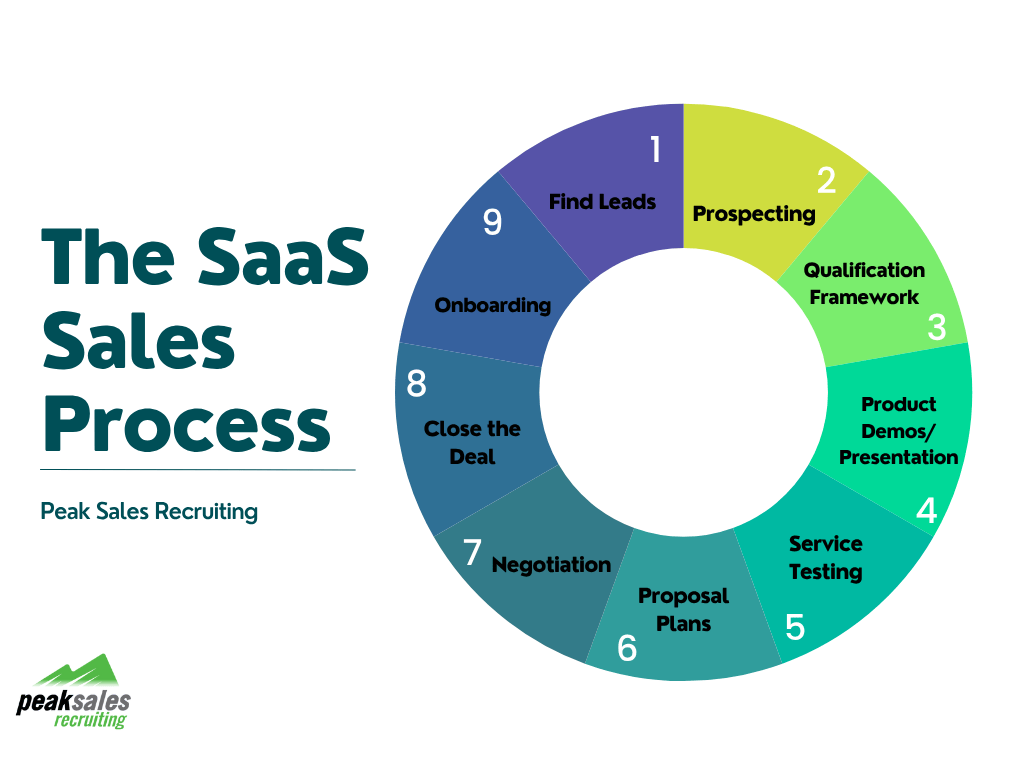
Credit: www.peaksalesrecruiting.com
Sales Tools And Technologies
SaaS sales involve selling software hosted online to businesses or consumers. These tools simplify processes, offering accessibility and cost efficiency. Ideal for companies seeking scalable solutions without managing physical infrastructure.
Sales tools and technologies are the backbone of any successful SaaS sales strategy. They streamline your processes, keep your team organized, and help you close deals faster. But what tools do you really need to boost your sales efforts? Let's dive into some essential technologies that can make a significant difference in your sales performance.
Crm Systems
CRM, or Customer Relationship Management, systems are crucial in managing your interactions with potential and existing customers. They help you track every stage of the sales process, from the first contact to the final handshake. Imagine having all your customer information in one place, easily accessible and up-to-date.
Using a CRM system, you can automate repetitive tasks, such as sending follow-up emails or scheduling calls. This frees up your time to focus on building relationships and closing deals. Have you ever forgotten to follow up with a lead? A CRM system ensures that never happens again, giving you peace of mind and increased efficiency.
Analytics Platforms
Understanding data is key to making informed decisions in SaaS sales. Analytics platforms provide valuable insights into your sales performance, customer behavior, and market trends. These insights can highlight what’s working and what needs improvement. By analyzing data, you can identify patterns and adjust your strategy accordingly.
For instance, if you notice that a particular feature attracts more users, you might focus on promoting that aspect. An analytics platform helps you see the bigger picture, but it also highlights the small details that could be costing you sales. Sales tools and technologies are not just about automation; they're about empowerment. They give you the power to work smarter, not harder. What tools are you using to make your sales process more efficient?
Team Dynamics
In SaaS sales, team dynamics play a crucial role in success. Each team member brings unique skills. Working together, they drive sales growth. A well-coordinated team achieves targets efficiently. Understanding team dynamics is vital for any sales strategy.
Roles And Responsibilities
Each member in a SaaS sales team has specific roles. Account executives close deals with customers. Sales development representatives find potential leads. Customer success managers ensure client satisfaction. Each role requires different skills and focus. Clear responsibilities help avoid confusion. It ensures smooth workflow and goal alignment.
Training And Development
Ongoing training is essential in SaaS sales. The market is always changing. New tools and techniques emerge regularly. Training keeps the team updated and ready. Development programs enhance skills. They boost confidence and performance. Learning opportunities attract top talent. Teams that grow together, succeed together.
Overcoming Challenges
SaaS sales come with their own set of challenges. Overcoming these hurdles is crucial for success. Each challenge requires a strategic approach. This section explores some common obstacles.
Handling Objections
Objections can arise at any stage of the sales process. Customers may have concerns about pricing. They might question the value of your service. Address these issues directly and confidently. Listen to your customer’s concerns carefully. Provide clear and honest answers. Use case studies and testimonials to build trust. Show how your solution benefits them. This helps turn objections into opportunities.
Competitive Market
The SaaS industry is crowded with competitors. Standing out is vital for gaining customers. Understand your competitors’ strengths and weaknesses. Highlight what makes your service unique. Offer features that solve specific problems. Provide excellent customer support. Stay updated with market trends and demands. This will help you offer relevant solutions. Continuously improve your product based on feedback. Keeping pace with innovation ensures you remain competitive.
Success Stories
Success stories in SaaS sales inspire and educate. Real-world examples show what works. They offer insights into overcoming challenges and achieving growth. Learning from others can guide your own strategy.
Case Studies
Case studies highlight successful SaaS sales journeys. For example, a small software company increased its revenue by 200%. It focused on customer needs and improved its product. Another company doubled its client base in one year. It used targeted marketing and personalized service.
These stories show the power of understanding your market. They demonstrate how strategic planning leads to growth. Each case study offers valuable lessons for new companies.
Lessons Learned
From these stories, several lessons emerge. First, customer focus is crucial. Knowing what your clients need drives sales. Second, adapting to market changes is key. Flexibility ensures long-term success.
Third, investing in technology pays off. Efficient systems help manage leads and improve service. Fourth, teamwork boosts results. Collaboration between sales and marketing enhances performance.
These lessons guide SaaS companies toward success. Applying them can refine your sales strategy.
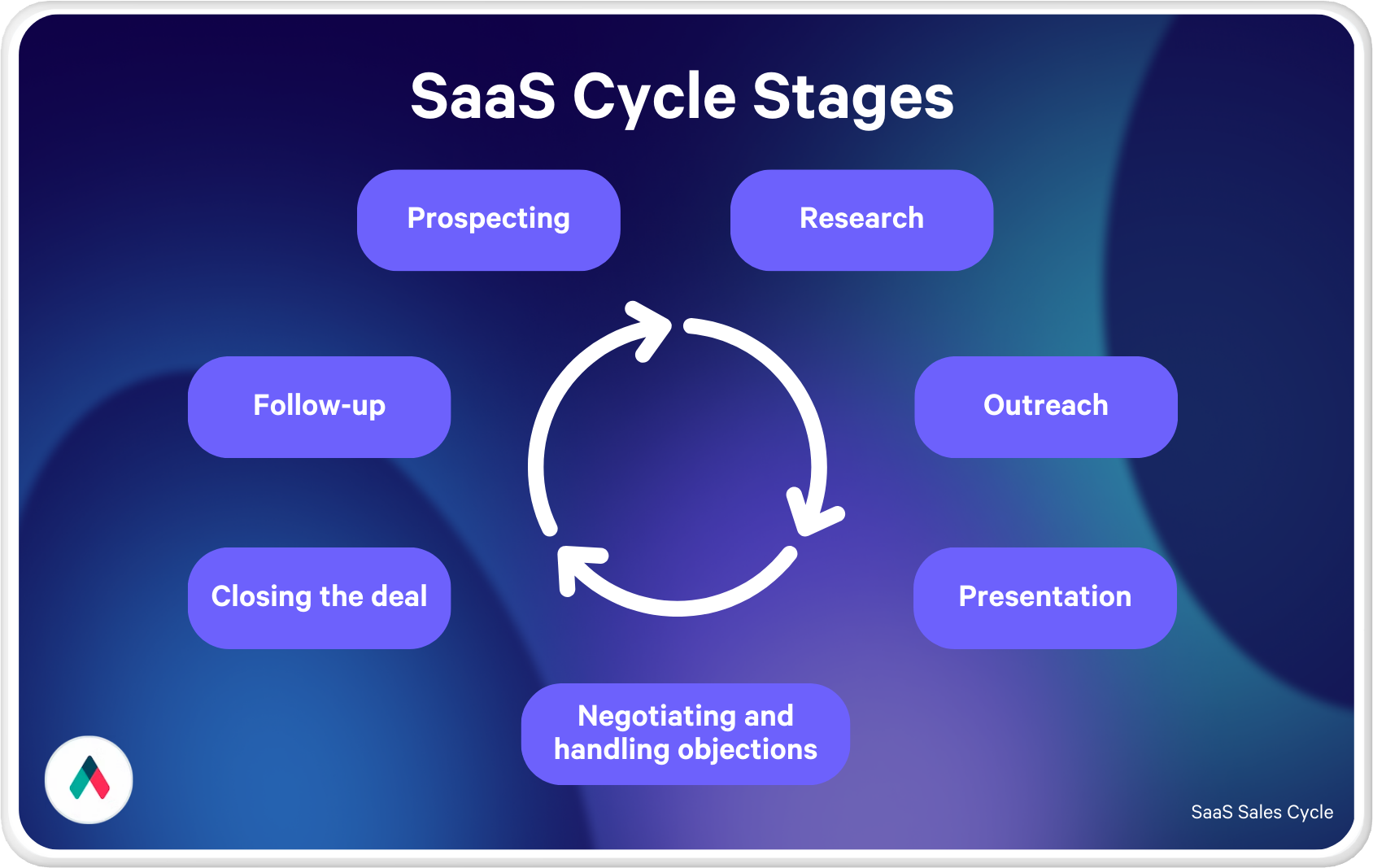
Credit: qwilr.com
Frequently Asked Questions
What Is Considered Saas Sales?
SaaS sales involve selling software hosted online, accessed via subscription, and delivered through the cloud. Sales reps focus on acquiring, retaining, and upselling customers. The goal is to demonstrate value, manage relationships, and drive revenue growth by offering scalable, flexible solutions for businesses.
What Is The 3 3 2 2 2 Rule Of Saas?
The 3 3 2 2 2 rule in SaaS refers to a strategic growth framework. It suggests targeting 300% growth in the first year, followed by 200% in the second, and maintaining 200% growth annually. This rule helps SaaS companies scale effectively and optimize their growth strategies.
Is Selling Saas Difficult?
Selling SaaS can be challenging due to market competition and customer acquisition costs. Understanding customer needs and offering value are crucial. Effective marketing strategies and a strong product can ease the process. Building trust and providing excellent customer support are essential for success in the SaaS industry.
What Skills Do I Need For Saas?
To excel in SaaS, develop skills in cloud computing, programming, data analysis, and customer service. Master project management, digital marketing, and cybersecurity. Emphasize adaptability and collaboration for team success. Stay updated with industry trends and emerging technologies.
Conclusion
SaaS sales offer unique opportunities for businesses. They streamline operations and enhance customer experiences. Understanding SaaS sales helps improve strategies and outcomes. Selling SaaS involves building strong customer relationships. This requires clear communication and effective problem-solving. Companies must adapt to changing customer needs.
Flexibility and innovation are key in this field. For success, focus on delivering value. This ensures long-term partnerships and business growth. Keep learning and evolving in the SaaS sales landscape. It benefits both the seller and the customer.