Imagine pouring water into a bucket with a small hole at the bottom. No matter how much effort you put in, some water keeps slipping away. That’s exactly how churn in SaaS works.
In the SaaS (Software as a Service) world, churn refers to the rate at which users stop using or cancel a subscription-based software product. It’s not always loud or obvious, but over time, it can quietly slow growth and weaken even strong SaaS platforms.
So why does churn matter so much? Every lost customer represents lost recurring value for a software product. High churn makes it harder for SaaS teams to scale, plan revenue, and improve product stability. That’s why understanding churn isn’t just a business metric—it’s a core part of building sustainable software.
In this article, you’ll learn what churn in SaaS really means, why it happens, and how software teams analyze it to improve user retention. By understanding churn from a development and product perspective, SaaS companies can make better decisions, strengthen user experience, and support long-term growth.
What is churn in SaaS? It’s a key metric that measures how often users leave a subscription-based software service. Tracking and understanding churn helps SaaS businesses improve retention, optimize product performance, and build stronger, more reliable customer relationships.
Churn In Saas
Churn in SaaS refers to customers who stop using a service. It impacts company revenue and growth. Understanding churn helps businesses improve user experience and retention strategies.
Churn in SaaS is a critical metric that can make or break your business. Imagine investing time and resources to acquire customers, only to lose them shortly after. This is the harsh reality of churn, and every SaaS business grapples with it. Understanding churn is essential for ensuring your company's growth and sustainability.
Definition Of Churn
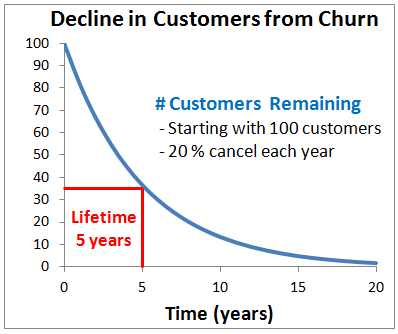
Churn refers to the rate at which customers stop using your service. It is usually expressed as a percentage over a specific period. If you have 100 customers and 5 cancel their subscriptions in a month, your churn rate is 5%. High churn rates can indicate dissatisfaction with your service. It might suggest that your product doesn't meet customer needs or expectations. Lowering churn should be a top priority to maintain a healthy business.
Types Of Churn
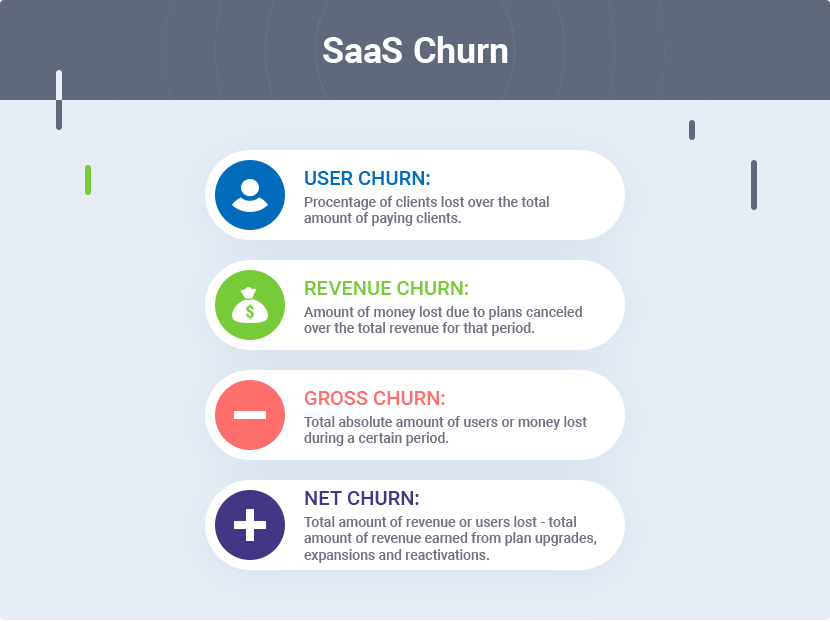
Churn in SaaS isn’t a single concept—it comes in different forms, and each type highlights a specific challenge within a subscription-based software product. Understanding these variations helps teams identify root causes and take more targeted action.
Voluntary churn happens when users actively choose to leave a SaaS product. This often results from factors such as unmet expectations, usability issues, pricing concerns, or the availability of better alternatives. Monitoring user behavior, collecting feedback, and improving product experience are effective ways to reduce voluntary churn.
Involuntary churn occurs when users leave unintentionally, most commonly due to billing or payment failures like expired cards or unsuccessful renewals. Although frequently overlooked, this type of churn is usually preventable through better billing systems, retry mechanisms, and timely payment reminders.
Revenue churn focuses on the financial impact rather than the number of users lost. Losing a single high-value customer can affect revenue more than losing multiple low-tier users. This is why some SaaS teams notice declining revenue even when new users continue to sign up. Revenue churn highlights the importance of understanding customer value, not just customer count.
Reducing churn isn’t only about keeping users active—it’s about protecting long-term revenue and product stability. By identifying which users contribute the most value and why others leave, SaaS teams can make smarter product and development decisions that support sustainable growth.
Credit: chaotic-flow.com
Impact Of Churn
In the world of SaaS, churn is a crucial metric. It represents the rate at which customers stop using a service. Churn impacts various aspects of a business, and understanding its effects is vital. Let’s explore the financial consequences and customer relationship impacts of churn.
Financial Consequences
Churn leads to lost revenue. When customers leave, their subscription fees vanish. This can hurt profits and growth. A high churn rate means constant loss. Companies spend more on acquiring new customers to replace those who leave. Marketing and acquisition costs rise. This reduces overall profitability.
Churn also affects investor confidence. Investors look at growth rates and customer retention. High churn signals instability. This can impact stock prices and funding opportunities. Stability is key for attracting investment. Managing churn can improve business valuation.
Customer Relationship
Churn damages customer relationships. Losing customers means losing trust. It indicates unmet needs or dissatisfaction. Happy customers are loyal. They refer others and boost brand reputation. Churn suggests problems in service quality or customer support.
Understanding why customers leave helps improve services. Feedback and analytics can reveal issues. Addressing these can reduce churn. A strong customer relationship fosters loyalty. Loyal customers often upgrade and stay longer. This positively impacts growth and stability.
Reasons For Churn
Churn in SaaS is a critical metric that every business should keep an eye on. It represents the rate at which customers stop using your service, and understanding the reasons behind it is essential for growth. Why do customers leave? This question can lead to insights that not only help retain current users but also attract new ones. Let's break down the reasons for churn into manageable pieces.
Product Issues
One of the main reasons customers leave is product-related issues. Imagine purchasing a software subscription only to find it doesn't meet your needs or is riddled with bugs. It's frustrating, right? If your product isn't delivering the promised value, customers will look for alternatives. Regularly update your software and listen to user feedback to address these issues.
Customer Experience
Have you ever felt neglected by a company after buying their product? Poor customer experience can drive customers away. If users struggle to find help or feel unappreciated, they won't stick around. Ensure your support is accessible and responsive. A simple thank you email can make a world of difference in how valued your customers feel.
Market Changes
Sometimes, churn is out of your control. Changes in the market can impact your customer base. New competitors, evolving technology, or shifts in consumer needs can lead people to seek different solutions. Stay updated on industry trends to adapt your offerings. Are you keeping an eye on what your competitors are doing?
Understanding these reasons for churn can help you develop effective strategies to reduce it. What steps will you take to improve your SaaS retention today?
Credit: userpilot.com
Measuring Churn
Understanding churn in SaaS is crucial for business growth. Measuring churn helps identify customer retention issues. Accurate measurement allows for better strategies. This section explores how to measure churn effectively.
Churn Rate Calculation
Churn rate represents lost customers over a period. Calculate it by dividing lost customers by total customers at the start. For example, if 100 customers start and 5 leave, the churn rate is 5%. A high churn rate signals retention problems. Regular calculations help track performance.
Tools For Tracking Churn
Various tools assist in tracking churn. Analytics platforms like Google Analytics provide insights. Customer relationship management (CRM) systems track customer interactions. Subscription management tools monitor active and inactive subscriptions. Use these tools to gain a full view of churn. Choose a tool that fits your business needs. Efficient tracking aids in proactive customer retention strategies.
Strategies To Reduce Churn
Churn in SaaS refers to customers leaving a service, impacting revenue and growth. Strategies to reduce churn include improving customer engagement and support. Tailoring products to customer needs and analyzing feedback can also help retain users.
Reducing churn is a critical task for any SaaS business wanting to thrive in a competitive market. By focusing on strategies that enhance customer satisfaction and loyalty, you can significantly lower churn rates and boost your bottom line. Here, we explore practical approaches to help you keep your customers engaged and committed to your service.
Enhancing Product Quality
Your product is the heart of your business. If it doesn't meet user expectations, customers will leave. Regularly update your software to fix bugs and add new features. Listen to customer feedback. What features are they asking for? Prioritize updates that align with their needs. Quality assurance is key; ensure your product performs seamlessly.
Improving Customer Support
When customers encounter issues, they expect quick and effective solutions. A slow response can drive them away. Train your support team to be knowledgeable and empathetic. Use chatbots to handle simple queries instantly. Offer multiple support channels like email, phone, and live chat. Is your support accessible 24/7? If not, consider extending your hours to accommodate different time zones.
Personalizing User Experience
Personalization can transform a generic service into a tailored experience. Use data analytics to understand customer behavior and preferences. Customize communication, recommending features or content that matter to them. Segment your users and offer tailored onboarding experiences.
How often do you reach out to inactive users? Personalized re-engagement campaigns can rekindle their interest and remind them of your value. By focusing on these strategies, you're not just reducing churn; you're building a stronger, more customer-focused SaaS business. How will you start implementing these changes today?
Customer Retention Techniques
Customer retention is a crucial aspect for any SaaS business aiming to thrive in a competitive market. Keeping your existing customers satisfied and loyal is often more cost-effective than constantly acquiring new ones. Implementing effective customer retention techniques can significantly reduce churn rates and boost overall growth. Let’s explore some practical strategies that can help ensure your customers stay engaged and committed.
Loyalty Programs
One of the most effective ways to retain customers is through loyalty programs. These programs can incentivize your customers to continue using your service by offering rewards, discounts, or exclusive features. Imagine being part of a community where your loyalty is appreciated and rewarded. You feel valued, and that keeps you coming back.
Consider creating tiered membership levels, where the more a customer engages, the greater the benefits they receive. This approach not only enhances customer satisfaction but also encourages users to explore more of your offerings. Can you think of a reward that would make you stick with a service?
Feedback Mechanisms
Listening to your customers is key to retention. Implementing feedback mechanisms allows you to understand their needs and address any concerns promptly. A simple survey or a quick feedback form can reveal valuable insights into what your customers truly want.
Have you ever been asked for your opinion and seen changes happen because of it? It's empowering, right? By acting on feedback, you show your customers that their voices matter. This can foster stronger relationships and increase loyalty. What feedback mechanism could you introduce today to make your customers feel heard?
These techniques are not just theoretical; they are practical steps you can implement to improve customer retention. Whether it's through loyalty programs or feedback mechanisms, each technique offers a unique way to connect with your audience and enhance their experience. Start small, measure the impact, and adjust as needed. Your customers are your greatest asset—keep them close.
Predictive Analytics
Churn in SaaS refers to the loss of customers over time. Predictive analytics helps identify patterns leading to customer departures. This insight allows companies to take action and reduce churn rates effectively.
Predictive Analytics is a game-changer in understanding churn in SaaS. Imagine having the ability to foresee which customers might leave before they actually do. This empowers you to take proactive measures to retain them. Predictive analytics uses data to create models that forecast future behavior, giving you a crystal ball into your customer base.
Forecasting Churn
Predictive analytics helps in forecasting churn by analyzing historical data. It identifies patterns that indicate a customer might leave. Think of it as having a weather report for your business, where you can prepare for the storm before it hits. Use tools that analyze customer interactions, usage patterns, and feedback. This information can create a model that predicts which customers are at risk. You can then target these customers with personalized offers or support to keep them engaged.
Data-driven Decisions
Making decisions based on data is crucial for minimizing churn. You might have heard the phrase "data is the new oil." Well, in SaaS, data is your lifeline. It helps you understand what's working and what's not. By leveraging predictive analytics, you can make informed choices. Should you tweak your product features? Maybe adjust your pricing? The insights gleaned from data can guide your strategy and improve retention rates.
Engage with your data regularly. Ask yourself: Are there common traits among customers who leave? What changes can you implement to address their needs? Your ability to interpret data effectively can transform your churn challenge into an opportunity for growth. Predictive analytics isn't just about numbers; it's about understanding your customers better. How will you use this tool to keep your customers happy and loyal?
Case Studies
Churn in SaaS refers to the loss of customers over time. It indicates customer dissatisfaction or better offers elsewhere. Understanding churn helps businesses improve retention and grow steadily.
In the competitive world of SaaS, understanding churn is crucial. Churn refers to the rate at which customers stop using a service. It impacts revenue and growth, making churn reduction a priority. In this section, we'll delve into some case studies showcasing how businesses have successfully tackled churn. These real-world examples offer valuable insights that you can apply to your own strategies.
Successful Churn Reduction
Some companies have turned the tide on churn with innovative strategies. Take Company X, a SaaS business specializing in project management tools. They noticed a high churn rate among new users. By conducting surveys, they identified onboarding as a weak link. They revamped their onboarding process, adding personalized tutorials and follow-up emails.
This led to a 30% decrease in churn among new subscribers. Another example is Company Y, offering cloud storage solutions. They faced churn due to pricing issues. By introducing flexible pricing plans, they managed to retain more customers, seeing a 20% improvement in retention rates.
Lessons Learned
What can you learn from these success stories? First, listen to your customers. Their feedback is a goldmine of information. It can guide you to pinpoint areas needing improvement. Next, be proactive rather than reactive. Don't wait for churn rates to skyrocket. Regularly assess customer satisfaction and engagement levels.
Finally, be ready to adapt. The SaaS landscape is dynamic. Strategies that worked yesterday might need tweaking today. Are you ready to embrace change? By adopting a customer-centric approach, you too can reduce churn and boost retention. What steps will you take to ensure your customers stay loyal?
Credit: horizencapital.com
Frequently Asked Questions
What Is Saas Churn?
SaaS churn refers to the rate at which customers stop subscribing to a SaaS product. It impacts revenue and growth. Reducing churn is crucial for sustaining business success. Monitoring churn helps improve customer retention and satisfaction.
What Is A Good Churn Rate In Saas?
A good churn rate in SaaS is typically between 3% to 5% monthly. Lower rates indicate customer satisfaction and retention. Regularly analyze and optimize strategies to maintain or improve this rate.
Is 20% Churn High?
A 20% churn rate is considered high. High churn can indicate customer dissatisfaction or ineffective retention strategies. Businesses should aim to lower churn for sustainable growth. Analyzing customer feedback and improving services can help reduce churn rates.
What Does 5% Churn Mean?
A 5% churn rate means 5% of customers or subscribers have stopped using a service within a specific period. It indicates the rate at which a company loses customers. Reducing churn is crucial for business growth and customer retention.
Conclusion
Understanding churn in SaaS is crucial for business growth. Lower churn leads to higher customer retention. Happy customers mean steady revenue and positive reviews. Focus on improving service quality to reduce churn. Listen to customer feedback to make needed changes.
Analyze data regularly to spot trends and issues. Remember, a satisfied customer is your best asset. Keep refining your strategies to stay ahead. Boost customer satisfaction to ensure long-term success. By addressing churn, you can enhance your SaaS business effectively.