EDR outpaces antivirus by detecting, investigating, and responding to modern endpoint threats.
You want the clearest take on antivirus vs edr, and you want it from someone who has deployed both in real networks. I have. In this guide, I break down antivirus vs edr in simple terms, but with expert depth. You will learn when to choose each tool, how they work, and how to pair them for strong defense.
What Antivirus Does Today
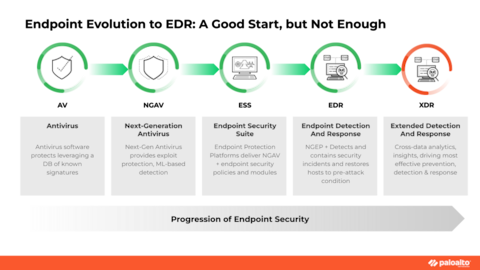
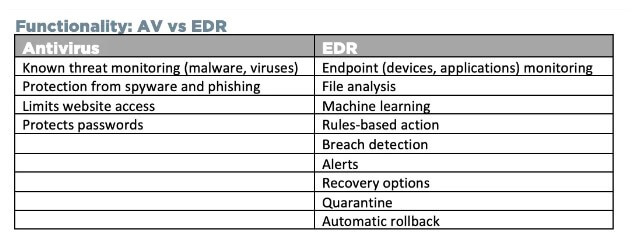
Antivirus scans files and processes for known bad signs. It uses signatures, heuristics, and behavior rules. It can block malware, risky files, and shady sites. It is fast and light.
Modern tools add machine learning. They watch for common tricks, like macro dropper files. Many tools scan email and web traffic. Some tools roll back changes after a hit.
Antivirus is a good base. It covers many threats at a low cost. It is easy to set up and run.
This matters in the antivirus vs edr debate. Antivirus gives you protection. EDR gives you insight and response.
What EDR Does Beyond Antivirus
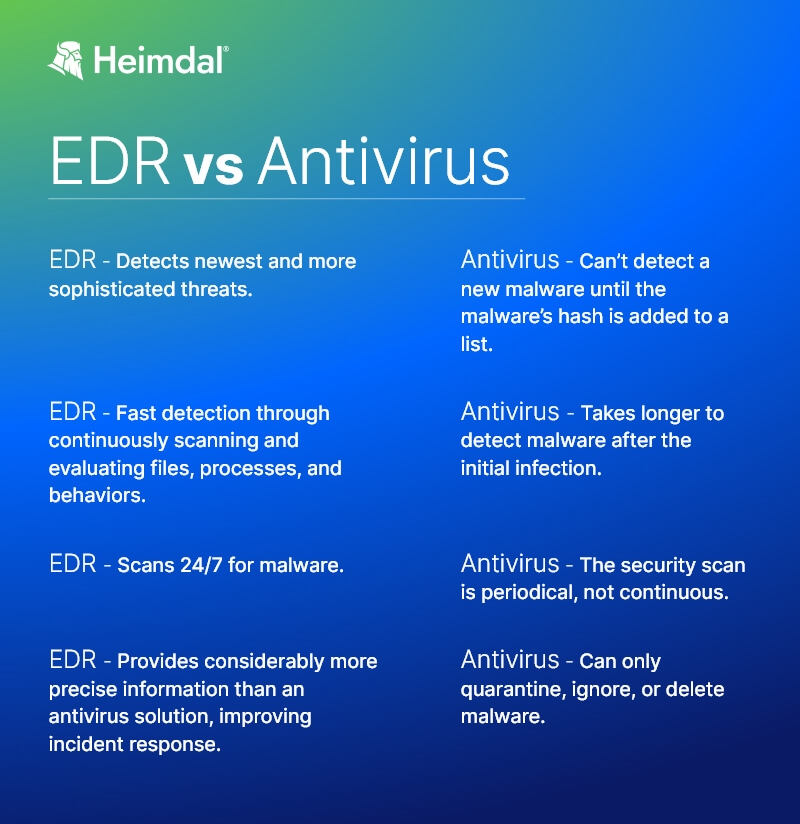
EDR records rich endpoint data. It tracks processes, scripts, drivers, network calls, and user actions. It maps events to tactics, like the MITRE ATT&CK model. It helps you spot stealthy moves.
EDR finds fileless attacks, which leave few traces. It flags lateral movement. It catches abuse of legit tools, like PowerShell. It ties alerts into cases so you can see the full story.
Good EDR can auto contain a host. It can kill processes. It can isolate the device from the network. It can hunt for the same threat on all devices at once.
This depth is why antivirus vs edr is not a coin flip. EDR is not just a blocker. It is also your record of truth and your response kit.
Antivirus vs EDR: Key Differences
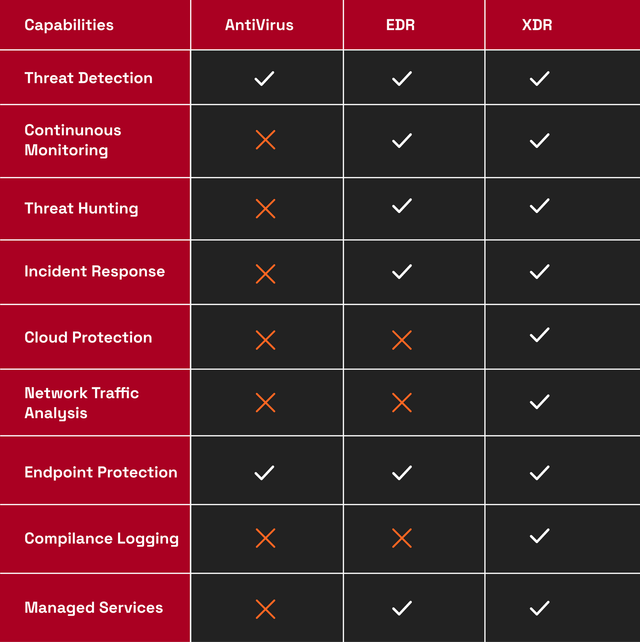
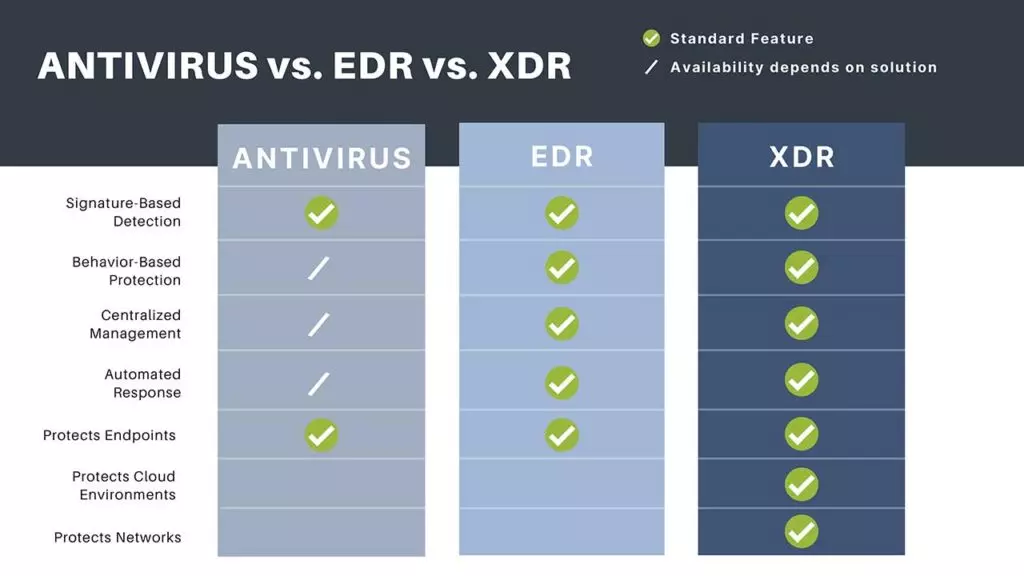
Antivirus vs edr differs on scope, data, and action. Here is how to think about it.
- Goal. Antivirus stops known threats fast. EDR detects, investigates, and responds to known and unknown threats.
- Data. Antivirus sees files and basic behavior. EDR sees full telemetry across time and links events.
- Alerts. Antivirus fires atomic alerts. EDR builds a timeline so you see root cause and blast radius.
- Response. Antivirus blocks. EDR contains, kills, quarantines, and rolls back at scale.
- Effort. Antivirus is set and forget. EDR needs tuning and skill, or a managed service.
- Value. Antivirus lowers risk from common malware. EDR cuts dwell time and damage from advanced threats.
In short, antivirus vs edr is prevention vs prevention plus detection plus response. Many teams need both, not one.
When Antivirus Is Enough, When You Need EDR
Use antivirus alone if your risk is low. Think a tiny shop with few devices and no sensitive data. You still need backups and patching. Keep it simple and clean.
Use EDR when the risk goes up. Remote staff, admins with high rights, or cloud apps push risk. Health, finance, or legal data makes risk high. Ransomware trends also push risk up.
Many teams start with antivirus. Then they add EDR after the first scare. Try to skip the scare. Weigh the cost of a breach vs the cost of EDR.
This is the heart of antivirus vs edr. Your choice must follow your risk, not a fad.
How They Work Together: Layered Defense
Think of a seatbelt and an airbag. Antivirus is your seatbelt. It stops the quick hit. EDR is your airbag and black box. It keeps you safe when things get bad and shows what went wrong.
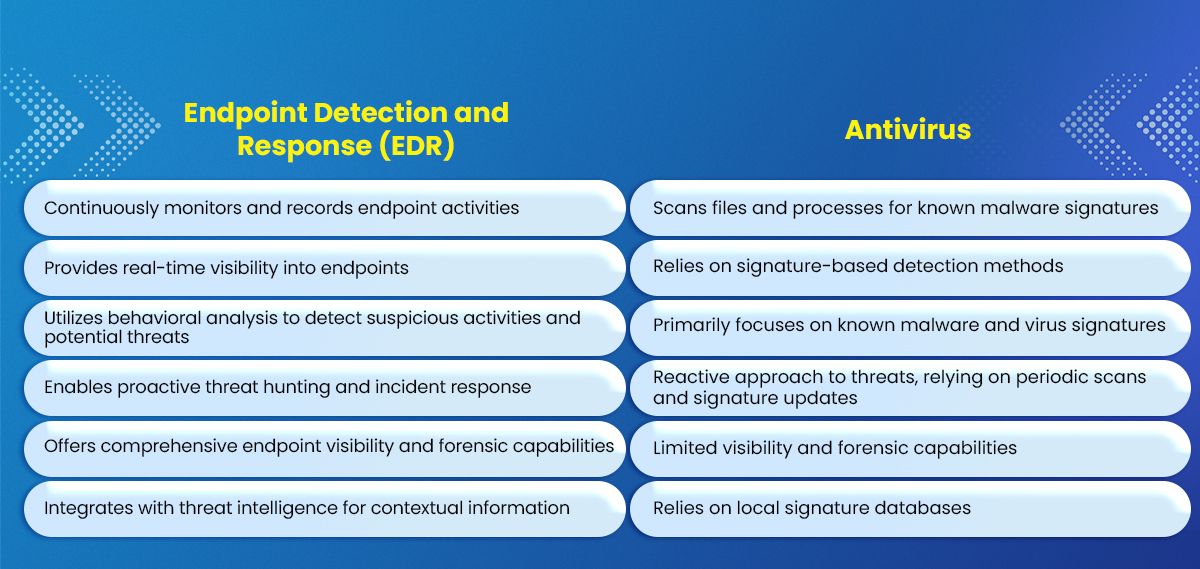
Pair both for strong results. Antivirus blocks the known stuff. EDR sees sneaky moves and stops spread. Together they cut alert noise and shorten response time.
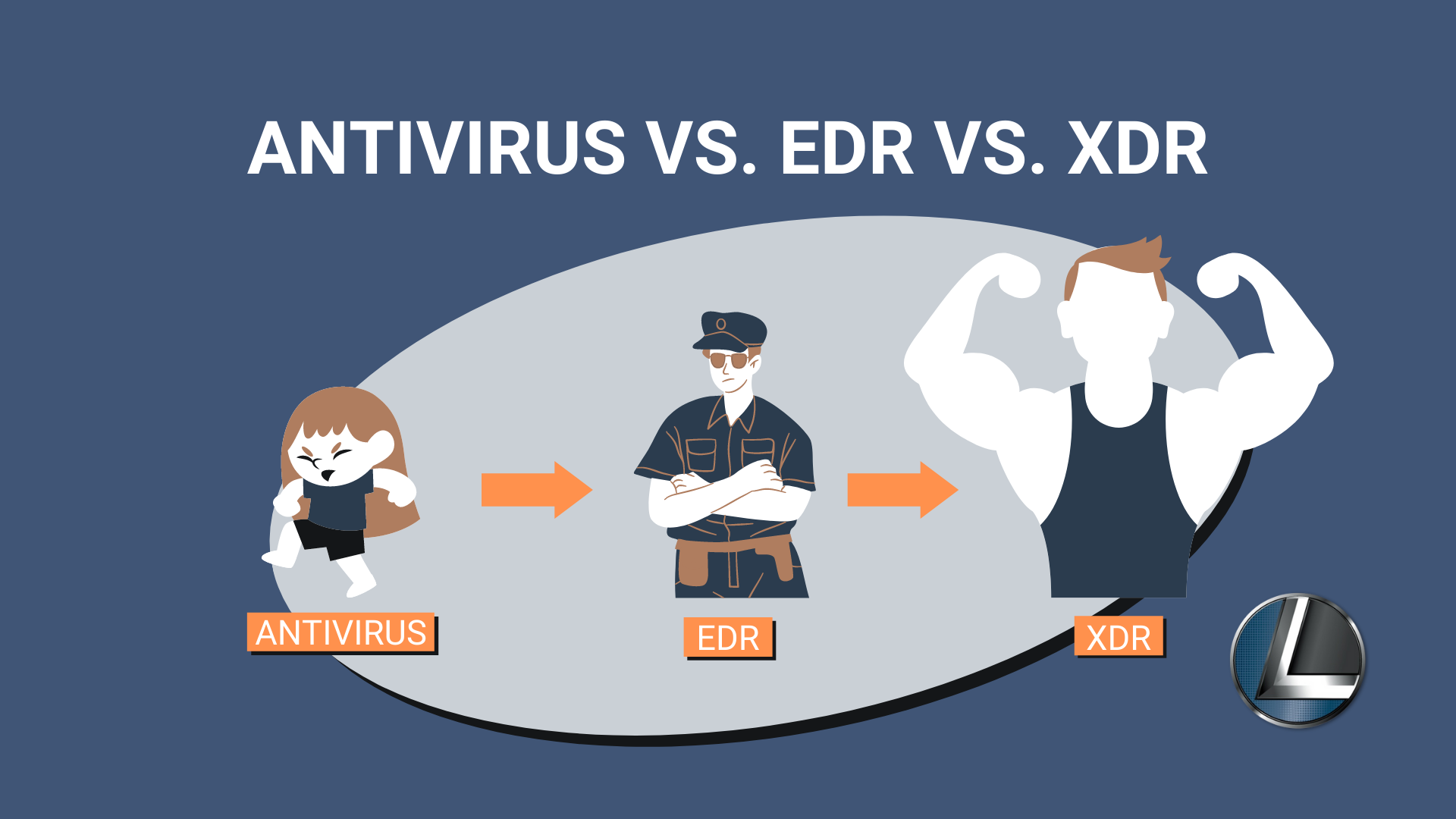
Vendors now sell EPP and EDR in one agent. Some add XDR for more data, like email and identity. This blend can make antivirus vs edr a false choice. You can have both.
Features Checklist and Buying Tips
When you compare antivirus vs edr tools, use this checklist.
- Coverage. Windows, macOS, Linux, servers, VDI, and even containers if you use them.
- Prevention quality. Independent test scores for malware, phishing, and ransomware.
- Telemetry depth. Process trees, script logs, command lines, registry, drivers, DNS, and network events.
- Detections. Quality rules mapped to ATT&CK. Low false positives.
- Response. One-click isolate, kill, quarantine, and remote shell.
- Hunt. Easy search, saved queries, tags, and watchlists.
- Integrations. SIEM, SOAR, identity, ticketing, and cloud apps.
- Performance. Low CPU and RAM use. Stable drivers.
- Usability. Clear cases, timelines, and guided actions.
- Support. 24/7 help and fast updates. Managed detection and response if you need it.
- Privacy. Data controls and regional storage options.
Ask vendors for real world demos. Replay a past incident from your logs. See how fast you can find root cause. That is the best antivirus vs edr test.
.png?width=1368&height=579&name=antivirus%20(1).png)
Deployment, Cost, and ROI
Antivirus is cheap and quick to deploy. EDR costs more and needs time. You may need a small SOC or a managed service.
Plan for licenses, storage, and people time. Plan for training too. Good teams pay for themselves by faster detection and fewer outages.
A simple ROI view helps. Estimate breach costs avoided by faster response. Add time saved in triage. Factor cyber insurance needs. Put this into your antivirus vs edr decision.

Real-World Stories and Lessons
I once helped a clinic with only antivirus. A macro ran a script. It pulled tools from a file share. Backups saved them, but they lost a day. We added EDR, tuned a rule for macro spawn chains, and blocked a repeat weeks later.
At a SaaS firm, an admin clicked a fake chat link. Antivirus missed it. EDR flagged odd PowerShell use and C2 calls. We isolated the laptop in seconds. We used hunt to check all devices. No spread. That is the power side of antivirus vs edr in real life.
Key lesson. Build playbooks for common threats. Test them. Small wins add up fast.
Implementation Steps and Best Practices
Use these steps to roll out and run both tools well.
- Do a small pilot. Pick high risk users and a few servers.
- Set baselines. Watch normal process and network use for a week.
- Tune rules. Suppress noisy, known good tools with care.
- Lock policies. Block script abuse and risky macros.
- Build playbooks. Phishing, ransomware, and lateral move cases.
- Train the team. Short drills beat long slides.
- Track metrics. MTTR, false positive rate, and host coverage.
- Review often. New threats show up each month.
This flow gives structure to the antivirus vs edr plan. It keeps risk and cost in check.
Compliance, Logging, and Reporting
Many standards want endpoint controls. Think health, finance, and public sector. Antivirus meets some needs. EDR helps prove due care and due speed.
Keep logs long enough for your rules. Label data that is personal. Use role based access. Share reports with execs in plain terms.
Good reports make antivirus vs edr value clear. Show fewer alerts, faster fixes, and less downtime.
Metrics and KPIs to Track
Pick simple, sharp metrics. Review them each month.
- Percent of devices with agent installed and healthy.
- Median time to detect and respond.
- False positive rate and alert volume per 100 devices.
- Number of blocked ransomware runs.
- Number of high risk incidents by root cause.
These numbers drive your antivirus vs edr story. They show progress and gaps.
Frequently Asked Questions of antivirus vs edr
Is antivirus enough for a small business?
It can be if your risk is low and data is simple. Add backups, patching, and MFA to stay safe.
Does EDR replace antivirus?
No. EDR builds on prevention and adds detection and response. Many vendors bundle both in one agent.
Will EDR slow down my devices?
Modern EDR is light if tuned well. Pilot first, watch CPU and memory, and adjust rules.
How does EDR help with ransomware?
It can spot early signs, like script abuse and lateral move. It can isolate hosts and stop spread fast.
Do I need a SOC to use EDR?
Not always. Many teams use managed detection and response. Start small and grow your skills.
How does antivirus vs edr impact compliance?
Antivirus can meet basic control needs. EDR adds better logging, proof of response, and audit ready reports.
What is the cost difference in antivirus vs edr?
Antivirus is cheaper per device. EDR costs more but can cut breach costs and downtime.
Conclusion
Antivirus stops the common hits. EDR shows you the full story and helps you act fast. The smart move is to match tools to your risk and then layer both.
Start now. List your risks, run a pilot, and track a few sharp metrics. Build a simple playbook and test it this month. If this helped, subscribe for more guides, share your antivirus vs edr questions, or leave a comment with your use case.