Store originals in cool, dry, dark conditions; handle carefully; use archival enclosures.
If you care about keeping photos, records, art, or legal files safe for decades, you are in the right place. I have spent years helping families, museums, and small offices protect irreplaceable items. In this guide, I share the best practices for preserving original copies with clear steps, simple tools, and lessons learned from real work. You will leave with a plan that works at home and at scale.
Why preserving originals matters
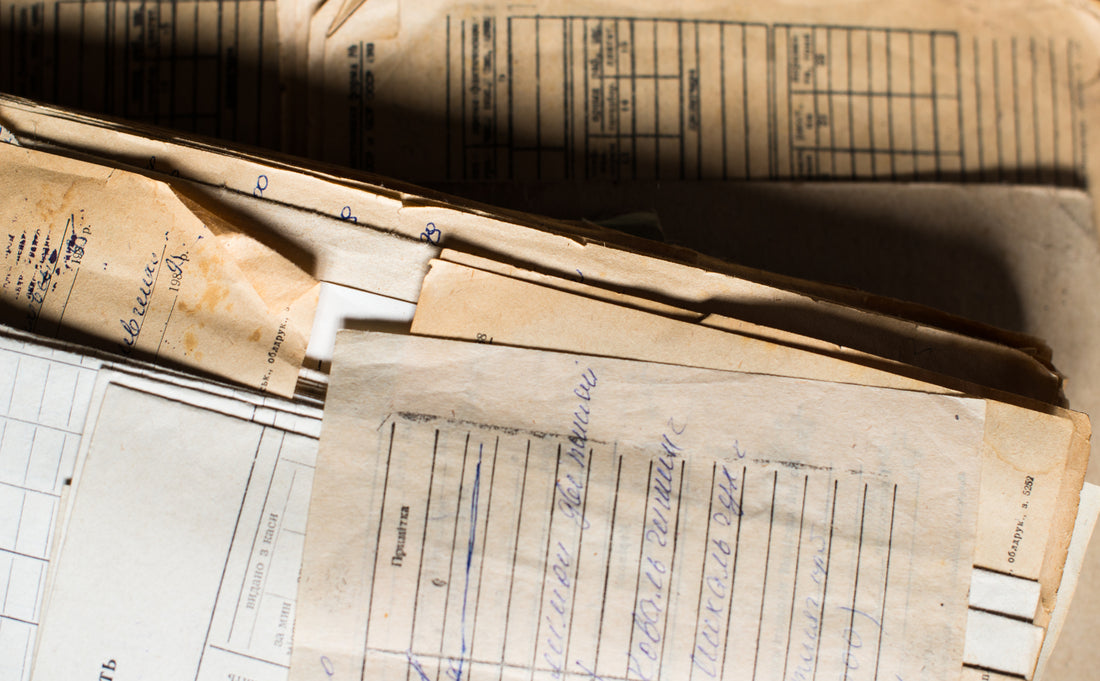
Originals carry proof, context, and texture that copies cannot match. Ink sits on the page in a way that tells a story. Paper shows age, handling, and even the climate it lived in. When originals vanish, nuance goes with them.
Think about a signed contract, a family letter, or a vintage print. The original holds legal weight and emotional value. It can also support research, claims, and rights. This is why experts insist on best practices for preserving original copies.
Control the environment first
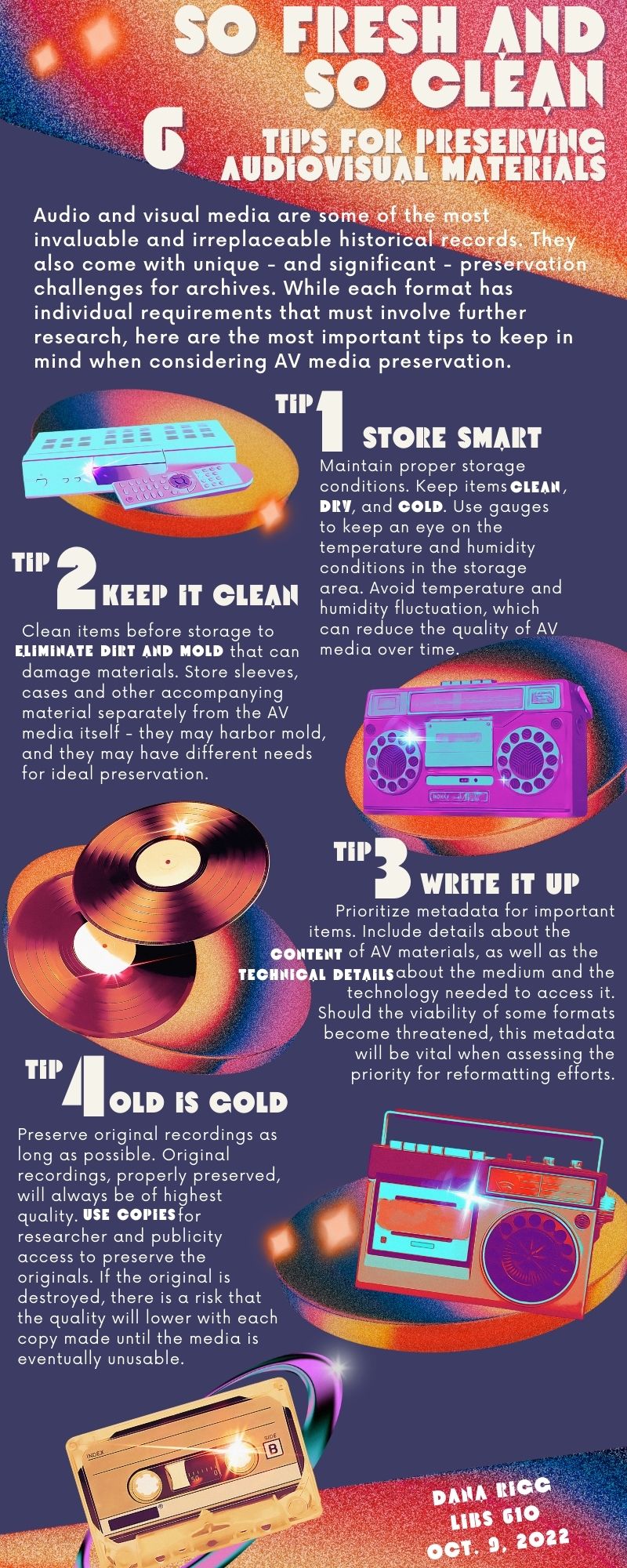
Temperature and humidity are the biggest risks. Keep items at 60–70°F and 30–50% relative humidity. Avoid spikes, which speed up decay. Stable beats perfect.
Light fades inks and weakens paper. Limit light exposure and avoid direct sun. Use UV-filter sleeves or glazing for display. Store in the dark when not in use.
Air quality matters. Dust, smoke, and ozone attack fibers. Use clean storage, sealed boxes, and a HEPA filter if needed. These steps anchor the best practices for preserving original copies.

Safe handling and access
Clean, dry hands are the default. Use nitrile gloves for photos, film, and metal prints. Avoid cotton gloves for paper, as they reduce grip and can cause tears.
Support fragile items with both hands. Use a smooth surface and a clean mat. Do not bend, fold, or stack heavy items on top of each other.
Skip sticky notes, paper clips, rubber bands, and tape. Use a soft pencil for notes on folders, not on the item. Careful handling is core to the best practices for preserving original copies.
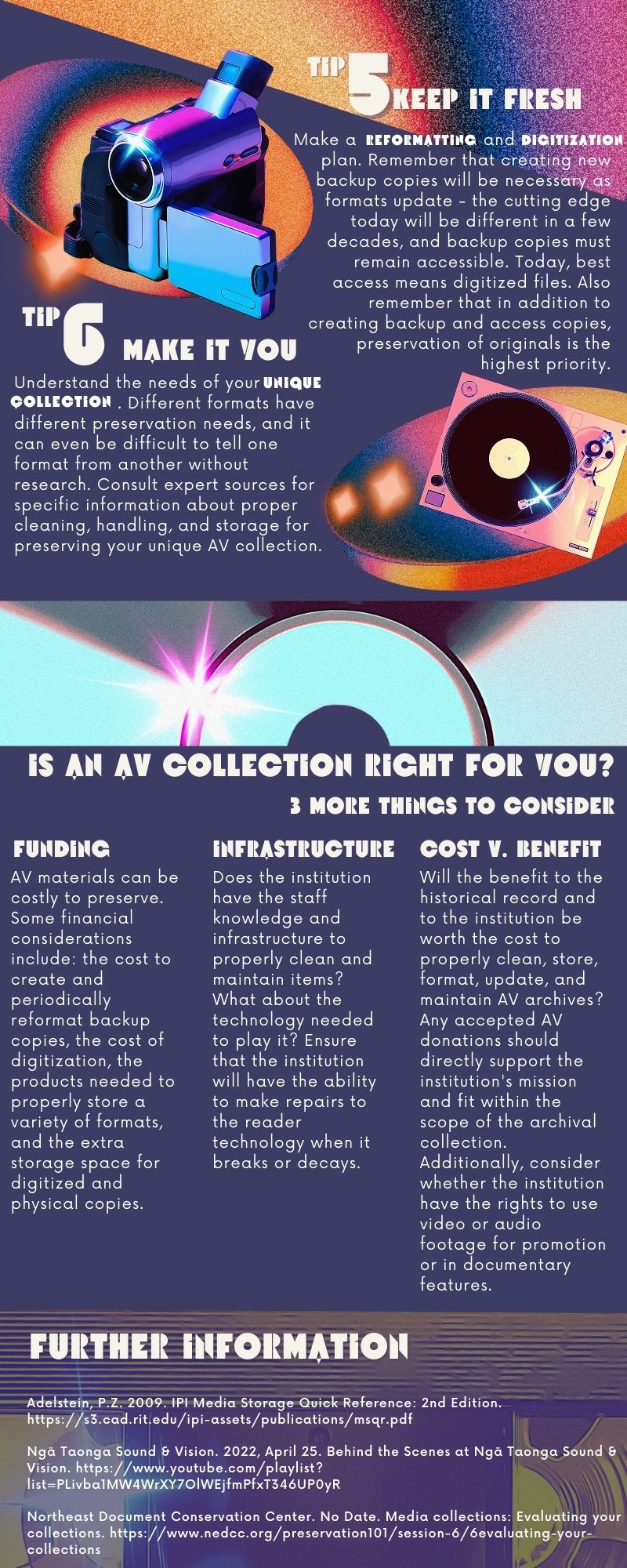
Choose protective enclosures
Select acid-free, lignin-free folders and boxes. For most paper, buffered stock is safe. For color photos, protein-based materials, and cyanotypes, use unbuffered enclosures.
Use clear sleeves made of polyester, polypropylene, or polyethylene. Avoid PVC. Fit enclosures to the item so it cannot shift or curl.
Store upright in snug boxes. Add spacers so items stand straight. Good housing goes far in the best practices for preserving original copies.
Digitize to complement, not replace
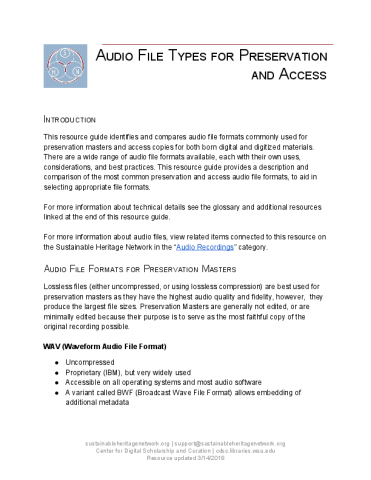
Digitization reduces handling and creates access copies. Scan text at 300–400 dpi and photos at 600–1200 dpi. Save master files as TIFF and share access copies as JPEG or PDF/A.
Use the 3-2-1 rule. Keep three copies, on two types of media, with one off-site or in the cloud. Add checksums to detect file corruption over time.
Digital backups protect content, while originals hold format, feel, and proof. This balance is at the heart of the best practices for preserving original copies.

Plan for disasters before they strike
Do a quick risk scan. Look up, down, and around. Check for pipes, heat vents, windows, and floor drains. Keep storage off the floor and away from exterior walls.
Build a small kit. Include nitrile gloves, blotter paper, microfiber cloths, clean water, and zip bags. For leaks, air dry or freeze damp paper and photos. Call a conservator for mold or soot.
Run a short drill with your team or family. Clear roles cut panic. Preparedness is a pillar of the best practices for preserving original copies.

Document, label, and track
Give each item a unique ID. Note title, date, creator, size, material, and condition. Use a soft pencil on folders or a reversible label system.
Record changes, moves, and treatments. Keep a loan log and shipping photos. For high-value items, keep a simple chain of custody form.
Strong metadata turns a pile of paper into a trusted collection. It supports the best practices for preserving original copies.

Respect legal and ethical lines
Check copyright and privacy rules before sharing scans. Get donor or owner consent in writing. Note any limits on use, display, or access.
Record provenance with care. Note where, when, and from whom items came. Clear history reduces disputes and builds trust.
Ethics protect people as much as paper. This respect is part of the best practices for preserving original copies.
Set a simple maintenance rhythm
Make a calendar. Inspect storage twice a year. Look for pests, leaks, dust, and warping. Verify your data backups at the same time.
Rotate displays every 8–12 weeks to limit light. Use light meters or track hours in bright spaces. Lower light levels extend life.
Small, steady checks prevent big, costly fixes. A routine makes the best practices for preserving original copies easy to keep.
Avoid common mistakes
Some habits cause fast damage. Watch for these traps and swap in safer methods.
- Sunlight and bright LEDs fade ink and dyes. Store in the dark and display under UV-filter glass.
- Tape, glue sticks, and lamination are not reversible. Use archival sleeves and folders instead.
- Basements and attics swing in temp and humidity. Choose a main-floor closet or interior room.
- PVC sleeves release acids. Use polyester, polypropylene, or polyethylene.
- Over-tight stacks and tight ties cause warping and tears. Give items room and support.
Fixing these slips will align you with the best practices for preserving original copies.
Budget-smart strategies for homes and small teams
You can do a lot without a big spend. Start with the room, then the box, then the sleeve. This order gives the best return.
- Use a cool closet, not the attic or garage.
- Add a hygrometer to track humidity and temperature.
- Buy a few archival boxes and upgrade in waves.
- Use clean, plain folders if archival options are limited, then migrate later.
- Prioritize high-value or at-risk items first.
A clear plan lets you meet the best practices for preserving original copies at your pace.
Tools and supplies that work
You do not need a lab to get results. A small kit goes a long way.
- Archival boxes and folders for paper and photos.
- Polyester or polypropylene sleeves for viewing without touch.
- Nitrile gloves for photos, film, and metal prints.
- Soft pencil and acid-free labels for folders, not items.
- Microfiber cloth, soft brush, and HEPA vacuum with a micro-tool for dust control.
- Hygrometer and simple UV filters for frames and lights.
These basics support the best practices for preserving original copies day to day.
Real-world lessons from the field
A family once brought me a damp album after a pipe leak. We froze the pages, then thawed and air dried with fans and blotter paper. Because we acted fast and handled each page flat, most prints were saved with minor tide lines.
In a small museum, we improved life for a fragile map by moving it from an attic to a cool interior room. We added a buffered folder and flat storage. Costs were low, and the curve in the paper relaxed over a few months.
Simple steps, done early, prevent loss. These stories show how the best practices for preserving original copies pay off.
Frequently Asked Questions of best practices for preserving original copies
What is the ideal storage climate?
Aim for 60–70°F with 30–50% relative humidity. Keep it stable, as swings cause the most harm.
Should I wear gloves?
Use clean, dry hands for paper to keep good grip. Wear nitrile gloves for photos, film, and metal prints.
Is scanning enough to preserve my records?
Scanning helps reduce handling and improves access. It does not replace the care and storage originals still need.
How do I store photos safely?
Place photos in polyester, polypropylene, or polyethylene sleeves. Store them flat or upright in archival boxes away from light.
Can I use tape to repair tears?
Avoid tape and glue. Use a folder for support and consult a conservator for reversible repairs.
What should I do after a water leak?
Air dry or freeze items quickly and separate pages with blotter paper. If you see mold, isolate the items and call a pro.
Are basements okay for storage?
Basements often have damp air and flood risk. An interior closet is safer for most collections.
Conclusion
You now have a clear, simple plan to protect what matters. Control the room, handle with care, use the right enclosures, and keep steady checks. Add smart digitization, and you are well aligned with the best practices for preserving original copies.
Start today with one shelf or one box. Pick the most at-risk item and give it a safe home. If this guide helped, subscribe for more tips, share it with a friend, or reach out with your questions.