Build daily writing habits, model language, teach sounds, grip, and joyful practice.
If you want to know how to build kids writing foundation, you’re in the right place. I blend classroom practice with research and simple tools that work at home. You will learn clear steps, friendly routines, and games that spark skill and joy. Use this guide to set a strong base that helps your child read, write, and think with confidence.
Why early writing matters
Writing is not only about neat letters. It is how kids make ideas visible. It links thought, sound, and print. It builds focus and pride.
Studies show that early writing helps reading growth. When kids learn to hear sounds in words, they read faster later. Fine motor skill also links to school success.
Parents often ask how to build kids writing foundation without pressure. The answer is a mix of skill, play, and steady habits. Small steps each day beat long drills once a week.
In my work with K–2 students, the biggest wins came from simple routines. Ten minutes of sound work, five minutes of letter forms, and quick writing bursts. This is how to build kids writing foundation that lasts.

The core building blocks
These are the bricks in how to build kids writing foundation. Each brick supports the next. Keep them all in view as you plan.
Phonological and phonemic awareness
Kids need to hear parts of words. First syllables, then rhyme, then single sounds. This ear training is key for writing and spelling.
Try quick games:
- Clap syllables in names or foods.
- Say a word, drop the first sound, and make a new word.
- Blend sounds you say slowly into a word.
Letter-sound knowledge
Kids map sounds to letters. Start with the most common letters and sounds. Use lowercase first.
Helpful moves:
- Teach two to four new letters per week.
- Use a keyword and a picture for each letter.
- Mix quick review with writing the letter in sand or air.
Fine motor strength and pencil grip
Strong hands help smooth writing. A relaxed tripod grip reduces strain and mess.
Build strength with play:
- Pinch beads, use tweezers, or peel stickers.
- Roll small dough balls and press them flat.
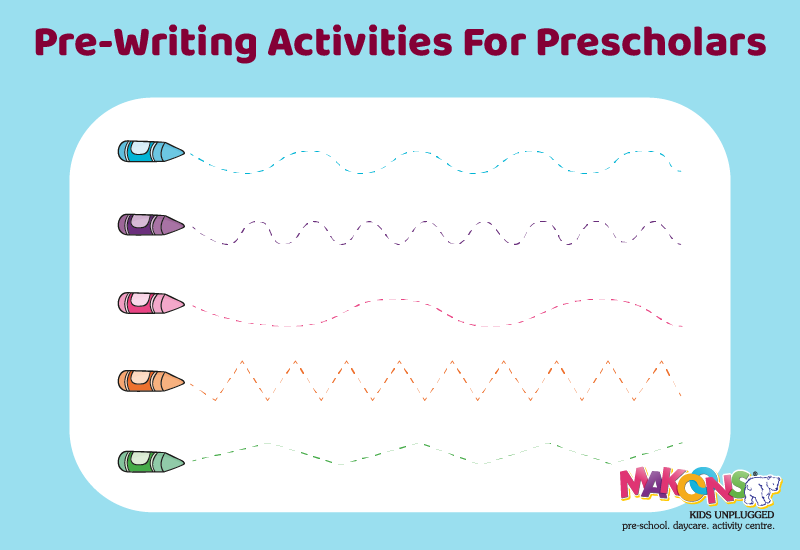
- Trace big paths on paper stuck to the wall.
Oral language and vocabulary
Kids write the words they can say. Talk grows ideas. Rich talk leads to rich writing.
Use short chats:
- Describe what you see on a walk.
- Ask why and how questions.
- Recast your child’s words into full sentences.
Print awareness
Kids learn that print has rules. Left to right. Top to bottom. Spaces between words.
Make it clear:
- Point while you read aloud.
- Hunt for capital letters at the start of sentences.
- Sort words and pictures into two piles.
Motivation and writer identity
Kids write more when it feels fun and real. Praise effort. Share their work.
Build pride:
- Use a small notebook for “author time.”
- Let kids pick topics they love.
- Post work on the fridge like a gallery.
These pillars show how to build kids writing foundation with balance. Do a little of each each week for steady growth.
A simple daily plan that works
You can learn how to build kids writing foundation in 15 minutes a day. Keep it short. Keep it sweet. Keep it steady.
Try this sequence, five days a week:
- Sound warm-up, 3 minutes. Blend or segment three words.
- Letter focus, 4 minutes. Review two known letters and teach one new letter.
- Handwork, 3 minutes. Grip check and two lines of the target letter.
- Quick write, 5 minutes. One sentence about a picture or a small event.
On weekends, do longer play tasks:
- Label items in a room with sticky notes.
- Write a card to a friend.
- Make a tiny book with three pages.
I used this plan with a first grader who said “I hate writing.” By week three, he filled two sentences with spaces and a period. The secret was choice and pace. This is how to build kids writing foundation without tears.

Activities and games kids love
Play makes learning stick. These easy games show how to build kids writing foundation while kids smile.
Word and sound games:
- Sound hop. Place three mats for beginning, middle, end. Jump to where a sound lives in a word.
- Rhyme race. Call a word. Trade rhymes back and forth until someone stalls.
- Sound swap. Change one sound in a word to make a new word.
Letter formation fun:
- Rainbow write. Trace the same letter with three colors.
- Path tracing. Drive a toy car along letter roads on a page.
- Sky writing. Write big letters in the air and say the strokes.
Quick writing prompts:
- Today I felt…
- I wish…
- The best snack is…
- If my pet could talk…
Real-world writing:
- Shopping helper. Add two items to the list.
- Map maker. Draw and label a map of a room.
- Sign maker. Make a Keep Out or Welcome sign for a fort.
These games fit into how to build kids writing foundation by blending sound, form, and meaning.
Set up a strong home writing space
The right space lowers stress. It signals that writing matters. You do not need much.
Essentials:
- Short pencils or crayons for small hands.
- Plain paper, sticky notes, and a small notebook.
- A slant board or a binder to tilt the page.
- A quiet corner with good light.
Routines:
- Same time each day, right after a snack.
- Start with a win. Review known letters first.
- End with a share. Read the sentence out loud.
For multilingual homes:
- Talk and plan in any home language.
- Write key words in both languages when you can.
- Build ideas first. English spelling can come next.
Screen tips:
- Use screens as a short bonus, not the core.
- Pick apps that build sound skills and letter forms.
- Stop if you see fast clicks and no real focus.
A clear space and routine show how to build kids writing foundation with calm and care.

Common challenges and how to fix them
Every child is different. Problems are normal. Here is how to spot and solve the most common ones.
Messy, large letters
- Use a smaller pencil and wide-lined paper.
- Slow down. Say the stroke path while writing.
Tight grip or hand fatigue
- Warm up with finger play for one minute.
- Use a pencil grip aid if needed. Keep sessions short.
No spaces between words
- Place a finger as a spacer while writing.
- Practice with word tiles before writing the sentence.
Avoids writing or says “I can’t”
- Offer choice of topic or tool.
- Write the first word together, then let them take over.
Struggles to hear sounds
- Go back to rhyme and syllable games.
- Use picture cards and blocks to show each sound.
If progress stalls for months, speak with the teacher. A screen for speech, vision, or motor needs may help. Early help is part of how to build kids writing foundation with care.

How to track progress and stay motivated
What gets tracked gets better. Keep it light and kid friendly.
Simple tools:
- A monthly skills checklist for sounds, letters, and grip.
- A writing folder with dated samples.
- A goal card with one target for two weeks.
Celebrate gains:
- Circle one word that looks better than last time.
- Read the sentence to a family member.
- Add a sticker for effort, not only for neatness.
Set goals you can see and count. For example, “Use one capital at the start” or “Add finger spaces in two sentences.” This approach makes how to build kids writing foundation clear and doable.
Tools and resources that help
You do not need fancy tools. Pick a few and use them well.
Low-tech winners:
- Mini whiteboard and dry erase markers.
- Dough, tweezers, and clothespins for hand strength.
- Alphabet cards with a picture and a keyword.
Thoughtful tech:
- Phonics apps with slow, clear sound mapping.
- Tracing apps that teach stroke order, not just speed.
- Dictation tools for kids who have big ideas but slow hands.
Time guardrails:
- For ages 4–7, keep screen learning to short blocks.
- End screen time with a quick pen-and-paper task.
Use tools to support, not replace, the core. The core is you, your child, and a calm routine. That is how to build kids writing foundation with trust and joy.

Frequently Asked Questions of how to build kids writing foundation
What age should I start writing practice?
You can start playful pre-writing at age three with doodles and lines. Formal letters can begin around four to five, based on readiness.
How long should daily practice be?
Ten to fifteen minutes is enough for young kids. Short, steady sessions beat long, rare ones.
Which letters should I teach first?
Start with common lowercase letters that are easy to form, like m, s, a, t. Mix straight and curved strokes for balance.
My child is left-handed. What should I change?
Tilt the paper right and keep the wrist straight. Place the pencil grip a bit higher to prevent smudging.
How do I handle letter reversals like b and d?
Teach a clear cue and practice slowly with stroke talk. Reversals are common up to age seven and fade with practice.
What if my child hates writing?
Begin with choice and tiny wins. Use dictation to model, then let the child add a word or two.
Should I correct every spelling?
Not in early drafts. Praise sound-based attempts, then teach one fix at a time.
How can I help if English is not our home language?
Build ideas in your strongest language first. Add English labels and sounds as your child is ready.
How do I know if my child needs extra support?
Watch for little progress over several months despite steady practice. Ask the teacher or a specialist for a quick check.
Can typing replace handwriting?
Typing is useful but does not replace handwriting. Handwriting builds sound mapping, memory, and focus.
Conclusion
A strong writing base comes from many small moves done well. Teach sounds, build letter skill, grow hand strength, and spark ideas with talk and play. Keep sessions short, warm, and steady.
Start today with one tiny step. Pick one letter, one sound game, and one short sentence. This is how to build kids writing foundation with ease and heart. If you found this guide useful, subscribe for more tips, grab the free checklists, and share your child’s wins in the comments.