You can stay secure without antivirus by hardening settings, smart habits, and backups.
If you’ve wondered how to secure computer without antivirus, you’re in the right place. I’ve helped teams and families lock down devices using built-in tools, a few free add-ons, and simple routines. In this guide, I’ll show you how to secure computer without antivirus in clear steps, with real examples you can copy today.

Understand what “without antivirus” really means
First, define the goal. We’re talking about skipping extra, third‑party antivirus suites. We are not turning off built‑in protections in Windows, macOS, or Linux. Keep those on. They are part of the system and do not slow you down much.
The biggest risks come from people tricks, not flashy viruses. Think fake emails, bad downloads, weak passwords, and missed updates. Defining how to secure computer without antivirus starts with blocking those common paths. We will stack many small shields to build strong defense.
Your aim is defense in depth. If one layer fails, others fight back. This is the core of how to secure computer without antivirus. It’s simple, repeatable, and proven in homes and small offices I’ve supported.
Core principles that do the heavy lifting
When you ask how to secure computer without antivirus, these rules guide every choice:
- Least privilege. Use a standard user for daily work. Save admin for rare tasks.
- Patch fast. Turn on auto updates for the OS, browser, and key apps.
- Reduce the attack surface. Remove apps you do not use. Fewer apps mean fewer holes.
- Verify before you trust. Only install software from known sources. Check the site domain.
- Backups first. One clean backup beats days of cleanup.
- Visibility. Know what runs at startup and what talks to the internet.
From my work, these six habits prevent far more trouble than any tool. They are the heart of how to secure computer without antivirus.
Lock down your operating system
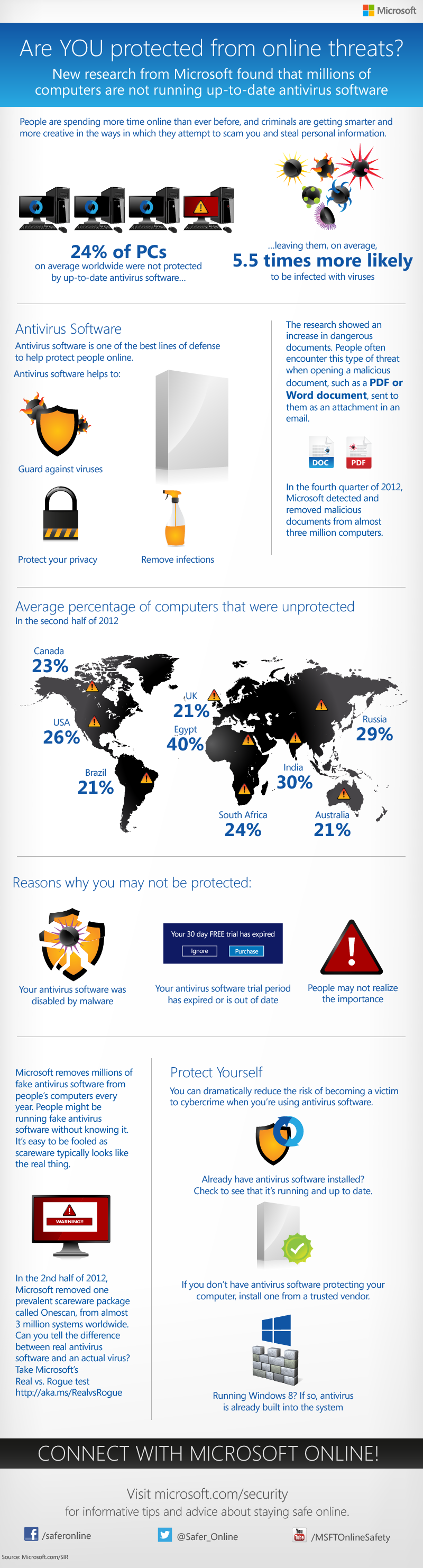
If you want to master how to secure computer without antivirus, start with the OS. Strong defaults help a lot. Tighten them a bit more.
Windows
- Turn on automatic updates. Include Microsoft Store and driver updates.
- Use a standard account. Keep UAC at the highest setting.
- Enable the Windows firewall. Block inbound connections you do not need.
- Turn on SmartScreen. It warns about risky sites and files.
- Enable Memory Integrity and Core Isolation if supported.
- Disable autorun for USB and external drives.
macOS
- Turn on automatic updates for system and apps.
- Keep Gatekeeper on. Allow only App Store and identified developers.
- Enable the firewall. Turn on stealth mode.
- Turn on FileVault. Full‑disk encryption protects lost devices.
Linux
- Keep packages updated. Use your distro’s updater.
- Enable the firewall (ufw or firewalld).
- Install only from official repos. Avoid random scripts.
Extra hardening
- Update BIOS/UEFI and firmware for the laptop and SSD.
- Keep Secure Boot on.
- Set a firmware password on macOS devices.
Use built-in protections the smart way
A big part of how to secure computer without antivirus is using what the OS gives you. Built‑in defenses are light and tuned for your device.
Windows
- Leave Windows Security features on. They scan downloads and block known bad sites.
- Use Smart App Control on Windows 11 if available. It blocks unknown apps.
- Turn on Controlled Folder Access to protect key folders from ransomware.
macOS
- Keep XProtect and system protections up to date by updating macOS.
- Use Safari’s fraudulent website warning and prevent cross‑site tracking.
All platforms
- Use a modern browser with safe browsing features on.
- Turn on automatic updates in every app that offers it.
These steps align with industry guidance. They are simple and effective for how to secure computer without antivirus.

Strengthen your network and Wi‑Fi
Another core piece of how to secure computer without antivirus is network hygiene. A clean network cuts many threats before they reach your laptop.
- Change your router’s admin password right now. Update the firmware.
- Use WPA3 or at least WPA2‑AES on Wi‑Fi. Avoid WEP and open networks.
- Create a guest network for friends and smart devices. Keep your main devices separate.
- Disable WPS and UPnP on the router unless you really need them.
- Use a secure DNS service with filtering. It blocks known bad domains.
At home, I split my smart bulbs onto a guest network. That one change stopped random traffic hitting my main PCs. Small changes like this matter when you plan how to secure computer without antivirus.

Browse, download, and email safely
Practical browsing rules drive how to secure computer without antivirus. One click can sink a ship, so make the click safer.
- Use a modern browser. Keep it updated.
- Turn on strict tracking protection and block third‑party cookies.
- Add one trusted content blocker. It reduces risky scripts and pop‑ups.
- Never run unknown files from email. Save them first, then scan with built‑in tools.
- Disable Office macros by default. Only enable for signed files you trust.
- Check links by hovering to see the real domain. Look carefully for small letter swaps.
For extra caution, open untrusted files in a virtual machine or Windows Sandbox. This isolates the threat. It is a great trick in how to secure computer without antivirus.

Control what can run: allow-list and sandbox
Allow‑listing is the secret sauce in how to secure computer without antivirus. If only approved apps can run, bad apps cannot start.
Windows
- Use Smart App Control or AppLocker on Pro/Enterprise. Allow only signed or known apps.
- Block unsigned scripts where you can. Review startup tasks monthly.
macOS
- Set System Settings to allow only App Store and identified developers.
- Approve kernel extensions and system changes with care.
All platforms
- Prefer sandboxed apps. They limit damage if something goes wrong.
- Use a virtual machine for risky software tests or old installers.
In my last team rollout, allow‑listing cut support tickets by half. People could do their work, and unknown apps never got a chance to run.
Identity, passwords, and MFA
Identity controls complete how to secure computer without antivirus. Attackers target you before they target your device.
- Use a password manager. Make unique, long passwords for every site.
- Turn on multi‑factor authentication everywhere. Prefer passkeys or security keys.
- Do not reuse your email or admin passwords across sites.
- Keep recovery methods updated and private.
I once helped a client recover from an email takeover. The fix was a manager app, passkeys, and strong MFA. No malware was found, but identity gaps had opened the door.
Backups that beat ransomware
Backups are the safety net in how to secure computer without antivirus. If you can restore fast, you can ignore ransom notes.
- Follow 3‑2‑1: three copies, two types of storage, one offsite or offline.
- Use versioned cloud storage for documents. Turn on file history.
- Keep one offline backup on an external drive. Unplug it after the backup.
- Test a restore each month. A backup you cannot restore is not a backup.
Ransomware often targets mapped drives. Offline copies stop that. This one habit has saved clients of mine many times.
Ongoing checks and light monitoring
Routine checks tie together how to secure computer without antivirus. You do not need heavy tools. A small checklist is enough.
- Review installed apps and startup items monthly. Remove what you do not use.
- Check browser extensions. Keep only what you trust and need.
- Glance at Task Manager or Activity Monitor. Look for odd CPU or network spikes.
- Scan downloads on demand with built‑in tools when in doubt.
Set a 15‑minute calendar reminder each month. This tiny ritual keeps your system clean and calm.
Safe software habits that stick
Your install habits decide how to secure computer without antivirus. Choose trust over speed.
- Download from the vendor’s site, not random mirrors.
- Verify checksums if the site provides them.
- Avoid cracks and pirated software. They are a common malware source.
- Update device drivers only from the PC maker or trusted sources.
- Keep your app list lean. Less to patch, less to break.
These habits sound small. But in my experience, they stop most incidents before they start.
Frequently Asked Questions of how to secure computer without antivirus
Is it safe to use a computer without third‑party antivirus?
Yes, if you stack layers: patches, built‑in defenses, smart browsing, and backups. This is the core of how to secure computer without antivirus for most home users.
What is the biggest risk when I skip extra antivirus?
Phishing and social tricks lead the list. Focus on email safety, link checks, and MFA to support how to secure computer without antivirus.
Do ad blockers really help security?
Yes. They cut risky scripts and malvertising. A clean page reduces drive‑by threats and supports how to secure computer without antivirus.
How do I open a suspicious file safely?
Use Windows Sandbox or a virtual machine. If that is not possible, do not open it at all.
Should I turn off built‑in Windows or macOS protections?
No. Keep built‑in protections on. Our plan for how to secure computer without antivirus means no extra suites, not less security.
Conclusion
You can build a strong, fast, and private setup without extra antivirus. Use layered habits: patch fast, limit what can run, browse smart, lock down accounts, and keep real backups. Add light monthly checks, and you will avoid most threats people face today.
Start with one change today. Turn on auto updates and set up a versioned backup. Then add a password manager and MFA. If this helped, subscribe for more practical guides, or leave a comment with your top tip for how to secure computer without antivirus.