Are you ready to unlock the secrets behind successful marketing strategies? Imagine having a toolkit that allows you to connect with your audience on multiple levels, creating a seamless and powerful brand experience.
This is where Integrated Marketing Communication (IMC) tools come into play. These tools are designed to help you craft cohesive messages that reach your customers through various channels, ensuring your brand voice is consistent and impactful. Curious to find out how these tools can transform your marketing efforts?
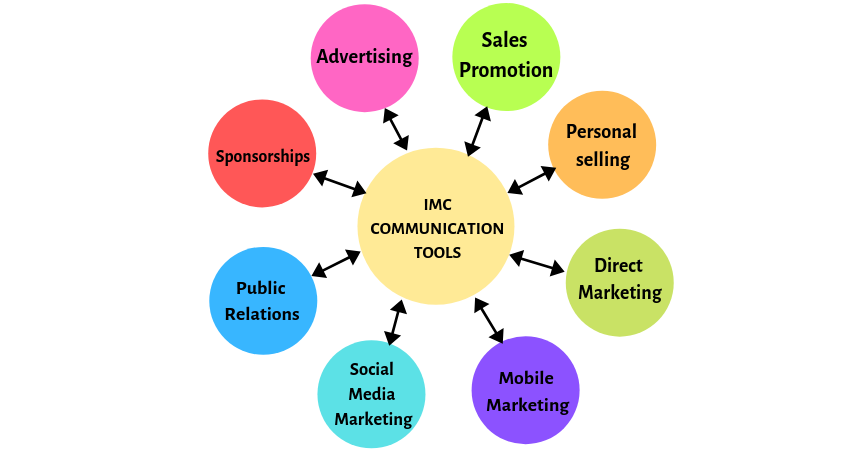
If you’ve ever wondered What are the Integrated Marketing Communication Tools: A Guide?, you’re in the right place. These tools bring together advertising, public relations, digital media, and direct marketing to deliver a consistent brand message.
In this guide, we’ll explore how IMC tools work, why they matter, and how you can use them to strengthen engagement and achieve better marketing results.
Stick around as we delve into the essentials of IMC tools and discover how they can enhance your brand's communication strategy.
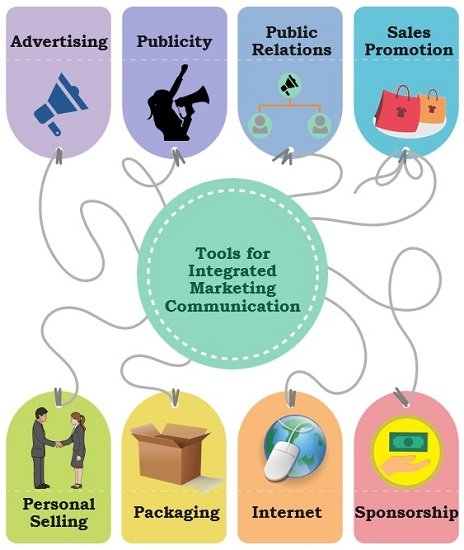
Credit: businessjargons.com
Integrated Marketing Communication Overview
Integrated Marketing Communication (IMC) aligns all marketing channels. This approach ensures a consistent brand message. Each channel works in harmony, enhancing overall impact. It combines traditional and digital marketing tools. The goal? To create a seamless customer experience. IMC builds stronger brand connections. It fosters trust and increases engagement. Understanding its tools is crucial for success.
Advertising
Advertising is a vital IMC tool. It reaches a broad audience quickly. TV, radio, and online ads are common forms. Ads create awareness and interest. They highlight product benefits effectively. Consistent messaging is key in advertising.
Public Relations
Public Relations (PR) builds and maintains a positive image. PR manages communication between a brand and the public. Press releases and events are PR tools. They help in crisis management too. PR aims to create goodwill and trust.
Sales Promotion
Sales promotion boosts short-term sales. It includes discounts, coupons, and contests. Promotions create urgency and incentivize buying. They attract new customers and reward loyal ones. Sales promotions are effective during peak seasons.
Direct Marketing
Direct marketing targets specific audiences. It involves direct mail, emails, and catalogs. Personalization is crucial in direct marketing. This tool allows for tailored messages. It often results in higher engagement rates.
Personal Selling
Personal selling involves direct interaction with customers. Sales representatives build relationships and trust. They offer personalized solutions. This tool is effective for complex products. Personal selling encourages immediate feedback and communication.
Digital Marketing
Digital marketing uses online platforms. It includes social media, SEO, and content marketing. Digital marketing reaches tech-savvy audiences. It offers real-time engagement and analytics. Consistency across digital channels is vital.
Social media marketing engages audiences on platforms like Facebook and Instagram. It builds brand communities and encourages dialogue. Social media enhances brand visibility. It allows for creative content sharing. Feedback is instant and measurable.
Content Marketing
Content marketing focuses on valuable information. Blogs, videos, and infographics are common formats. This tool educates and informs audiences. It builds authority and trust over time. Content marketing supports other IMC tools effectively.
Advertising Strategies
Advertising strategies are key in integrated marketing communication. They help businesses reach their audience effectively. Choosing the right strategy can boost brand visibility. It also increases customer engagement. Let's explore the different advertising tools.
Traditional Advertising Channels
Traditional advertising channels include TV, radio, and print media. These methods have been used for decades. They reach a wide audience. TV ads can capture attention with visuals and sound. Radio ads are great for reaching listeners on the go.
Print ads in newspapers and magazines offer a tangible experience. Billboards are another powerful tool. They reach commuters and pedestrians alike. Businesses often use these channels to build brand awareness.
Digital Advertising Platforms
Digital advertising platforms are crucial today. They include social media, search engines, and websites. Social media ads target specific audiences. Facebook, Instagram, and Twitter are popular choices. Search engine ads appear when users search for related terms. Google Ads is a leading platform for this.
Display ads on websites attract users with engaging visuals. Video ads on platforms like YouTube are also effective. They combine sight, sound, and motion to engage viewers. Digital platforms offer precise targeting. They allow businesses to reach the right audience at the right time.
Public Relations Tactics
Integrated Marketing Communication tools include advertising, direct marketing, and digital marketing. Public relations tactics also utilize social media and press releases. These tools work together to create a unified message.
Public relations tactics are essential tools within integrated marketing communication that help build and maintain a positive image for your brand. By strategically managing the flow of information and engaging with your audience, you can significantly enhance your brand's reputation and credibility.
Whether you're looking to nurture media relationships or navigate a crisis, having a well-thought-out PR strategy can make all the difference.
Media Relations
Effective media relations are like nurturing a friendship; it requires regular communication and genuine interest. Reach out to journalists and influencers who align with your brand values. Share newsworthy stories that highlight your brand's achievements or innovative products.
When I worked with a tech startup, we focused on showcasing our unique app features to tech bloggers. This resulted in several positive reviews, boosting our visibility. Consider what stories your brand can offer that will pique media interest. Do you have an inspiring founder story or a breakthrough product?
Crisis Management
Crisis management is about being prepared for the unexpected. It's not about avoiding problems, but rather how you handle them when they arise. Have a clear plan in place that outlines steps to take during a crisis, ensuring swift and effective communication. Once, a product recall threatened to tarnish our brand image.
We acted quickly, communicated transparently with our customers, and resolved the issue. This approach maintained customer trust and minimized negative impact. How prepared is your brand for a crisis? Do you have the right team and protocols in place? Regular training and simulations can be beneficial. They prepare your team to respond calmly and efficiently. Remember, in PR, it's not just about managing the crisis but emerging stronger from it.
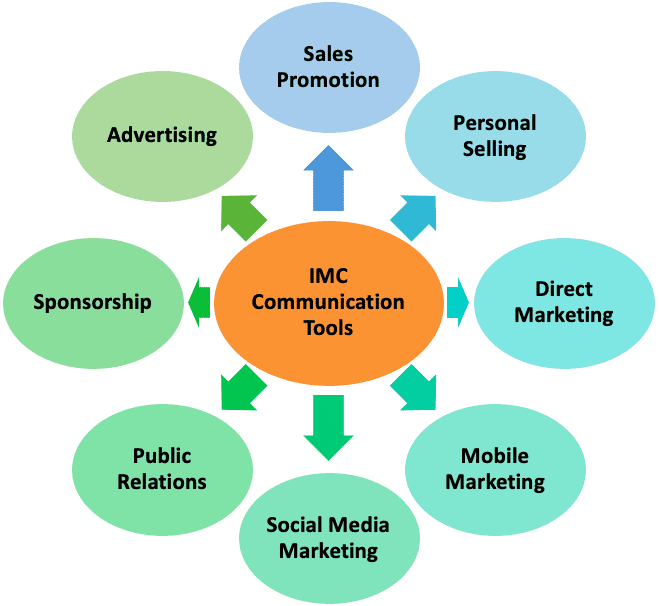
Credit: onentrepreneur.com
Sales Promotion Methods
Sales promotion methods are essential in boosting customer engagement and sales. They offer immediate incentives to purchase a product or service. These methods create urgency and excitement among consumers. Different tools help businesses attract and retain customers effectively.
Discounts And Offers
Discounts and offers are popular sales promotion tools. They provide customers with financial benefits. Percentage discounts are common, like "20% off". Buy-one-get-one-free deals attract many shoppers. Limited-time offers create a sense of urgency. Flash sales are brief but powerful.
Contests And Sweepstakes
Contests and sweepstakes engage customers creatively. They provide a fun way to win prizes. Contests require skill, like photo or video submissions. Sweepstakes rely on chance, requiring only an entry. Both methods boost brand visibility. They encourage customers to interact with the brand.
Direct Marketing Techniques
Direct marketing techniques are powerful tools in integrated marketing communication that allow businesses to connect with their audience personally and directly. These techniques focus on delivering messages straight to the consumer, often prompting immediate responses or actions. In a world where personal interaction can be rare, direct marketing brings that touch of individuality back into the conversation.
Email Marketing
Email marketing is like having a digital conversation with your customers. You can share news, updates, or special offers directly in their inbox. The key is to craft emails that feel personal and valuable. Have you ever opened an email that felt like a friend was talking to you, urging you to act? That's the power of personalized email marketing. Use catchy subject lines and relevant content to keep your audience engaged. Remember, your email should be a welcome guest, not an unwelcome intruder.
Telemarketing
Telemarketing might sound old-fashioned, but it's still alive and kicking. Having a real person on the phone can make a big difference. Imagine receiving a call where someone genuinely cares about your needs and offers a solution. That's what effective telemarketing aims to do. It's all about building relationships and trust over the phone.
Wouldn't you prefer talking to someone who listens and understands your requirements? Use telemarketing to create a personal connection and gather feedback directly from your customers. Always ensure your calls are relevant and respectful to maintain a positive experience.
Personal Selling Approaches
Personal selling approaches are vital in integrated marketing communication. They connect directly with customers, establishing trust and understanding. By focusing on personalized interaction, businesses can tailor their messages to meet individual needs. This direct approach often leads to higher conversion rates. It helps in building lasting relationships with customers.
Relationship Building
Building strong relationships is crucial in personal selling. Salespersons engage customers by understanding their needs and preferences. They listen actively, offering solutions that align with customer goals. This creates a foundation of trust and loyalty. A well-built relationship encourages repeat business. It fosters positive word-of-mouth recommendations.
Customer Engagement
Customer engagement involves interactive communication. Salespersons use questions to understand customer concerns. They provide information that answers specific queries. This approach keeps the customer involved. Active engagement helps in clarifying doubts and building confidence. Engaged customers are more likely to make purchases. They feel valued and understood.
Social Media Marketing
Social media marketing is a powerful tool in integrated marketing communication. It connects brands with audiences in real-time. This tool enables businesses to engage, inform, and convert users. Leveraging social media platforms boosts brand visibility and fosters customer loyalty.
Content Creation
Creating valuable content attracts and engages audiences. It includes videos, blog posts, and infographics. Content should be relevant and shareable. Engaging content increases user interaction and brand awareness. It also helps in building trust and credibility with the audience.
Community Building
Building a community around your brand fosters loyalty. It encourages users to interact and share experiences. A strong community supports brand advocacy and generates organic growth. Engage with followers regularly to strengthen relationships. Responding to comments and messages builds trust and rapport.
Content Marketing Strategies
Content marketing strategies play a vital role in integrated marketing. They help in connecting with audiences through valuable content. This approach involves creating and sharing materials that engage and inform. Let's explore two key components: blogging and video content.
Blogging
Blogging is a powerful tool for sharing knowledge. It builds trust and authority in your field. Each blog post should address a specific topic. Make sure it provides value to the reader. Use simple language and clear ideas. This helps in reaching a wider audience. Regular updates keep the audience engaged. Readers return for fresh insights. Search engines favor websites with updated content. This improves your site's visibility online.
Video Content
Video content captures attention quickly. It is an effective storytelling medium. Videos can showcase products, share customer testimonials, or offer tutorials. They engage viewers in a dynamic way. Short, informative videos hold attention better. Use clear visuals and simple scripts. This ensures the message is understood. Videos can be shared across various platforms. This expands your reach and increases engagement.
Event Marketing Ideas
Event marketing ideas can boost brand awareness and customer engagement. They offer unique ways to connect with audiences and showcase products. Effective event marketing requires creativity and strategic planning. Businesses can choose from various event formats to match their goals.
Trade Shows
Trade shows are great platforms for networking and showcasing products. Businesses can meet potential clients and industry partners. Setting up an attractive booth draws attention. Interactive displays engage visitors and spark interest. Offering free samples or demonstrations creates memorable experiences. Collecting contact information helps build future relationships.
Webinars
Webinars allow businesses to share knowledge with a wide audience. They are cost-effective and easy to set up. Experts can present valuable insights in real-time. Engaging content keeps attendees interested. Interactive Q&A sessions encourage participation. Recording webinars extends their reach beyond live viewers. Sharing these recordings on social media can attract more leads.
Credit: alejandrorioja.com
The Importance Of Integration
Integrated Marketing Communication (IMC) is crucial for effective brand communication. It ensures all marketing messages align and work together. This creates a seamless experience for consumers. Integration maximizes the impact and reach of marketing efforts. It brings together various channels and strategies. This unified approach is more efficient and impactful.
Consistency In Messaging
Consistency builds trust with your audience. It ensures your message is clear and recognizable. Every channel must speak the same language. This reinforces your brand identity. A consistent message minimizes confusion. It helps consumers connect with your brand. It supports brand recall and loyalty.
Cross-channel Synergy
Cross-channel synergy amplifies marketing effectiveness. Each channel complements the other. They work in harmony to reach wider audiences. Synergy boosts engagement and conversion rates. It leverages the strengths of different platforms. This coordinated effort enhances customer experience. It increases your brand's visibility and impact.
Frequently Asked Questions
What Are Integrated Marketing Communication Tools?
Integrated marketing communication tools include advertising, public relations, social media, direct marketing, and sales promotions. They help create a unified brand message across various channels. These tools enhance customer engagement, increase brand awareness, and drive sales effectively.
What Are The 8 Tools Of Imc?
Integrated Marketing Communications (IMC) include advertising, sales promotion, public relations, direct marketing, personal selling, sponsorship, digital marketing, and social media. These tools work together to create a cohesive brand message.
What Are The 5 Integrated Marketing Communications?
The five integrated marketing communications are advertising, public relations, sales promotion, direct marketing, and personal selling. These elements work together to create consistent messaging. They help businesses reach and engage their target audience effectively. Utilizing these strategies enhances brand visibility and boosts sales.
What Are The 4 C's Of Integrated Marketing Communication?
The 4 C's of integrated marketing communication are coherence, consistency, continuity, and complementary. Coherence ensures a unified message. Consistency maintains uniformity across channels. Continuity provides a seamless communication flow. Complementary strategies enhance the overall impact. These elements work together to create effective communication.
Conclusion
Integrated marketing communication tools enhance brand consistency. They blend various channels effectively. This creates a unified message that resonates with audiences. Businesses can reach their target market more efficiently. Consistent messaging builds trust and recognition. It's crucial to choose the right tools for your goals.
Understanding your audience helps in selecting effective strategies. These tools include advertising, public relations, and digital marketing. Each tool plays a unique role in promoting your brand. Using them together maximizes impact. Ultimately, integrating these tools strengthens your marketing efforts.
It ensures your brand stands out in a crowded market.