

Agile project software gives you end-to-end delivery control; task managers keep personal to-dos on track.
Picture this: your team juggles deadlines, features, and shifting scope. You have sticky notes, a shared spreadsheet, and a basic to-do app. Yet handoffs slip, sprints drift, and no one sees risks early. The right tool can change that. Agile project software connects planning, execution, and feedback in one flow. Task managers shine for simple lists and quick wins. Picking the right fit matters. In this deep-dive review, I explain agile project software vs task managers in plain, practical terms. I also share products, books, and tools that help you manage work smarter, whether you lead a Scrum team or track a simple project calendar.
ProjectLibre for PC (Open Source)
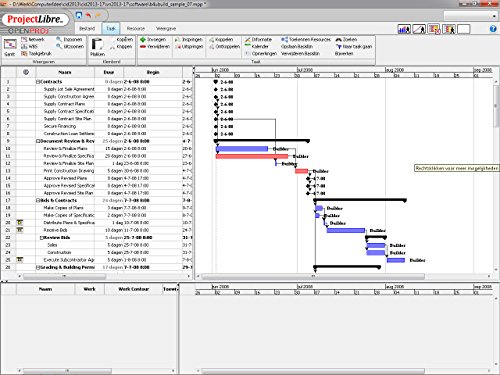
ProjectLibre is a well-known open-source alternative to classic project scheduling tools. It offers Gantt charts, resource assignments, and baselines, so you can plan and monitor work with structure. It fits small teams and budget-conscious managers who need serious scheduling without pricey licenses. If you’ve used MS Project, you’ll feel right at home with the timeline views and dependencies.
While ProjectLibre is not a full agile suite, it supports hybrid planning well. You can plan sprints as timeboxes and map tasks across a real schedule. It helps you see the critical path, so you catch risks early. For teams stepping up from simple task managers, ProjectLibre can bridge the gap toward more robust planning discipline.
Pros:
- Free and open source with active community support
- Gantt charts, dependencies, and critical path tracking
- Familiar feel for MS Project users
- Good for cost-constrained teams and nonprofits
- Solid for hybrid planning with sprints and milestones
Cons:
- Limited native agile boards and velocity tracking
- UI feels dated compared to modern cloud tools
- Collaboration is not as seamless as web-first platforms
My Recommendation
If you’re weighing agile project software vs task managers, ProjectLibre suits teams that outgrew simple lists. It is best when you need real schedules, resource views, and cost awareness. It’s not a full Scrum board, but it plays well in hybrid setups where delivery dates matter. Use it to plan, then pair with a backlog board if you want full agile ceremonies in one place.
| Best for | Why |
|---|---|
| Hybrid project planning | Strong Gantt and dependency features |
| Budget-conscious teams | Open source with no license cost |
| MS Project migrants | Familiar layout and scheduling flow |
Software Project Management For Dummies

This book gives a plain-English map for running software projects from start to finish. It covers planning, estimation, risk, and communication, with lots of examples. If you’re new to software delivery, it demystifies jargon and shows what to do next. It also helps you avoid classic traps like scope creep and weak stakeholder alignment.
When you compare agile project software vs task managers, this guide shows the bigger picture. You see how a backlog, a schedule, and a budget fit together. You learn when to use a Kanban board and when a Gantt chart makes sense. By the end, you can match your tool choice to your real project needs.
Pros:
- Simple language and step-by-step guidance
- Covers agile and traditional basics without bias
- Great for new PMs and first-time team leads
- Real-world advice on risks and stakeholder management
- Helps you choose the right tool for the job
Cons:
- Not a deep-dive into advanced agile metrics
- Examples can feel basic for senior managers
- Focuses more on process than on tool configuration
My Recommendation
If you’re overwhelmed by agile project software vs task managers, start here. This book is best for beginners and cross-functional leaders who need the “why” before the “what.” Use it to build judgment, then pick your stack with confidence. It pays off fast when you set up your team’s workflow the right way.
| Best for | Why |
|---|---|
| New project managers | Clear steps and no jargon |
| Team leads in small orgs | Helps connect process to tools |
| Tool selection planning | Explains trade-offs and use cases |
Become an Effective Engineering Manager

This leadership guide shows how to move from coding to coaching. It covers hiring, performance, roadmaps, and stakeholder trust. You also get tools for 1:1s, feedback, and aligning teams to goals. It reads fast and gives you scripts you can use today.
You cannot answer agile project software vs task managers without people in mind. This book helps you build rituals, like weekly priority reviews and sprint planning that stick. It also teaches you to measure throughput, not just task count. With those habits, any tool you choose works better, because the team culture is strong.
Pros:
- Actionable tips for first-time managers
- Focus on coaching, not micro-management
- Great frameworks for career growth and reviews
- Helps align product, engineering, and execs
- Makes process visible and easy to adopt
Cons:
- Less detail on technical architecture decisions
- Not a tool manual; it’s a people manual
- Some advice may feel basic to senior directors
My Recommendation
For leaders facing agile project software vs task managers, this is a must-read. It is best for new EMs and tech leads who want structure without heavy process. Use it to build trust and rituals, then select tools that fit those rituals. You will see faster delivery and fewer surprises.
| Best for | Why |
|---|---|
| New engineering managers | Clear playbooks and scripts |
| Team alignment | Focus on goals and outcomes |
| Process adoption | Easy habits that stick |
SchedulePro Project & Calendar (Windows)

SchedulePro brings classic scheduling and calendar views to Windows PCs. You can lay out projects, set due dates, and see conflicts at a glance. It supports resources and reminders, which helps small teams keep a clean timeline. If you need a lightweight planner, it gets the job done.
On the agile project software vs task managers spectrum, SchedulePro sits in the middle. It is more than a list, but less than a full agile platform. It suits teams that plan in weeks and months, with clear handoffs. It also helps non-technical stakeholders see dates without learning a new backlog tool.
Pros:
- Simple calendar-first planning
- Easy to learn for office users
- Handles resource conflicts
- Good for small teams and local setups
- Clear visual timelines for stakeholders
Cons:
- Windows-only limits mixed environments
- Not built for Scrum boards or velocity
- Limited integrations with modern cloud suites
My Recommendation
Choose SchedulePro if you lean toward dates and calendars in the agile project software vs task managers debate. It is best for operations teams, agencies, and offices that organize by schedule. If you later need burndowns and WIP limits, you can add a Kanban tool. As a first step for structured planning, it is simple and clear.
| Best for | Why |
|---|---|
| Calendar-led planning | Strong date and conflict views |
| Small Windows teams | Lightweight and familiar UI |
| Stakeholder updates | Easy to present timelines |
Making Things Happen

This classic by a former Microsoft PM boils down project truths that do not age. It shows how to get clarity, cut scope, and keep promise dates. The tone is direct and often funny, which makes it easy to re-read. It is full of stories that stick.
If you’re stuck on agile project software vs task managers, this book pulls you back to basics. It reminds you that tools serve goals, not the other way around. It teaches the art of making trade-offs when reality hits. With that lens, you use any tool better and ship with less stress.
Pros:
- Timeless lessons for any methodology
- Short chapters with strong takeaways
- Focus on results, not rituals
- Great for PMs and product folks alike
- Helps teams cut scope with confidence
Cons:
- Not a step-by-step tool guide
- Some examples feel dated but still relevant
- Light on modern remote team workflows
My Recommendation
Read this if you want clarity before picking between agile project software vs task managers. It is best for PMs, product managers, and tech leads who face tough calls daily. It helps you trim noise and focus on outcomes. Pair it with any tool, and your team will feel the difference.
| Best for | Why |
|---|---|
| Outcome-focused teams | Emphasis on clarity and scope control |
| New PMs | Practical advice you can apply today |
| Cross-functional leaders | Broad lessons across roles |
Agile Project Management with Scrum

This book is a staple for anyone serious about Scrum. It breaks down roles, events, and artifacts with stories from real projects. You get insights on backlog grooming, sprint reviews, and dealing with blockers. The focus is on value and feedback loops.
In the agile project software vs task managers decision, this pushes you toward agile platforms. You learn how burndowns and velocity inform planning. You see why a task list alone cannot expose flow or predictability. After reading, you can run a clean sprint and coach the team to steady delivery.
Pros:
- Real stories from software projects
- Clear explanations of Scrum roles and events
- Strong focus on inspecting and adapting
- Great foundation for Scrum Masters
- Helps build measurable predictability
Cons:
- Scrum-heavy; light on Kanban or hybrid patterns
- Assumes some team stability
- Not a tool configuration manual
My Recommendation
If you’re moving beyond task lists, this teaches the “why” behind agile project software vs task managers. It is best for Scrum teams, product owners, and PMs who need cadence and clarity. Read it, then choose a tool that supports the ceremonies well. Your standups and sprint reviews will improve fast.
| Best for | Why |
|---|---|
| Scrum teams | Step-by-step guidance on roles and events |
| Product owners | Backlog and value focus |
| Scrum Masters | Coaching tips that stick |
AI Revolution in Project Management

This book dives into how generative AI boosts planning and execution. It explains AI-driven estimates, risk signals, and auto-generated status updates. You’ll see how to reduce admin time and surface insights early. It also warns where AI can mislead and how to stay in control.
For agile project software vs task managers, AI is a tipping point. Agile platforms now predict sprint capacity and suggest backlog breaks. Task managers seldom reach this level of insight. If you run complex work, AI features can pay for themselves in fewer misses and faster course-corrects.
Pros:
- Clear examples of AI use in planning
- Balanced view of benefits and risks
- Practical guardrails for responsible use
- Helps reduce reporting overhead
- Future-proof skills for modern PMs
Cons:
- Some ideas need tool support to apply
- New concepts may overwhelm beginners
- Rapidly evolving area; updates will be needed
My Recommendation
If you are debating agile project software vs task managers in 2026 and beyond, read this. It is best for PMs and leaders who want to harness AI for planning and reporting. Use it to choose tools with smart insights, not just boards. Your team gets time back to build, not babysit spreadsheets.
| Best for | Why |
|---|---|
| Data-driven PMs | AI estimates and risk insights |
| Busy teams | Automates status and reporting |
| Strategic leaders | Focus on outcomes over admin |
Effective Project Management (Hybrid)

This comprehensive guide covers traditional, agile, extreme, and hybrid methods. It shows how to shape a delivery approach to project risk and context. You get templates, checklists, and real-world case studies. It is a rich resource for PMs who manage many project types.
In agile project software vs task managers, hybrid is often the real world. This book helps you combine sprints for build work with stage gates for compliance. It gives you language to align execs and devs. With that, you can pick tools that map to your hybrid structure with fewer compromises.
Pros:
- Wide coverage of methods and contexts
- Templates you can adapt quickly
- Strong on risk-based tailoring
- Useful for PMOs and senior PMs
- Supports cross-industry projects
Cons:
- Dense; not a quick read
- Can feel academic in parts
- Needs translation into team-level rituals
My Recommendation
If your world is mixed, this helps you decide agile project software vs task managers per project. It is best for PMs who run regulated or multi-team efforts. Use it to define a hybrid workflow, then select tools that support both sprints and stage gates. Expect less friction with stakeholders.
| Best for | Why |
|---|---|
| Hybrid delivery | Guidance across methods |
| PMO leaders | Templates and governance patterns |
| Complex projects | Tailored approach to risk |
The Project Management Blueprint

This beginner-friendly book lays out a simple path to PM success. It breaks big tasks into steps and helps you plan, execute, and close without drama. The tone is friendly and encourages action. It’s a great start for someone asked to run a project “on the side.”
If you’re lost between agile project software vs task managers, this book builds your confidence. It shows how to write a basic plan, set scope, and track progress. It also helps you talk to stakeholders with simple status updates. Once you have that base, upgrading tools is easy.
Pros:
- Very easy to follow
- Good examples and checklists
- Great for accidental PMs
- Supports both simple and moderate projects
- Helps with stakeholder communication
Cons:
- Not deep on advanced agile metrics
- Some advice is high level
- Less useful for very large programs
My Recommendation
Pick this if you need a quick win in agile project software vs task managers. It is best for beginners and cross-functional team members who need a clear plan. Use it to build a simple process, then add tools as work grows. It shortens the learning curve a lot.
| Best for | Why |
|---|---|
| Beginners | Step-by-step, friendly tone |
| Small projects | Fast setup and tracking |
| Accidental PMs | Ready-to-use checklists |
Project Management Mastery

This guide focuses on planning, scope, and execution from idea to done. It gives you strong foundations in scoping and change control. You’ll learn how to set baselines, handle risks, and keep stakeholders aligned. It’s a structured approach that works across industries.
When you compare agile project software vs task managers, this book shows the power of clear scope. It helps you define what “done” means and avoid churn. That clarity feeds into any tool, from a Kanban board to a Gantt chart. You’ll reduce rework and protect timelines.
Pros:
- Strong on scope management
- Good risk and change control basics
- Useful for cross-industry PMs
- Clear step-by-step approach
- Makes stakeholder alignment easier
Cons:
- Less focused on Scrum rituals
- More formal than some teams prefer
- Needs adaptation for very agile startups
My Recommendation
If scope pain burns your team, read this before picking agile project software vs task managers. It is best for PMs who need control and clarity in complex work. Apply the methods, then select tools that reinforce your scope rules. Your estimates and delivery will improve.
| Best for | Why |
|---|---|
| Scope-heavy projects | Clear baselines and change control |
| Client services | Protects budgets and timelines |
| Cross-industry PMs | Universal planning principles |
ProjectLibre for PC [Open Source Download]
Note: I covered ProjectLibre above because it sits close to traditional planning. It’s worth repeating in context. If you’re moving from spreadsheets, this gives a big upgrade in visibility. You can track dependencies, resources, and baselines in one place.
In agile project software vs task managers, ProjectLibre helps teams who need dates and deliverables. It shines when you mix agile build work with fixed launch deadlines. Add a light board for daily execution and keep ProjectLibre for schedule truth. That combo is powerful and affordable.
Pros:
- Zero license cost for robust scheduling
- Good for formal project tracking
- Pairs well with Kanban tools
- Resource and cost features
- Community-driven improvements
Cons:
- Not a cloud-native collaboration tool
- Agile ceremonies require extra setup
- Reporting is functional but basic
My Recommendation
If you need schedule truth in the agile project software vs task managers debate, try ProjectLibre. It is best for teams under cost pressure that still need pro-level plans. Keep it as your master plan and run daily work on a team board. You get control without losing agility.
| Best for | Why |
|---|---|
| Cost-sensitive PMOs | Free, capable scheduling |
| Hybrid teams | Mixes sprints with date-driven deliverables |
| Resource planning | Assigns work and tracks load |
Agile vs Task Managers: What Matters Most
Before I move to FAQs and the final verdict, I want to be crystal clear. Picking between agile project software vs task managers starts with your project’s nature. Simple workflows with one person or a tiny team? A task manager may be enough. Multi-team delivery, changing scope, and shared outcomes? An agile platform or hybrid suite wins.
Here is how I frame it. Task managers track what to do. Agile project software shows why, when, and how it connects to value. The second path takes more setup. But it pays back with predictability, better reporting, and fewer surprises.
FAQs Of agile project software vs task managers
What’s the core difference between agile software and task managers?
Task managers track to-dos. Agile project software ties strategy, backlog, sprints, and delivery. It adds forecasting, metrics, and stakeholder views.
When is a task manager enough?
Small teams, simple workflows, and short cycles. If dependencies are minimal and dates are flexible, a task app can work.
When do I need agile project software?
Multi-team work, shifting scope, compliance, or fixed deadlines. You need boards, burndowns, roadmaps, and risk tracking.
Can I mix both tools?
Yes. Many teams plan sprints and roadmaps in agile software, then use a task app for personal to-dos and notes.
How does AI change the choice?
AI in agile platforms improves estimates and risk detection. It saves reporting time. Task apps rarely offer that depth.
Final Verdict: Which Should You Buy?
If your work is simple and personal, a task manager is fine. If your work spans teams, risk, or deadlines, pick agile project software.
Think in terms of outcomes. Agile project software vs task managers is about control and clarity. Choose the path that cuts risk and boosts delivery speed.


