Build a strong typing base by teaching home-row habits, posture, and daily practice.
If you want to know how to build kids typing foundation, you’re in the right place. I’ve taught dozens of kids to type, from reluctant beginners to fast, accurate typists. In this guide, I’ll show you what works, why it works, and how to make progress that sticks. You’ll get a clear plan, practical tools, and research-backed tips to help your child master typing for school and life.
Why Typing Matters for Kids Today
Typing is the new handwriting. Strong typing skills save time, reduce stress, and lift grades. Kids who type well can focus on ideas, not keys.
Research links motor fluency with better writing output. Studies also show that good posture reduces strain and boosts focus. These benefits add up fast in school work and creative play.
Typing is not only speed. It is accuracy, endurance, and comfort. That is why how to build kids typing foundation should be your first step, not rushing to a speed goal.

Core Principles: how to build kids typing foundation
The core rules are simple. Learn home row, keep eyes on the screen, and use the right finger for each key. Add short daily sessions, and speed will follow.
Start with posture. Feet flat. Wrists straight. Shoulders relaxed. Place fingers on ASDF JKL; and return there after each key. Train accuracy first and speed second.
Use touch-typing from day one. Do not let kids hunt and peck. Build muscle memory with slow, clean reps. A clean habit now saves months later.
Setup That Sets Kids Up: Ergonomics and Tools
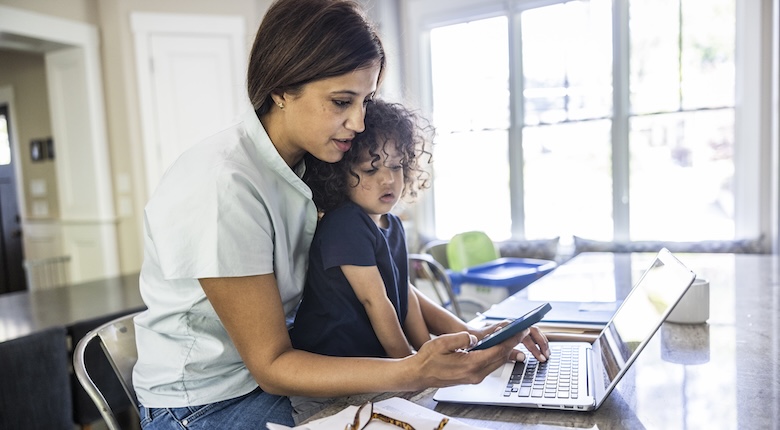
Your setup can make or break progress. A child-sized chair helps keep elbows at about 90 degrees. Keep the keyboard flat on the desk and close to the edge.
Use an external keyboard with laptops. Small hands do better with low-force keys. Backlit keys help in low light and reduce eye strain.
Adjust the screen to eye level. This reduces neck strain and makes it easier to keep eyes on the screen. Good ergonomics supports how to build kids typing foundation without fatigue.

Step-by-Step Plan: First 30 Days
Follow this simple plan. Keep sessions short and fun. Aim for 10 to 15 minutes a day.
Week 1: Home row and posture
- Learn ASDF JKL; with correct fingers.
- Practice slow drills, five minutes at a time.
- End each drill by returning to home row.
Week 2: Top row and bottom row
- Add E R T and U I O keys.
- Add C V B and N M keys.
- Keep eyes on screen. Use a paper cover over hands if needed.
Week 3: Common words and punctuation
- Drill the, and, for, you, was, with.
- Add , . ? and basic quotes.
- Track accuracy daily.
Week 4: Short copy work and games
- Type 2-3 sentences from favorite books.
- Use light games that reward accuracy.
- Set a tiny speed goal with 97% accuracy.
Stick to this plan and you’ll see steady progress. It is a simple map for how to build kids typing foundation that lasts.

Techniques That Stick: Games, Drills, and Real-World Practice
Mix drills with real tasks. Kids learn faster when practice feels useful and fun. Rotate formats to keep it fresh.
Use micro-drills
- 60 seconds of one key pair like F-J.
- Two-minute word bursts using only learned keys.
- Shadow typing: read a line, then type from memory.
Layer in games
- Choose games that lock keys to correct fingers.
- Reward streaks of 100% accuracy.
- Keep sessions short to prevent sloppy habits.
Add real writing
- Type a joke of the day or a short note to a family member.
- Copy a paragraph from a favorite story.
- Build a mini typing journal three days a week.
This blend speeds up how to build kids typing foundation while keeping joy in the process.

Coaching Tips from Experience
I have seen kids plateau when they rush speed or skip posture. The fix is simple. Slow down, reset form, and rebuild clean reps.
Make accuracy the hero. Set a rule: 97% accuracy before speed. Praise process, not just WPM. This builds grit and pride.
Use silent cues. A gentle tap to remind “eyes up.” A soft “home row” whisper instead of stopping the session. Small nudges help how to build kids typing foundation without stress.

Motivation, Feedback, and Healthy Screen Habits
Motivation grows with small wins. Use sticker charts, badges, or a family scoreboard. Tie rewards to consistency, not just speed.
Give fast feedback. Show error heatmaps and celebrate cleaner lines week to week. Keep practice short and frequent to protect focus and health.
Follow age-appropriate screen time guidance. Take breaks every 10 minutes for younger kids. Quick hand stretches help prevent strain and support how to build kids typing foundation the safe way.

Measuring Progress: Benchmarks by Age and Tools
Use simple checkpoints. Track WPM and accuracy weekly. Graph progress to show momentum.
Approximate goals
- Ages 6–7: 8–12 WPM at 95–97% accuracy.
- Ages 8–9: 15–25 WPM at 97% accuracy.
- Ages 10–12: 25–40 WPM at 97–99% accuracy.
Use basic tools
- Online typing tests with finger maps.
- Printable key charts for quick reference.
- A simple spreadsheet to log dates, WPM, and accuracy.
This data-driven view keeps how to build kids typing foundation objective and calm.

Troubleshooting Common Hurdles
Eyes drop to the keys
- Use a light cloth over hands.
- Dim keyboard lights and keep screen bright.
- Call out “home row” and reset.
Wrong fingers on keys
- Practice slow key-pair ladders like F-G-F-G.
- Use color-coded key charts.
- Add 30-second “form checks” mid-session.
Speed before accuracy
- Lock speed goals until accuracy hits 97%.
- Use one-minute accuracy sprints.
- Reward clean streaks, not raw WPM.
These small fixes safeguard how to build kids typing foundation during the messy middle.
Advanced Next Steps After the Foundation
When form is solid, build range. Add numbers, symbols, and shortcuts. Teach simple hotkeys like Ctrl+C, Ctrl+V, and Ctrl+Z.
Explore touch-typing challenges. Try dictation-to-typing practice for focus and rhythm. Mix creative writing with timed copies.
Introduce light coding or typing-based puzzles. This keeps skills sharp while opening new doors. It is a natural extension of how to build kids typing foundation into real-world tech skills.
Frequently Asked Questions of how to build kids typing foundation
What age should kids start learning to type?
Most kids can start at six to seven with very short sessions. Focus on posture and home row first, not speed.
How long should practice sessions be?
Ten to fifteen minutes a day is enough for most kids. Short, frequent sessions build habits better than long, rare ones.
Should I teach accuracy or speed first?
Teach accuracy first. Speed comes fast once the brain trusts the finger paths.
Are typing games good for beginners?
Yes, if the game enforces correct finger use and short rounds. Choose games that reward accuracy more than speed.
What is a good beginner goal for WPM?
Start with 10–15 WPM at 97% accuracy. Raise speed only after the child can hold form.
Do kids need an external keyboard?
It helps, especially with laptops. Low-force keys and a stable layout support better form.
How do I stop my child from looking at the keys?
Cover the hands, raise the screen, and use short accuracy drills. Praise “eyes up” moments right away.
Conclusion
Building a strong typing base is simple when you focus on form, short practice, and steady feedback. Start with home row, posture, and accuracy, then layer fun drills and real writing. Keep sessions short and celebrate small wins.
Choose one tip today and try it for a week. If you found this helpful, subscribe for more guides, or share your questions in the comments so we can help you master how to build kids typing foundation together.