Build thinking confidence by praising effort, modeling curiosity, and offering safe challenges.
If you want to know how to build kids thinking confidence, you are in the right place. I have coached students, trained teachers, and helped parents shape strong thinkers for years. In this guide, I combine research, field-tested tools, and real stories. You will learn how to build kids thinking confidence with simple steps you can use today, in class or at home.
Why thinking confidence matters
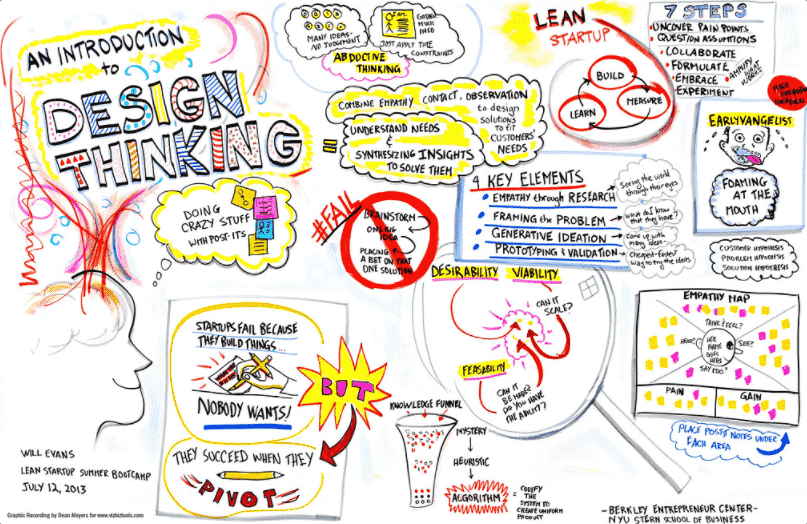
Thinking confidence is the belief that “I can figure this out.” It links effort to growth and turns mistakes into feedback. Kids with strong thinking confidence try harder, persist longer, and enjoy learning more. Over time, they take on harder tasks without fear and build real skill.
In my work, the biggest shift comes when kids see struggle as normal. They stop asking, “Am I smart?” and start asking, “What is my next step?” If you are asking how to build kids thinking confidence, start by shaping that belief. Praise the process, not the label.

Core principles that set the foundation
If you ask how to build kids thinking confidence, start with these core ideas. They change the climate in which kids think and try.
- Use process praise. Say, “You tried two methods and checked your work,” not “You’re so smart.” Research shows process praise lifts persistence.
- Normalize struggle. Tell stories about your own mistakes and what you learned.
- Offer just-right challenges. Make tasks a stretch, but not a cliff.
- Ask open questions. Use “What makes you say that?” and “What else could work?”
- Give wait time. Silent seconds help kids form thoughts without pressure.
- Teach thinking words. Words like strategy, pattern, and evidence guide action.
- Share thinking out loud. Model your steps and your corrections.
- Build autonomy. Offer choices in tools, order, or partners.
- Reflect often. End tasks with, “What helped? What will you try next?”
These ideas are the backbone of how to build kids thinking confidence in any setting, from kitchen tables to classrooms.
Practical daily habits and routines
The fastest way to learn how to build kids thinking confidence is to make it a daily habit. Small, steady routines beat rare big moments.
- Start with a Wonder Question. Ask, “What did you notice today that made you think?”
- Try Think-Aloud time. Solve a simple problem and share every step you take.
- Do five-minute puzzles. Short logic or pattern tasks build grit without stress.
- Use Choice Time. Offer a menu: sketch a plan, build a model, write a plan.
- Keep a Reflection Note. One sentence: “Today I learned… Next time I will…”
- Host family micro-debates. Pick a silly topic and use reasons and evidence.
- Keep tools handy. Pencils, blocks, cards, sticky notes, timers, and a whiteboard.
- Move and rest. Short walks and good sleep boost focus and mood.
If you wonder how to build kids thinking confidence during busy weeks, use two-minute routines. Two minutes of reflection can shape a whole mindset.

Coaching strategies for parents and teachers
Language is your strongest lever when learning how to build kids thinking confidence. Scripts help under stress.
- Use these phrases:
- “What is your first small step?”
- “Show me how you tried to solve it.”
- “What worked a little? Let’s build on that.”
- “Which strategy will you test next, and why?”
- Give feedback in three parts:
- Notice the effort or strategy.
- Name a micro-skill to grow.
- Offer a clear next step.
- Set the right level of help:
- Ask before you tell.
- Nudge before you show.
- Show only when stuck for long.
I once coached a shy third grader who froze at word problems. We built a three-step card: read, draw, plan. In two weeks, he started each task with the card and shared his plan out loud. The card was small, but the control he felt was huge. This is how to build kids thinking confidence: tiny tools that kids own.

Activities and games that grow thinking skills
Here are simple, high-yield tools you can use today. They build skill and pride at the same time.
- Build-and-explain challenges. Use blocks or LEGO. Ask kids to build a bridge and explain their design.
- Logic grids and riddles. Start with easy sets to build wins, then raise the level.
- Coding toys or apps. Focus on sequencing and debugging, not speed or scores.
- Story math. Turn problems into stories kids care about and sketch a model.
- Board games for strategy. Try Connect 4, Mastermind, or chess endgames.
- Maker projects. Give scrap parts and a prompt: “Make a device that moves a marble.”
For anyone asking how to build kids thinking confidence, the trick is to scale challenge. Start easy, name the strategy, then increase the level. Celebrate each step, not just the finish.

Handling mistakes, anxiety, and perfectionism
Fear blocks thinking. Teach kids to face hard work in small, safe steps.
- Make a Mistake Map. List three common errors and one fix for each.
- Use a Worry Scale from 1 to 10. Rate the task, pick a tool, start for five minutes.
- Teach self-talk. “I can try one step,” “I can check,” “I can ask for a hint.”
- Do tiny exposures. Try a slightly harder puzzle with support, then reflect.
Many parents ask how to build kids thinking confidence when kids fear being wrong. The answer is to pair emotion tools with thinking tools. Calm first, then plan, then do.

Measuring progress without pressure
You can track growth without grades or stress. Focus on skills and steps.
- Use a simple skills checklist. Planning, checking, explaining, and trying again.
- Keep a growth folder. Save one sample per week with a one-line reflection.
- Set S.M.A.R.T. micro-goals. “Explain my plan in two steps by Friday.”
- Share wins every week. Ask, “Which strategy did you use more this week?”
I measure progress by what kids can name about their own thinking. When they say, “I used a table because the numbers repeated,” I know the mindset is set. This is a clean sign of how to build kids thinking confidence over time.

Common pitfalls to avoid
Avoid these traps that weaken thinking confidence.
- Solving too fast for kids. Let them wrestle a bit before you step in.
- Label praise. “You’re a genius” sounds nice but raises fear of failure.
- Comparison to peers or siblings. It kills risk-taking and trust.
- Over-scheduling. Kids need boredom time to think and create.
- Tech as a crutch. Use it to explore, not to avoid effort.
- Ignoring sleep and food. Tired minds do not take healthy risks.
If you are still asking how to build kids thinking confidence, start by removing these traps. Less fixing, more coaching.
Frequently Asked Questions of how to build kids thinking confidence
What age should I start building thinking confidence?
Start as soon as kids explore cause and effect, even in preschool. Use simple choices, talk through steps, and praise effort.
How do I help a child who gives up fast?
Shrink the task to the first tiny step and time-box it to five minutes. Name any progress and ask what helped, even if the step was small.
How can teachers build thinking confidence in large classes?
Use routines that scale, like think-pair-share and exit reflections. Give process praise and quick strategy notes, not long comments.
What if my child fears being wrong?
Normalize errors with your own examples and a Mistake Map. Practice safe risks with easy wins, then move up one level.
How often should I use these strategies?
Daily, in short bursts. Two to five minutes of reflection or planning can shift the mindset more than a long lecture.
Conclusion
Thinking confidence grows when kids see effort turn into progress. Build it with process praise, just-right challenges, open questions, and daily reflection. Add small tools, like choice menus and Mistake Maps, and you will see steady gains.
Start today. Pick one routine and one phrase you will use this week. If this guide helped, share it with a friend, subscribe for more, or ask a question so we can help you take the next step.